
Why Do People Put Flowers on Graves? 7 Meaningful Reasons This Tradition Still Matters
Many buyers sell memorial flowers. Fewer buyers explain the feeling behind them well. That gap can make the product page feel flat and easy to skip.
Why do people put flowers on graves? People put flowers on graves to show love, memory, faith, respect, and ongoing care. This tradition still matters because flowers turn emotion into something visible, and artificial grave flowers help that message last longer in real cemetery conditions.
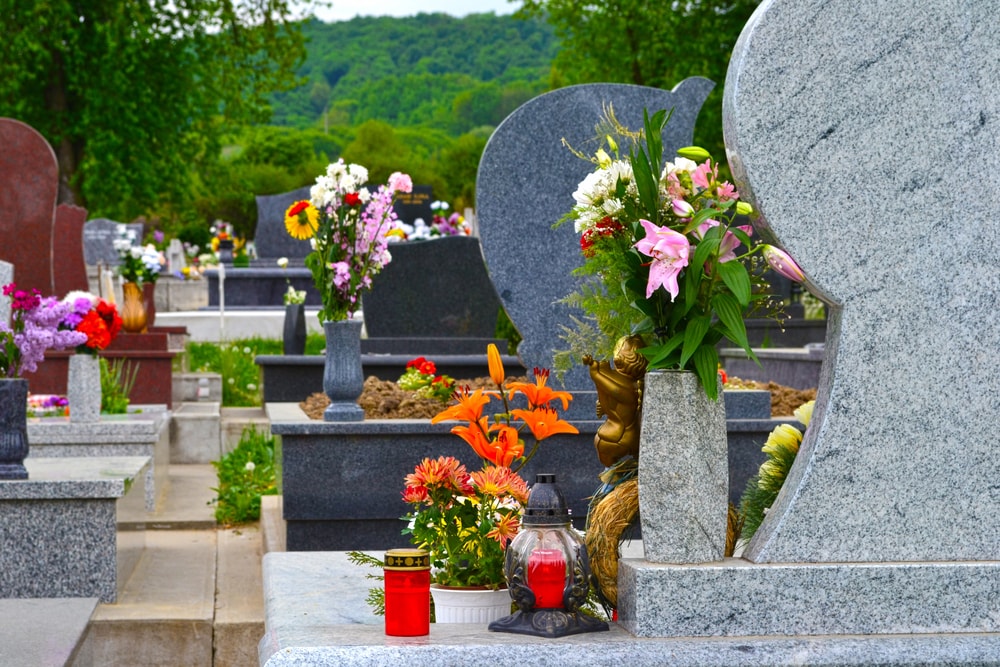
When I talk with buyers, I notice the same thing again and again. They understand the product. They do not always explain the meaning well. That matters. If I cannot answer why do people put flowers on graves in a clear way, the page may get traffic but lose trust. It may show flowers, but it may not show purpose. That is why I treat this topic as more than a cultural question. I see it as a buyer education question, a product positioning question, and a conversion question. It also connects closely with my older articles on What Is Faux Flowers? and Why Do We Put Fake Flowers in Graveyards?, because memorial flower buying is never only about looks. It is about meaning, fit, and long-term use.
Why Do People Put Flowers on Graves Across Different Traditions?
Many buyers assume this is one tradition with one meaning. That is too simple, and that mistake often leads to weak product planning.
If people ask why do people put flowers on graves across different traditions, the short answer is this: flowers show remembrance, prayer, honor, family connection, and care. The details change by culture, but the message stays deeply human.
I start with human behavior, not product type
When I think about why do people put flowers on graves, I do not begin with rose, lily, or carnation. I begin with behavior. People want to leave a visible sign. They want something gentle. They want something respectful. They want something that says, “I came. I remembered. I still care.” Flowers do that very well. They speak fast. They do not need long explanation. They fit grief, respect, love, and even quiet celebration of life.
In Christian memorial settings, flowers often point to peace, prayer, purity, and continued remembrance. In many East Asian grave visits, flowers may appear with cleaning, quiet care, and family rituals around seasonal remembrance. In many Latin remembrance settings, flowers can feel warm and alive, not only mournful. In the United States, the question of why do people put flowers on graves becomes even more visible around public remembrance periods such as Memorial Day, when families, institutions, and local communities all return to grave decoration in stronger numbers.
I never treat memorial buying as one emotional lane
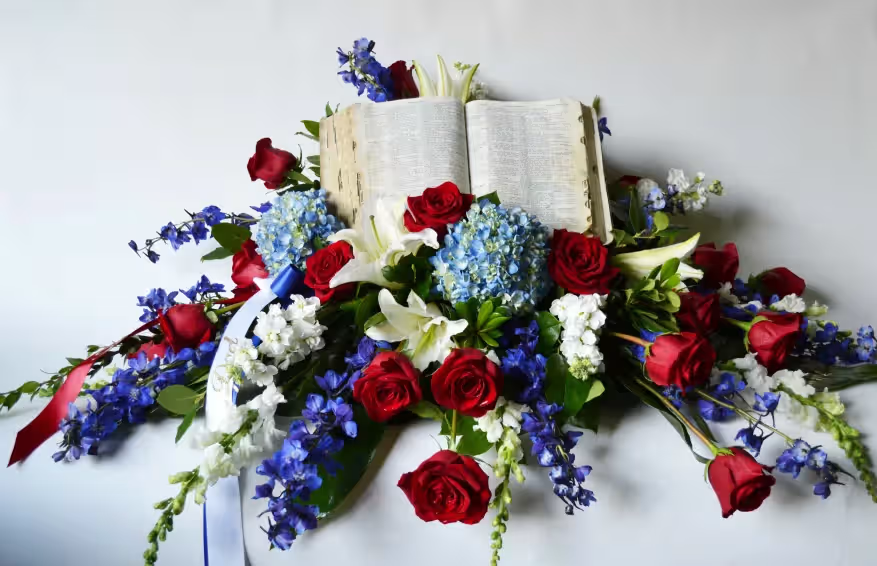
One buyer once asked me why her red-white-blue memorial designs moved faster than her soft white line. I told her the answer was not just color. It was context. She was not serving one type of emotion. She was serving different memory moments. Some buyers wanted private love and quiet grief. Some wanted patriotic remembrance. Some wanted something seasonal because they visited graves as part of a family habit every year. Once she understood that, her range made more sense. She stopped asking which color was “best” and started asking which occasion each color truly served.
That is why I always tell buyers this: if you want to understand why do people put flowers on graves, you need to understand who is placing the flowers, when they are visiting, what the grave means to them, and what feeling they want the arrangement to carry. A good memorial line starts there.
What Flowers Do People Commonly Choose for Graves and Memorials?
Many sellers list flower names. Fewer explain why those flowers keep showing up in memorial buying year after year.
People commonly choose roses, lilies, carnations, chrysanthemums, greenery-based mixed arrangements, and seasonal color stories for graves. Buyers choose them because they balance symbolism, visibility, respect, weather practicality, and familiar memorial meaning.
I look at message first, then structure
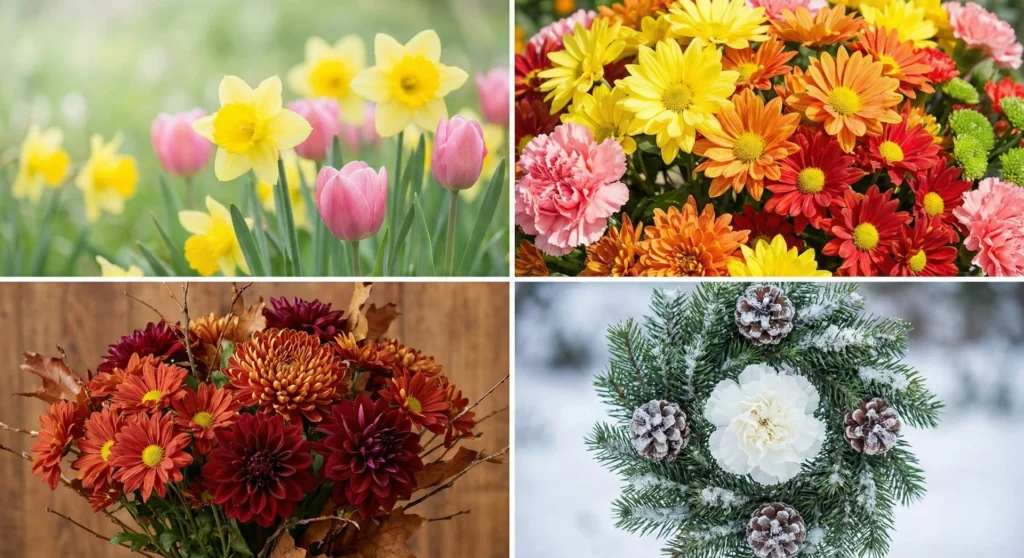
White lilies often feel peaceful and pure. Roses often feel personal and full of love. Carnations hold shape well and read clearly from a distance. Chrysanthemums matter because in many places they already carry strong memorial meaning. Greenery also matters more than many buyers think. Without balanced greenery, the arrangement can look hard, flat, or cheap. When I answer why do people put flowers on graves, I often end up talking about flower choice because the flower itself changes the emotional reading of the tribute.
I also care about how the product reads in outdoor light. Many grave arrangements are not seen from very close range. They may be viewed from several steps away, or in strong sun, or from a drive path. So I do not only ask what the flower symbolizes. I ask what the flower looks like after placement. Small petal details can disappear. Weak contrast can flatten the design. Bad leaf shape can drag down the whole arrangement.
I pay attention to what actually sells, not only what sounds symbolic
One memorial shop buyer once asked me whether lilies or roses sold better. I told her she was asking the wrong question. The issue was not one flower versus another. The issue was range structure. She needed at least three groups: classic peace designs, family-love designs, and seasonal remembrance designs. Once she grouped the products that way, her sales became easier to understand. One flower did not win. One use case did. That lesson matters for SEO too. If I want the article to rank for why do people put flowers on graves, I need to connect the keyword to real buying behavior, not just repeat a phrase without depth.
This is also why I link memorial flower language back to my article on Faux Flower Meaning. Buyers need the right words as much as they need the right flower heads.
Why Are Artificial Grave Flowers Still Used in Cemeteries?
Fresh flowers feel beautiful in theory. In real cemeteries, they often fade too fast, cost too much to keep replacing, and fail in harsh weather.
Artificial grave flowers are still used because they last longer, hold shape better, reduce maintenance, support repeat visits, and help graves look cared for between family visits. For many buyers, that makes them practical and emotionally effective at the same time.
I see artificial memorial flowers as a care solution
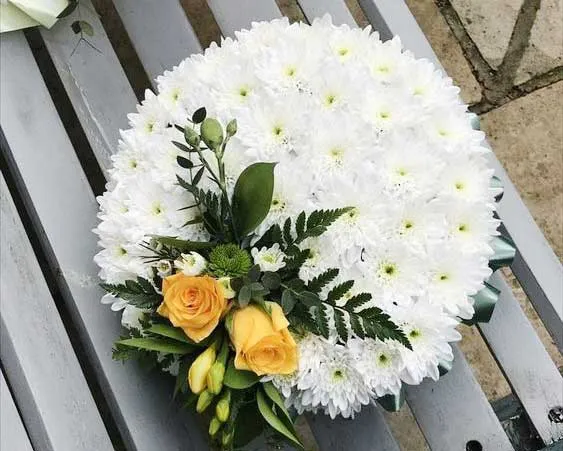
Some people still hear “artificial” and think cheap. I do not. I think about real conditions. Cemeteries deal with sun, wind, dust, rain, and long gaps between visits. Many families live far away. Some can only visit on major holidays. In that setting, the answer to why do people put flowers on graves becomes practical as well as emotional. They want the grave to still look remembered when they cannot be there every week.
That is why artificial grave flowers still matter. They help memory stay visible. They help cemetery sections look maintained. They help memorial retailers offer longer-life solutions. They can also lower replacement pressure. I wrote more about that in Why Do We Put Fake Flowers in Graveyards?, because the real issue is not fake versus real. The real issue is whether the product does the job the family needs it to do.
I think durability must still feel respectful
Long life is not enough by itself. If the arrangement looks too plastic, too glossy, or too bright, it loses trust fast. I care about softer color transitions, better greenery shape, stable structure, and proper saddle fit. I also care about maintenance after placement. A dusty piece can look forgotten even if it is still standing. That is why I also recommend my care article on How to Clean Silk Flowers Without Color Fade for buyers who want reusable memorial stock.
I still remember one cemetery-focused buyer who told me her fresh pieces looked beautiful on day one and weak only days later because the site was windy and open. Her team kept replacing product, but the section still looked uneven. When she moved part of the line to better artificial grave saddles and structured vase pieces, the visual standard became much more stable. That is when I told her: this is exactly why do people put flowers on graves and still choose artificial options too. They want care to remain visible, not disappear right after placement.
I always bring cemetery rules into the conversation
I never tell buyers to assume one cemetery rule fits all sites. Some sites are flexible. Some are strict about size, timing, and placement. So I always suggest reviewing a practical gravesite flowers guide and checking a real cemetery flower policy example before locking a memorial program. This saves time, reduces returns, and helps buyers avoid preventable complaints.
What Buyers Should Check Before Ordering Grave Flowers in Bulk?
Many memorial orders fail for a simple reason. The product looks fine in a photo, but the specification is too weak for the real outdoor job.
Before ordering grave flowers in bulk, buyers should check cemetery rules, mounting method, material quality, UV resistance, arrangement stability, color tone, sample accuracy, and packaging. Bulk buying works best when the outdoor use scene is tested before the order is locked.
I check policy fit before price
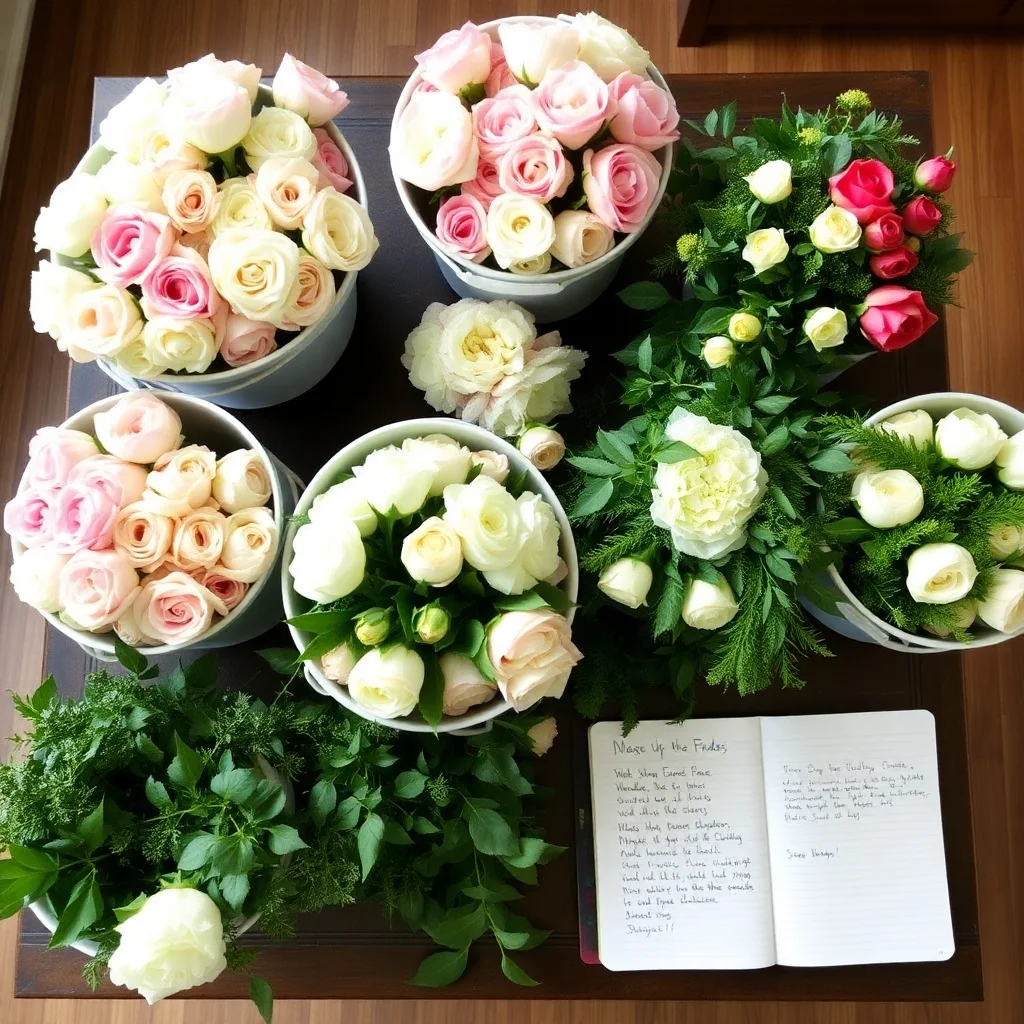
This is always my first step. If the cemetery limits size, timing, or placement type, even a beautiful arrangement can become the wrong product. So I ask simple questions first. Is the program based on saddles, vase inserts, flat sprays, or mixed styles? Does the cemetery clear worn flowers on a schedule? Are there seasonal color expectations? Is the weather harsh? When buyers ask why do people put flowers on graves, I often answer with culture first. When they ask how to buy in bulk, I answer with policy first.
I review the product like an outdoor-use item
For me, grave flowers are not basic craft goods. They are outdoor-use products. I check stem strength, saddle grip, head attachment, glue quality, color stability, and carton protection. I also check whether the product description uses “silk,” “faux,” or “artificial” in a clear way. That matters because buyers need clean language before they can ask clean sourcing questions. This is one reason I keep linking back to What Is Faux Flowers?.
I once saw a buyer approve a memorial arrangement from a very attractive sample photo. When the goods arrived, the main issue was not color. It was structure. The saddle wire was weak. The stem lock was loose. The greenery lifted badly in wind. On screen, the arrangement looked full and soft. On the stone, it looked unstable. That case stayed with me because it showed how easy it is to lose money when the sample is approved like a tabletop display instead of a cemetery-use product.
I always ask for proof that matches the real job
Before I approve bulk grave flowers, I want mounted photos, close-up photos, side-view photos, packing photos, material notes, and outdoor-use photos if possible. I also want the approved sample labeled clearly so repeat orders stay consistent. Memorial buyers lose margin when emotional buying runs ahead of technical checking.
For buyers who want a ready reference page, I often direct them to Cemetery Flowers Wholesale – Artificial Grave Saddles & Tombstone Flowers. Then I bring the conversation back to product fit, use case, and after-placement performance.
What Is My Advice for Cemetery, Memorial, and Seasonal Flower Programs?
Many suppliers sell memorial flowers as random SKUs. Stronger suppliers build memorial programs around moments, not just products.
My advice is simple: build memorial flower programs around real buying moments. Separate everyday remembrance, holiday remembrance, and premium family tribute lines. That makes the range easier to understand, easier to buy, and easier to repeat order.
I build three layers, not one mixed line
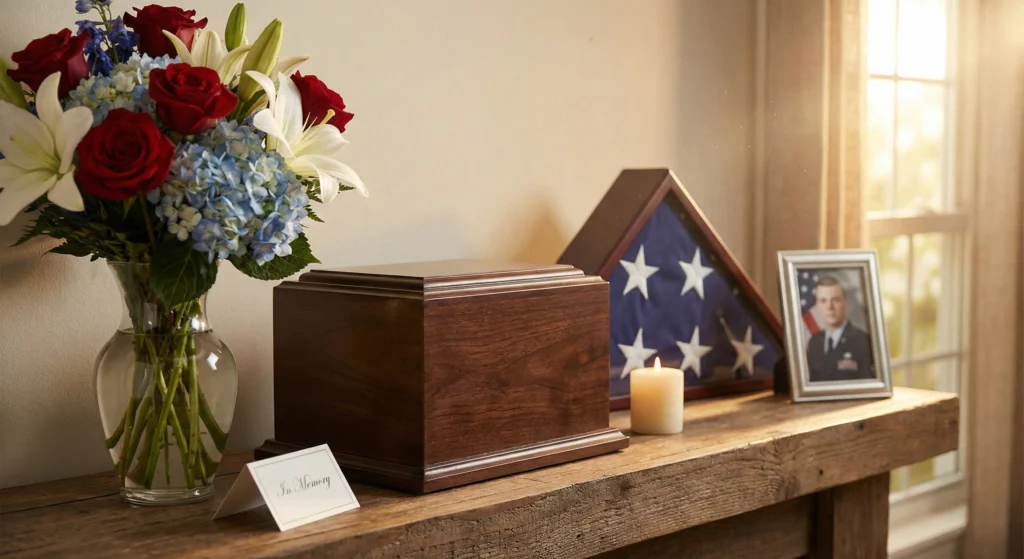
If I build a memorial program from the ground up, I use three layers. The first is everyday remembrance. These are calm and practical designs that work most of the year. The second is seasonal remembrance. These answer demand around spring visiting, Memorial Day, autumn remembrance, and holiday grave decorating. The third is premium tribute. These are fuller and more emotional designs for buyers who want a stronger statement. This structure helps buyers move faster. It also helps stock planning and margin planning.
I trust clearer ranges more than larger ranges
I once supported a buyer whose memorial line felt messy. There were too many similar tones, too many unclear size jumps, and no clean line between standard and premium. Families had options, but not clarity. I suggested she rebuild the range around emotion and occasion, not only around product photos. We grouped calm whites and greens together, moved patriotic color stories into a seasonal window, and created a separate premium line with fuller heads and stronger greenery depth. The range became easier to explain and easier to sell. That is the kind of structure that also helps content perform better when people search why do people put flowers on graves and then want a trustworthy supplier, not just a generic article.
I always think about the repeat order
This is where many suppliers stop too early. I think about what happens after placement. Will the arrangement still look clean after exposure? Can the buyer reorder matching colors? Can the sample be repeated? Can the page explain the difference between a saddle, a vase piece, and a low grave arrangement? Strong memorial programs are built with repeat-order logic. They are not built on one emotional rush and one fast shipment.
If I am planning a new cemetery flower line or refreshing an old one, I begin with the target market, the expected weather, the cemetery rules, and the real seasonal demand window. That helps me reduce mistakes before production starts.
Conclusion
Why do people put flowers on graves? Because flowers make memory visible. The best memorial programs respect that feeling and support it with durable, well-planned products.
FAQ
1. Why do people put flowers on graves?
People put flowers on graves to show memory, love, respect, faith, and continued care in a simple visible way.
2. Why do people put flowers on graves during holidays?
Many families visit during memorial holidays because those dates give structure to remembrance and family tradition.
3. Why do people put flowers on graves if they live far away?
Flowers help them leave visible care behind, especially when they cannot visit often.
4. What flowers are most common for graves?
Roses, lilies, carnations, chrysanthemums, and mixed greenery arrangements are among the most common choices.
5. Why are artificial grave flowers still popular?
They last longer, hold shape better, and help the grave stay presentable between visits.
6. Are artificial flowers allowed in every cemetery?
No. Rules vary by cemetery, so buyers should check local policies before ordering.
7. What should buyers check before ordering grave flowers in bulk?
They should review rules, mounting style, material quality, UV resistance, sample accuracy, and packaging.
8. Do flower colors matter in memorial programs?
Yes. White, red, pink, mixed seasonal tones, and patriotic colors all serve different memory moments.
9. What is the difference between a grave saddle and a vase insert?
A grave saddle sits on top of a headstone. A vase insert is made for a cemetery vase or ground holder.
10. Can memorial flower programs be customized?
Yes. I can customize flower type, color story, arrangement size, and structure for different seasons and buyer needs.