
How to Store Silk Flowers: A Complete Guide for Commercial Buyers
Poor storage can crush petals, fade colors, trap moisture, and turn valuable wholesale flower stock into products that buyers can no longer sell.
To store artificial flowers safely, clean and dry every item, sort products by material, support each flower head, use suitable containers, and keep inventory in a cool, dry, dark, and stable room.
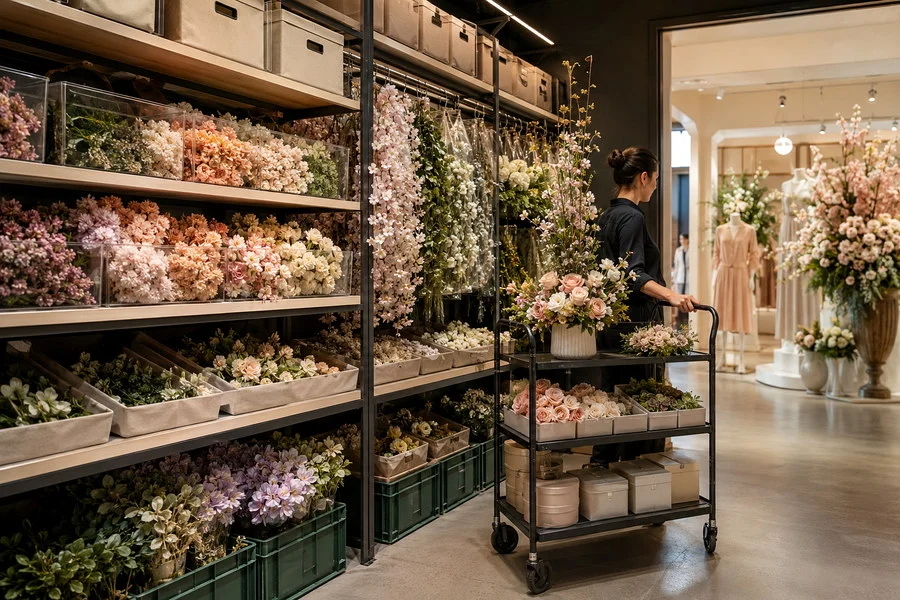
I have seen buyers lose a full season of profit because attractive flowers were stored under heavy cartons. I have also seen rental teams spend hours reshaping products before an event. These problems do not always start with poor product quality. They often start with poor storage decisions.
When I help a commercial buyer store artificial flowers, I look at the complete workflow. I check how products arrive, how often staff handle them, how long they remain in storage, and how quickly the next order must be prepared. A good system protects product quality. It also saves labor, reduces complaints, and improves inventory control.
Why Does Proper Storage Matter When You Store Artificial Flowers?
Wholesale flowers can look perfect at delivery and still become difficult to sell after months of pressure, dust, heat, light, or careless handling.
When commercial buyers store artificial flowers correctly, storage protects petal shape, color, surface finish, stems, glue points, labels, and packaging. It also reduces cleaning work, replacement costs, customer complaints, and delivery delays.
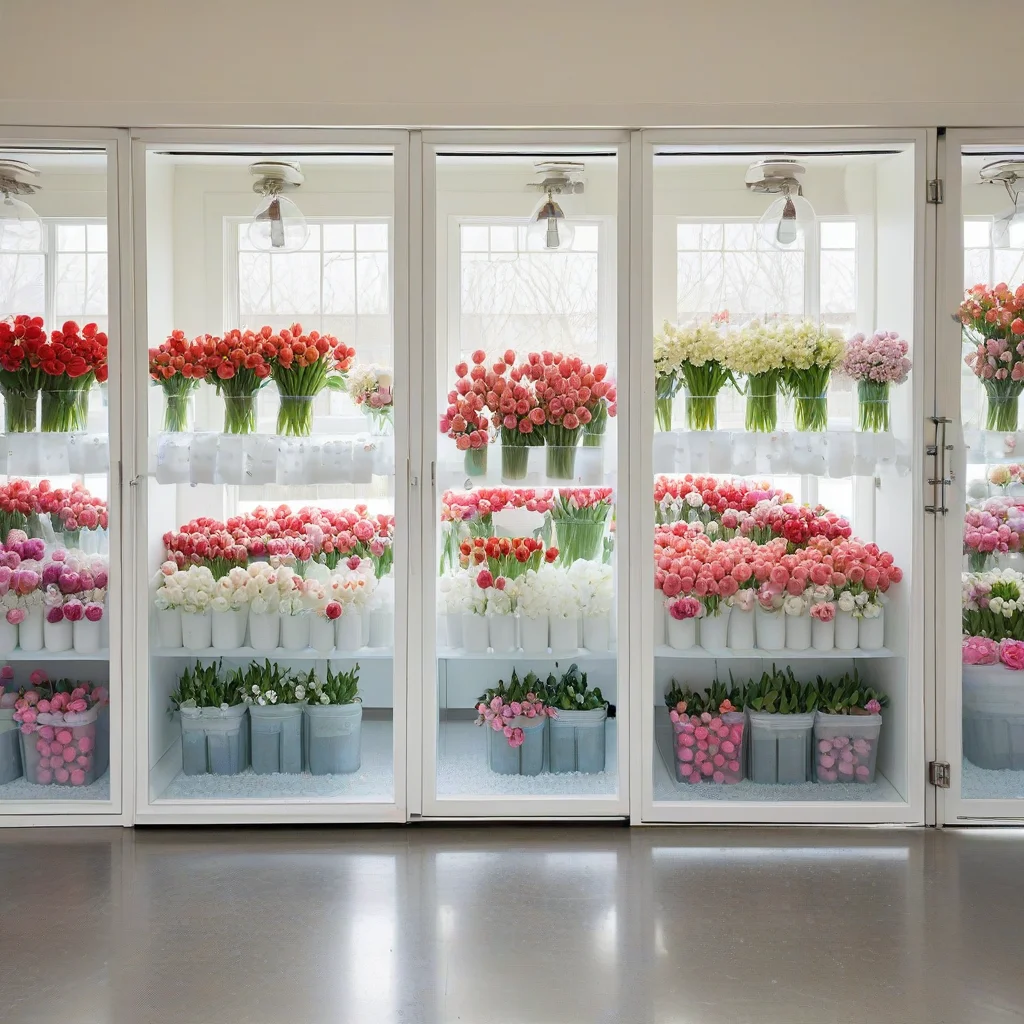
Storage Protects Shape, Color, and Commercial Value
When buyers ask me how to store artificial flowers, I first ask how the products will be used. A retailer may keep sealed cartons for six months. A wedding rental company may unpack and repack the same flowers every week. A hotel project supplier may keep large arrangements assembled between seasonal display changes. Each business has a different risk.
I once worked with a wedding décor buyer whose white silk roses developed flat edges. Her team had placed boxes of metal stands above the flower cartons. The roses were clean, but the flower heads had been under steady pressure. Her staff spent several hours reshaping the petals before the next wedding. The hidden cost was not only the damaged flower. It was labor, stress, and the risk of a late setup.
I always tell buyers to treat artificial flowers as three-dimensional products. The empty space around a flower head has commercial value because it protects the original shape. A carton that looks half empty may still be packed correctly. Overpacking can save a small amount of warehouse space, but it can create much higher repair and replacement costs.
A good system to store artificial flowers also protects consistency. When a buyer displays ten matching centerpieces, every piece should have the same height, fullness, and color. One crushed hydrangea head can make the complete set look uneven. This matters in wedding photos, hotel lobbies, retail windows, and online product listings.
Storage Protects Delivery Speed and Margin
A product is not truly ready stock if a team must clean, repair, reshape, and recount it before every shipment. When you store artificial flowers correctly, the stock can move from the shelf to final inspection with much less work.
I supported a commercial buyer who stored cream, ivory, and pure white flowers in the same unmarked area. Staff opened several cartons before finding the correct shade. On busy days, they selected the wrong color. We added photo labels, SKU codes, storage dates, and separate color zones. This simple visual system reduced picking errors and made order preparation faster.
- Separate inventory by product code, material, color, and collection.
- Keep fast-moving stock in easy picking locations.
- Use a photo label when color names are similar.
- Record damage before products return to storage.
- Keep one approved sample for shape and color comparison.
- Review slow-moving stock before ordering new quantities.
If your products return from events or displays, read my guide on how to clean artificial flower arrangements. Cleaning and storage should work as one process, not two separate tasks.
Step 1: How Should You Clean Products Before You Store Artificial Flowers?
Dust, event residue, fragrance, and hidden moisture become harder to remove after flowers remain inside a closed container for several months.
Before you store artificial flowers, clean each item with a method that suits its material. Inspect weak parts, separate damaged stock, and let every surface and base dry fully before packing.
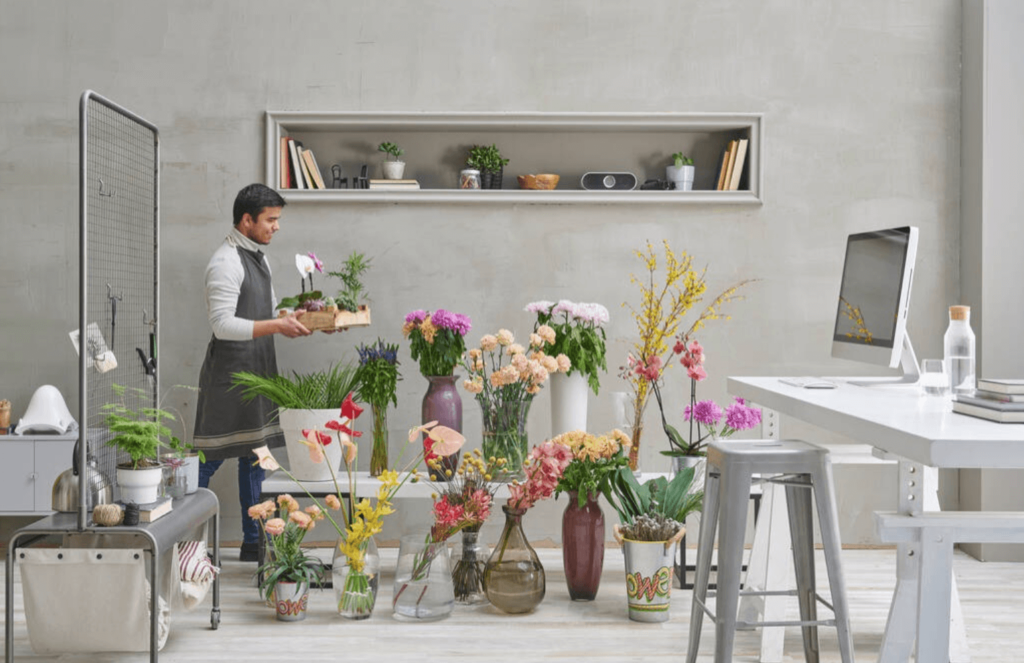
Start With a Dry Inspection
I always begin with a dry inspection. I hold the flower under clear light and check the front and back of each petal. I look at stem joints, glue points, leaf edges, wire ends, decorative beads, foam bases, ribbons, and printed tags. This takes less time than repairing a problem after it spreads through a complete carton.
A rental client once returned several arrangements after an outdoor event. The petals looked dry, but the foam bases were still damp underneath. Her team almost placed the arrangements inside sealed plastic bins. We opened the bases, increased airflow, and waited until the inner materials were fully dry. This simple check helped prevent odor and moisture problems.
I use a soft brush, a clean microfiber cloth, or low-pressure cool air for loose dust. I work from the flower center toward the outer edge. I do not scrub delicate fabric. I also avoid high heat because it can change polyester petal shape, soften glue, distort PE leaves, and affect some real-touch coatings.
For a complete cleaning process, see my detailed article on how to clean silk flowers. I always test any damp method on one hidden area. A product may contain several materials, so the safest cleaning method must match the most sensitive part.
Create Three Inspection Groups
Storage does not repair damage. It only hides damage until the next order, event, or display. Before I store artificial flowers, I place every returned or opened product into one of three groups.
- Ready to store: Clean, dry, complete, and correctly shaped.
- Needs repair: Loose petals, bent stems, weak glue points, missing leaves, or damaged packaging.
- Needs replacement: Permanent stains, severe fading, broken structures, sticky surfaces, or strong odors.
One home décor distributor mixed customer returns with new inventory. Some returned stems carried fragrance oil from retail displays. The smell moved into nearby clean flowers. We created a separate return-inspection area. No returned item could re-enter clean stock until it passed cleaning, drying, and odor checks.
This step matters most when teams store artificial flowers in white, cream, blush, and pale blue colors. Light colors show dust and contact marks faster. I also separate flowers used near candles, food displays, outdoor events, and scented products because they may carry different residues.
Dry the Complete Product, Not Only the Petals
When you store artificial flowers after cleaning, drying is the final control point. A petal may feel dry while the bouquet wrap, foam block, moss layer, ribbon, or dense flower center still holds moisture.
I place cleaned products in a shaded and ventilated area. I separate flower heads and turn large arrangements so air reaches the base. I do not place wet products in direct sunlight to speed up drying because strong light and heat can affect color and shape. I also avoid pointing a strong fan directly at delicate petals.
A practical record helps teams store artificial flowers consistently and can include the product code, cleaning date, method, repair status, staff name, and storage location. This record is useful for wedding rental companies, hotel décor suppliers, and multi-location retailers. It gives every employee the same standard and makes responsibility clear.
Step 2: Which Containers Help You Store Artificial Flowers Safely?
The wrong container can trap humidity, transfer odor, bend stems, crush flower heads, and make inventory difficult to count or identify.
When you store artificial flowers in bulk, choose clean containers that match the product shape, support stems and bases, block dust, and allow easy inspection without pressing delicate surfaces.
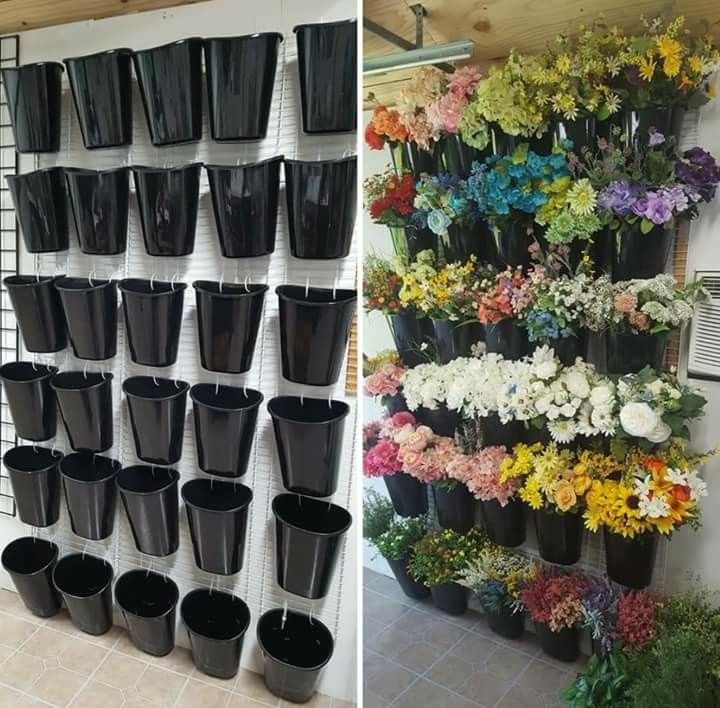
Match the Container to the Product Shape
When buyers store artificial flowers, I do not believe one box can protect every design. Long sprays need a different system from loose flower heads. Finished centerpieces need vertical space. Flexible greenery may fit wide bins. Real-touch blooms need space around each petal. Artificial trees need upright support and a loose dust cover.
A wholesale buyer once packed tall hydrangea stems into shallow bins because the bins were easy to stack. The flower heads only fitted after staff pushed them sideways. When the stock was opened, the hydrangeas had lost their round shape. We changed to deeper containers with simple dividers. The buyer used more shelf height, but she saved hours of reshaping work.
Rigid plastic bins help teams store artificial flowers for high-rotation sales because they resist pressure and are easy to label. Strong cardboard cartons work for clean, dry, and supported inventory. Original export cartons can also work when the internal supports remain in good condition. Large fabric covers can protect oversized arrangements from dust, but the cover must not pull against flower heads.
For delicate silk-style petals, clean acid-free tissue can reduce abrasion and color transfer. The Smithsonian explains that acid-free boxes and tissue can help protect sensitive textiles from dirt, abrasion, light, and environmental change.[3] Artificial flowers are not museum textiles, but the same protective logic is useful for premium fabric petals.
Support Products Without Squeezing Them
To store artificial flowers safely, a container must stop unwanted movement without creating constant pressure. I support the strongest part first. For a bouquet, I support the handle or stem bundle. For a centerpiece, I support the base. For a long spray, I support the stem at several points. I leave the flower heads free.
To store artificial flowers with less movement, you can use clean tissue rolls, cardboard dividers, polyethylene foam, soft fabric supports, or shaped inserts. The support material should be clean, dry, odor-free, and stable. It should not shed color or stick to coated surfaces.
- Long-stem flowers: Use tall cartons, horizontal racks, or wide bins with several stem supports.
- Loose flower heads: Use shallow divided boxes with soft liners.
- Finished bouquets: Use upright holders or deep bins with support around the handle.
- Large centerpieces: Use stable shelves and individual dust covers.
- Garlands: Store them in wide loops on padded hooks or inside large flat bins.
- Artificial trees: Use upright racks, branch ties, and labeled loose covers.
I do not use thin plastic bags as the only protection for delicate flowers. A bag can cling to petals, trap moisture, and transfer marks. If I use a bag as a dust cover, I keep it loose and make sure the product is fully dry before covering it.
Plan Storage Before You Approve Packaging
One event buyer needed to store artificial flowers in less warehouse space for a seasonal program. Her first idea was to use smaller cartons. That would have pressed the blooms. Instead, we changed the product design and used removable sections with clear assembly labels. The finished display stayed full, but the storage volume became easier to manage.
This is why I discuss packaging before mass production. A strong supplier should ask about shelf height, carton handling, event turnover, shipping method, and repacking. For more supplier-selection points, read my artificial flowers supplier checklist.
The smallest carton is not always the lowest-cost carton. Buyers should compare storage volume with reshaping labor, damage risk, return rates, and reuse cycles. A slightly larger carton may deliver a better total cost when you store artificial flowers for repeated commercial use.
Step 3: What Conditions Help You Store Artificial Flowers Long Term?
Heat, moisture, direct light, and fast climate changes can weaken glue, fade colors, create odor, and change the feel of coated petals.
Store artificial flowers in a shaded and stable room. Keep the area dry, monitor humidity, avoid temperature extremes, and protect every carton from leaks and condensation.

Keep the Storage Environment Stable
Artificial flowers do not need museum-level conditions, but they do need stability. The Smithsonian recommends textile storage that is clean, cool, dry, dark, and protected from major changes in temperature and humidity.[2] I use the same basic principle for commercial flower inventory.
When I store artificial flowers indoors, I often use 18°C to 24°C as a practical internal operating range for many storage rooms. This is not a universal material specification. Local climate, flower material, glue systems, packaging, and building conditions still matter. The main goal is to avoid hot roofs, heaters, freezing zones, wet floors, direct air vents, and large daily swings.
A client in a humid coastal area stored cartons against an outside wall. Air conditioning ran during working hours, but the room became warm and damp at night. The cartons absorbed moisture and several arrangements developed an unpleasant smell. We moved the stock away from the wall, improved airflow, added humidity meters, and checked readings after business hours.
To store artificial flowers through seasonal changes, one reading does not show the full risk. I recommend measuring the room in the morning, afternoon, and evening for at least one week. Place one meter near the entrance and another near the most sensitive stock. Check again during wet seasons, hot periods, storms, and long holiday closures.
Control Relative Humidity and Condensation
The U.S. Environmental Protection Agency advises keeping indoor relative humidity below 60%, with 30% to 50% as an ideal range for moisture control.[1] For many commercial storage rooms, I use 40% to 50% as a practical target when the building can maintain it without large changes.
High humidity is not the only warning sign. Condensation on walls, pipes, windows, metal racks, or plastic lids means moisture is moving through the room. A container can be dry when it is closed and still collect moisture later if the temperature drops quickly.
When I store artificial flowers, I keep cartons above floor level on shelves or clean pallets. I leave space between shelves and outside walls. I inspect pipes and ceilings. I also avoid placing delicate stock below air-conditioning units because leaks and cold-air condensation can damage several cartons at once.
- Record temperature and humidity on a regular schedule.
- Inspect walls, pipes, ceilings, windows, and floors for moisture.
- Keep cartons away from exterior walls when condensation is possible.
- Use a dehumidifier when humidity remains high.
- Keep inventory above the floor.
- Inspect stock after storms, leaks, power failures, or HVAC problems.
Protect Flowers From Light, Odor, and Chemicals
When teams store artificial flowers near windows, direct sunlight can fade fabric and plastic colors. UV-treated products still need protection during storage. UV resistance supports outdoor performance, but it does not mean unlimited light exposure without color change.
To store artificial flowers for long periods, I use opaque cartons, window blinds, closed shelves, or separate dark zones. I do not store flowers beside paint, perfume, cleaning chemicals, scented candles, food, fuel, or strong packaging inks. Fabric petals and foam parts can hold odors, and some real-touch surfaces can react to solvents or oils.
A hotel project buyer once planned to keep replacement arrangements beside a laundry room. The room looked clean, but heat and humidity changed during the day. I asked the buyer to check the location before delivery. The stock moved to a dry interior room. That decision protected the project before the first seasonal change.
For outdoor products that will return to storage, read my guide to the best fake plants for outdoors and UV protection. Outdoor exposure and indoor storage need different controls.
How Should You Store Artificial Flowers by Material?
Silk-style, plastic, and real-touch flowers may look similar, but they react differently to pressure, heat, cleaners, packaging, and long contact with other materials.
Store artificial flowers with a method that matches the material. Use soft support for silk-style blooms, shape control for plastic products, and extra space with low pressure for real-touch flowers.
How I Store Silk-Style Fabric Flowers
To store artificial flowers made from fabric correctly, buyers should know that most commercial “silk flowers” use polyester or another fabric blend rather than natural silk. Their main risks are dust, creasing, frayed edges, color transfer, water marks, and crushed flower heads.
One buyer stored white fabric peonies beside dark artificial leaves. The products were clean, but long contact left faint marks on several petals. We added separate wrapping for light colors and stopped placing dark leaves directly against pale flowers.
When I store artificial flowers with fabric petals, I use clean tissue or soft liners. I avoid sharp carton edges and do not fold petals to reduce volume. I keep heavy stems and metal accessories away from the blooms. I also inspect loose threads and weak heat-cut edges before packing.
- Separate very light colors from dark leaves and printed packaging.
- Support full flower heads from below without flattening petals.
- Keep fabric petals away from rough cardboard surfaces.
- Avoid tight folds, hard clips, and elastic bands around blooms.
- Use dry cleaning first and test any damp method.
If you need a wet-cleaning method, see my guide on how to wash artificial flowers without color fade.
How I Store Plastic Flowers and Greenery
To store artificial flowers made from PE, PVC, and other plastics, remember that these products are often more resistant to light pressure. They can still bend, crease, scratch, collect dust, and change shape in heat. Glossy leaves may also show pressure marks when they are packed face-to-face.
A retailer once stored plastic eucalyptus beside scented candles. The leaves later carried a strong fragrance. The products were not broken, but the odor did not match the retailer’s listing. The retailer moved all artificial greenery away from scented products and cleaning supplies.
I use rigid bins or supported original cartons for plastic flowers. I keep long stems straight or in wide curves. I avoid hot areas because heat can soften thin leaves and change stem angles. I also keep sharp wire ends from touching nearby products.
Plastic greenery can often be stored more densely than premium real-touch blooms, but I still protect key visual surfaces. Large leaves should not carry the weight of products above them. For mixed greenery bundles, I place stems in one direction so leaves do not lock together and tear during removal.
How I Store Real-Touch Flowers
To store artificial flowers with real-touch surfaces, first note that these products may use PU coatings, soft foam, latex-like finishes, or mixed materials. They feel realistic, but the surface can be sensitive to heat, pressure, oil, alcohol, fragrance, and contact with some plastics.
A commercial buyer once wrapped real-touch calla lilies tightly in thin plastic film. The petals developed pressure lines and a slightly sticky feel after storage. We changed the system to loose tissue support and more space around each bloom.
When I store artificial flowers with real-touch surfaces, I avoid tight wrapping. I stop flower heads from pressing against each other. I use a cool and stable room. I test tissue, foam, and plastic liners before long contact. I keep the products away from oils, solvents, strong fragrance, and untested sprays.
- Do not tightly wrap real-touch petals in cling film.
- Do not stack heavy products over coated blooms.
- Do not use strong alcohol, oil, or solvent without testing.
- Do not use high heat or heavy steam to restore shape.
- Inspect the surface during long storage periods.
Mixed arrangements need the safest rule of every included material. If a centerpiece contains fabric petals, coated leaves, ribbons, glue, foam, wire, and moss, I treat the complete item as delicate. I choose the gentlest method required by the most sensitive part.
How Can Teams Label and Rotate Stock When They Store Artificial Flowers?
A clean storage room can still lose money when staff cannot find products, identify colors, track damage, or rotate seasonal stock at the right time.
When teams store artificial flowers, simple location codes, photo labels, condition records, first-in-first-out rules, and scheduled inspections keep commercial inventory ready for sale.
Use Location Codes That Staff Understand
When teams store artificial flowers across many SKUs, I prefer simple codes that show the zone, rack, shelf, and container. A code such as B-03-02-05 can mean Zone B, Rack 3, Shelf 2, Container 5. The same code should appear on the carton and in the inventory file.
A buyer once used product names only. New staff could not tell the difference between “soft ivory rose,” “warm ivory rose,” and “cream garden rose.” We added product photos, SKU codes, and color chips to the outside labels. Picking became faster and color errors dropped.
A useful container label should include the product name, SKU, color reference, material, quantity, storage date, last inspection date, condition status, and rack location. For high-value products, I also add a QR code linked to packing photos or assembly instructions.
Separate Saleable, Repair, and Sample Stock
When I store artificial flowers, I do not mix saleable stock with repair stock. One damaged item inside a carton creates confusion during picking. It can also lead staff to ship a product that should have been repaired.
I use clear status areas for available, reserved, inspection, repair, sample, and retired products. A wedding rental client adopted this system after staff accidentally sent a centerpiece with a loose base. The new zones made the condition visible before packing.
When teams store artificial flowers for sales presentations, samples also need control. A display sample may be handled many times by sales staff and customers, so it may no longer represent new stock. I keep one protected master sample and use a separate handling sample for daily presentations.
Set an Inspection Schedule Based on Risk
Teams that store artificial flowers do not need the same inspection frequency for every item. I inspect high-value, pale-colored, real-touch, and high-rotation items more often. I inspect low-rotation sealed stock before peak seasons and before a new marketing campaign.
A practical schedule can include weekly checks for rental returns, monthly checks for high-value inventory, quarterly checks for seasonal stock, and a full annual review for replacement planning. I also inspect immediately after a leak, storm, HVAC failure, pest issue, or warehouse move.
When you store artificial flowers with a clear audit routine, purchasing decisions improve. You can see which styles move, which products need frequent repair, and which packaging creates repeat damage. This information helps you improve the next order instead of repeating the same problem.
My Insights: What Is the Best SOP to Store Artificial Flowers?
A storage room can look organized and still waste money if it does not support product design, staff training, quality checks, fast picking, and safe repacking.
I believe the best way to store artificial flowers connects purchasing, packaging, cleaning, storage, repair, inventory rotation, and shipping. Every step should protect quality and reduce repeated work.
Plan Storage Before You Place an Order
My main insight is simple. When buyers store artificial flowers, storage planning starts during product selection. Before I confirm a bulk order, I ask about carton size, inner support, removable parts, storage height, handling frequency, and repacking steps.
A buyer once selected very full floral arches because the display looked impressive. The arches worked well at events, but her team had no room to store complete sections. On the next order, we used modular flower units with clear position labels. The finished arch still looked full, but storage and transport became easier.
- How many times will the product be reused?
- Will it return after every event or display?
- How much shelf height and floor space are available?
- Does the product need to remain assembled?
- Which styles and colors move fastest?
- Can sections be removed without damaging the design?
- How much reshaping time can the team accept?
- How will products move from storage to shipping?
These answers help me recommend product structures and packaging that fit the buyer’s real operation. A beautiful product is not enough. It must also be practical to receive, store, reuse, and ship.
Use One Written Storage Process
To store artificial flowers in bulk, a team needs one written standard. The standard does not need complex software. It needs clear ownership and repeatable steps.
- Receive and inspect every carton.
- Photograph the accepted product condition.
- Add the product code and location label.
- Separate new stock from returns.
- Clean and dry returned products.
- Repair or isolate damaged pieces.
- Pack products by material, shape, and condition.
- Record the storage date and location.
- Inspect high-risk stock on schedule.
- Rotate older inventory before newer stock.
- Review replacement needs before peak season.
- Record repeat damage and improve the next purchase.
One of my most useful service habits is asking buyers for warehouse photos before I recommend packaging. A simple photo shows shelf height, aisle width, carton direction, lifting limits, and product mix. It often gives me more useful information than a long message.
I also recommend keeping one approved master sample outside normal picking stock. A team can use it to check color, petal shape, fullness, stem angle, and packing method. When new staff join, the sample gives them a clear standard.
Measure Total Cost, Not Only Carton Size
Buyers who store artificial flowers often want the smallest carton because they want lower shipping and storage costs. I understand that goal. I also compare it with crushing risk, reshaping labor, return rates, and product life.
A smaller carton can reduce volume, but it may increase labor every time the product is used. A stronger support insert may cost more during production, but it can save work during each rental cycle. A modular design may have more parts, but it can reduce warehouse space and last longer because each part receives less pressure.
Good storage does not make a weak product strong. It protects a well-made product so it can deliver full commercial value. If you plan to install stored products into containers, read my guide on how to plant artificial flowers in pots.
Need a Storage-Friendly Wholesale Flower Program?
I can help you select products, plan protective packaging, reduce storage pressure, and build reusable sets for retail, wedding, hotel, and event projects.
Conclusion: How Should Commercial Buyers Store Artificial Flowers?
Clean, dry, support, label, and protect each item from pressure, heat, moisture, light, and odor. A clear system keeps commercial inventory ready to sell.
Frequently Asked Questions About How to Store Artificial Flowers
These questions cover the main storage decisions that wholesale buyers, rental teams, retailers, and project suppliers face.
1. What Is the Best Way to Store Artificial Flowers in Bulk?
Clean and dry the products first. Sort them by material, SKU, color, and condition. Use supported containers and keep them in a cool, dry, dark, and stable room.
2. Can Silk Flowers Be Stored in Plastic Bags?
A loose bag can work as a dust cover for fully dry flowers. It should not press the petals or trap moisture. Rigid containers provide better crush protection.
3. What Humidity Level Is Suitable for Artificial Flower Storage?
Keep relative humidity below 60%. A stable range near 40% to 50% is practical for many commercial indoor storage rooms.
4. How Do I Stop Artificial Flower Petals From Becoming Flat?
Leave space around each flower head. Use soft supports or dividers. Never place heavy cartons above delicate blooms. Store finished bouquets upright when possible.
5. Should I Clean Products Before I Store Artificial Flowers?
Yes. Dust, stains, fragrance, and event residue become harder to remove later. Every part must also be fully dry before it enters a closed container.
6. Can I Use the Original Export Carton?
Yes, when the carton is clean, dry, strong, and fitted with suitable internal supports. Replace damaged cartons and inspect products during long storage periods.
7. How Often Should Commercial Inventory Be Inspected?
Inspect high-value and high-rotation stock monthly. Check seasonal inventory before and after each selling period. Inspect all stock after leaks, storms, or climate-control failures.
8. Should Different Flower Materials Be Stored Together?
It is safer to separate silk-style, plastic, and real-touch flowers. Each material has different pressure, heat, surface, odor, and cleaning risks.
9. How Should Wedding Rental Companies Store Completed Arrangements?
Use stable shelves, supported bases, individual dust covers, and clear location labels. Keep a separate return area for cleaning and inspection before products re-enter clean storage.
10. Can a Supplier Customize Packaging for Easier Storage?
Yes. Botanic Blossoms can discuss modular sections, stronger cartons, inner supports, photo labels, and packing layouts based on your warehouse and transport needs.
About Jasmine
Jasmine is the Founder and CEO of Botanic Blossoms. I have more than a decade of experience in artificial flowers, greenery, commercial décor, customization, export packaging, and international B2B service. I help wedding companies, retailers, hotels, event businesses, and distributors choose products that balance realism, durability, logistics, and long-term value.
Business inquiries: jasmine@cnhycrafts.com
Footnotes
- U.S. Environmental Protection Agency, “A Brief Guide to Mold, Moisture and Your Home.” The EPA advises keeping indoor relative humidity below 60%, ideally between 30% and 50%. View the EPA guidance. ↩
- Smithsonian Institution, “How Do I Store Antique Textiles at Home?” The guidance recommends a clean, cool, dry, and dark area with limited changes in temperature and humidity. View the Smithsonian guidance. ↩
- Smithsonian Museum Conservation Institute, “Climate and Textiles Storage.” The resource discusses acid-free boxes and tissue as protection from dirt, abrasion, light, and environmental changes. View the conservation guidance. ↩