
How to Protect Fake Plants Outside from Fading — 11 Proven Sun-Proof Tricks?
Exposed terraces can turn beautiful faux plants into faded plastic in one season. U lose color, guests complain, and budgets suffer. U need simple, repeatable protection rules.
The short answer to how to protect fake plants outside is to start with UV-stable materials, add tested sprays, shade, and covers, then follow a simple maintenance schedule so every outdoor display keeps its color and strength for years.
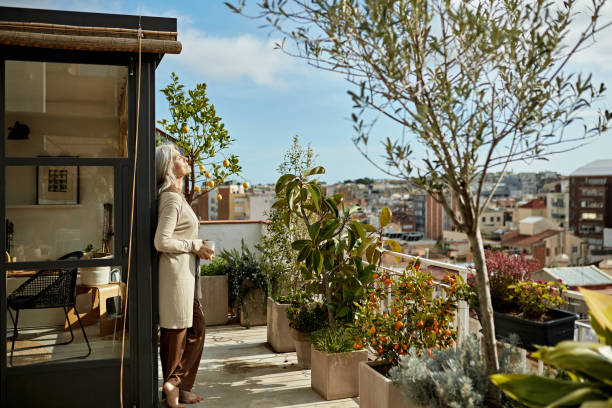
Use in: overview visual for hotel, mall, and event teams who manage outdoor faux plants in courtyards, rooftops, and entrances.
In this guide, I speak as a manufacturer and project partner, not only as a seller. U will see field stories from hotels, malls, and event companies that fought sun damage and then fixed it with clear rules. U can share these sections directly with your engineering, housekeeping, and buying teams as a playbook on how to protect fake plants outside in real sites where sun, wind, and cleaners are not theory but daily facts.
What Really Makes Outdoor Fake Plants Fade and Crack?
When I walk a site with a client and see grey, chalky leaves, I know the real problem is not only the sun but weak materials behind the pretty shapes, and I see how many teams still do not know how to protect fake plants outside in a durable way.
Most outdoor fake plants fail because the base resin and pigments cannot handle UV, heat, moisture, and cleaners. Once the surface opens, color washes out, leaves crack, and every photo on social media turns into bad advertising for your brand.
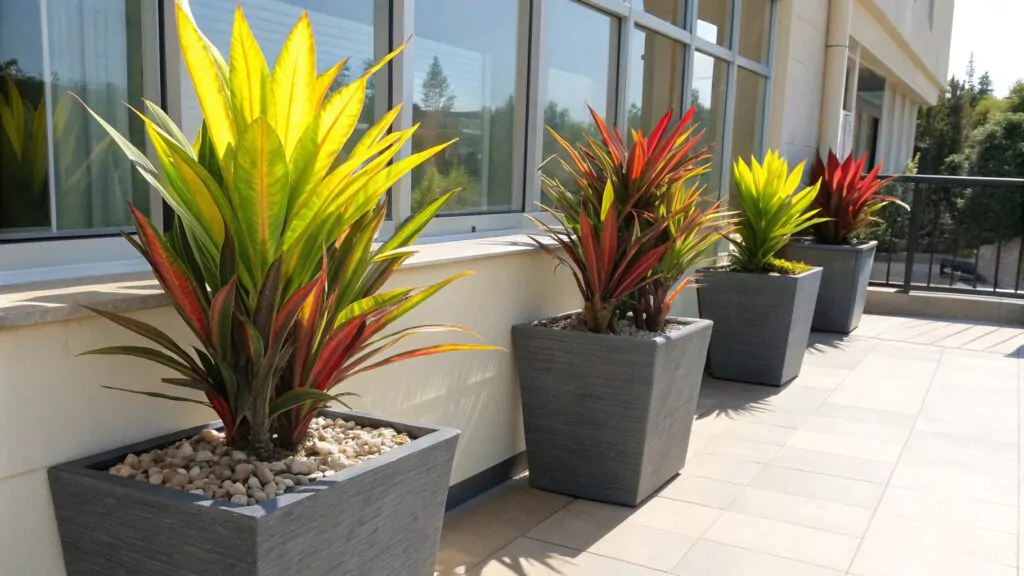
Use in: explaining fade and crack risks to project owners during kick-off meetings.
UV light, cheap pigments, and no stabilizers
Sunlight breaks plastic chains and attacks color. Standard plastics without UV stabilizers slowly lose color and strength when they sit in strong sun. Reds, purples, and deep blues usually fail first, while mid greens hold longer but still shift if there is no protection.
When I explain how to protect fake plants outside to a new buyer, I always start with chemistry. Good outdoor leaves use resins with UV stabilizers inside the material, plus pigments that can handle long exposure. UV test standards such as ASTM G154 simulate this exposure with UV light, heat, and moisture so U can see how fast a material fails before U approve a project.
If your spec sheet does not mention UV stabilizers, test hours, or ΔE color change, U are probably buying indoor-grade plastic for an outdoor job. That is the fastest way to see plants fade in one hot season, even if the first photos look nice. This chemistry is the base of how to protect fake plants outside for more than one season.
Heat, movement, and micro-cracks
UV is not the only enemy. Heat makes plastic expand and contract every day. Wind bends stems again and again. Over time, this movement opens micro-cracks on the surface. Once those cracks show, dust, water, and cleaners enter and speed up the damage.
Accelerated weathering tests combine UV, moisture, and temperature shifts to copy this cycle in a lab. When U choose plants that passed reasonable hours in these tests, U reduce the risk that your terrace palms will go brittle in year one.
In my own projects, I avoid very thin, glassy leaves for high-sun, high-wind zones. I prefer slightly thicker, matte leaves with more fiber in the mix. They move less, crack less, and keep color more stable. This small design choice supports how to protect fake plants outside when U spread it across dozens of planters.
Pollution, sea air, and harsh cleaners
Outdoor fake plants also sit in dust, smog, salt, and even pool chemicals. Salt air near the sea and strong cleaners around pools attack both plastic and any exposed metal parts.
I see this most clearly in coastal projects. If teams use bleach or strong solvent cleaners, they strip the surface and speed fading. When U want to master how to protect fake plants outside, U must control cleaning rules as much as purchase specs. pH-neutral cleaners, soft cloths, and gentle rinsing protect both color and structure, and they keep UV-protected materials working as designed.
Client story: rooftop bar that lost color in one season
A rooftop bar in a hot, dusty city asked me why their faux olive trees turned grey in under twelve months. Their old supplier never mentioned UV data. The trees used indoor-grade plastic and no stabilizers. Staff also pressure-washed the crowns every week.
We replaced those trees with UV-stable PE leaves, tested to hundreds of hours of UV exposure, and set clear cleaning rules: light rinse and pH-neutral wipe only. Two years later, their photos still match the original mood board, and review photos from guests show the same fresh green. That is the real value behind learning how to protect fake plants outside: U lock color, shape, and guest trust for more than one season instead of chasing constant replacement.
If U want a deeper definition and material checklist, U can share my article on Artificial Plants Definition with your internal teams before the next tender. It gives your engineers, buyers, and installers one clear language.
Which Protection Tricks Do Professional Installers Use?
Every week I talk with professional installers who manage hotels, malls, and big events. They cannot afford ugly fade or broken leaves, because one failed install can cost them the whole account.
The most reliable installers treat how to protect fake plants outside as a system. They combine material choice, anchor design, shade, and maintenance into simple rules that crews can follow on any site, even when staff change or rush jobs happen.
Use in: training slides for installers and procurement teams when setting standard methods.
Start with UV-stable builds, not spray alone
Top installers never rely on spray only. They start with UV-stable resins and pigments, plus stabilizers inside the plastic. A good build includes:
- UV-stabilized PE or PU leaves
- Matte or low-gloss surface to hide tiny scuffs
- Thicker, reinforced stems at high-stress points
- Metals that resist rust in outdoor conditions
Once that base is strong, they add UV spray as a top helper, not as the main shield. When U set up how to protect fake plants outside across many properties, this “base first, booster second” rule keeps U away from quick fixes that do not last.
11 sun-proof tricks I keep seeing on serious sites
Here are 11 practical tricks I see again and again when I audit successful outdoor projects and help clients plan how to protect fake plants outside:
- Ask for in-resin UV stabilizers and written test hours.
- Choose matte finishes instead of shiny plastic.
- Use mid-tone greens outside; keep risky reds for shaded zones.
- Place tall, light pieces in lower-wind, semi-shaded spots.
- Combine UV spray with the right distance and thin coats.
- Add shade from pergolas, awnings, or trees where U can.
- Use covers when areas close, especially rooftops and pools.
- Rotate high-sun and low-sun zones once or twice a year.
- Log exposure class (mild, strong, extreme) for every site.
- Build heavier bases and anchors to stop wobble and micro-cracks.
- Keep a small stock of spare tops or clusters for quick swaps.
Many of these tricks link to other topics we already covered in depth, like how to secure outdoor artificial flowers and what to put in a fake plant pot. U can reuse those guides when U train crews and vendors.
Client story: waterfront hotel that cut re-order costs
A waterfront hotel group in the Middle East used to replace their outdoor faux plants every twelve to eighteen months. Their complaint was always the same: “Sun and salt killed the leaves.” When I inspected the site, I saw weak bases, no covers, no logs, and no UV data on any PO.
We rebuilt the plan around eleven tricks like the list above. We used UV-protected plants, anchors sized for local wind, and covers for off hours. We also tagged every zone with an exposure class and a basic maintenance schedule.
Three years later, they still replace only a small percentage of parts each season. Their maintenance cost dropped, and guest photos still show rich greens on their terraces. For them, learning how to protect fake plants outside was not “nice to have”; it became a direct profit lever that protected ADR, F&B spend, and event bookings.
For more examples on anchors and bases, U can share our Fake Flower Planter 2025 guide with your operations team. It shows how ballast, liners, and stems work together.
How Do U Combine UV Sprays, Shade and Covers Smartly?
Many buyers ask me if one “magic” UV spray will solve every outdoor problem in how to protect fake plants outside. I always tell them that spray alone cannot fix bad materials, but spray plus shade and covers can stretch the life of a good build.
To control how to protect fake plants outside, U use UV spray where it adds value, design shade into the layout, lean on shade strategies, and cover or move plants when guests are not looking. U treat these steps as part of the original design, not as afterthoughts.
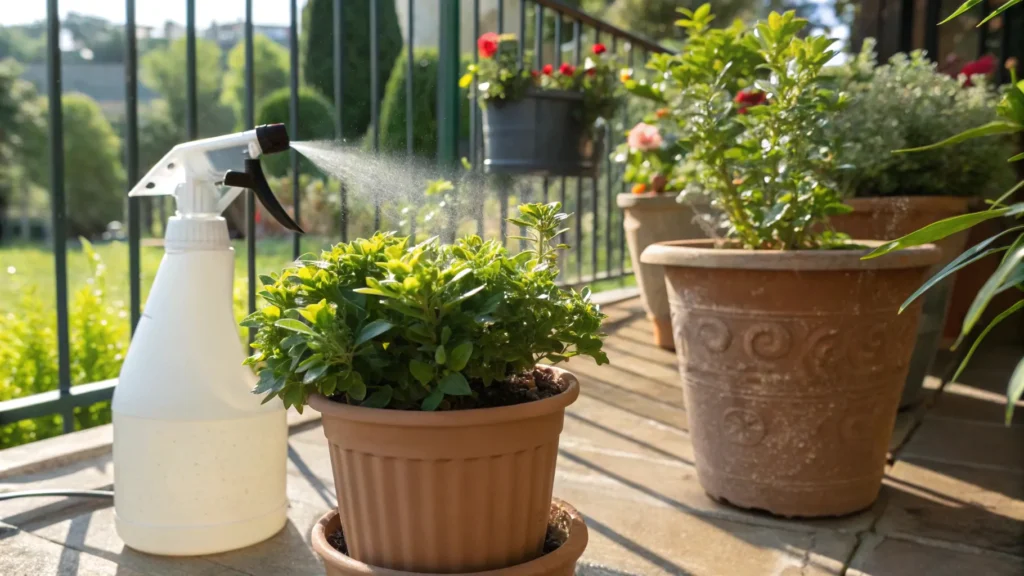
Use in: explaining combined protection strategies to design, engineering, and housekeeping teams together.
Where UV spray really helps
UV spray is most useful as a “booster” on already UV-stable plants. Modern UV sprays use additives similar to the stabilizers used in plastics: UV absorbers and HALS that absorb or block UV energy at the surface.
I advise clients to:
- Test spray on one hidden leaf first.
- Use thin, even coats at the distance on the label.
- Avoid strong solvents that can soften plastic.
- Repeat only as often as the supplier recommends.
When the base product already includes UV stabilizers and was tested in UV chambers, spray extends life instead of trying to rescue a failing material. In other words, U let spray support how to protect fake plants outside, not carry all the pressure.
Using shade as a design tool, not an afterthought
Shade is one of the cheapest tools in how to protect fake plants outside. I work with designers to place sensitive colors under:
- Balcony overhangs
- Pergolas and trellis structures
- Deep window reveals and arcades
- Taller real trees or architectural columns
We keep the most UV-tolerant greens in stronger sun and move rich reds, pinks, and blues into partial shade. This gives more control without changing the look of the design. It also lets U keep brand colors, wedding palettes, and seasonal themes without paying the full “sun penalty” on every stem.
If U already plan commercial layouts, my guide on Commercial Outdoor Plants helps your team match plant choice to sun and wind zones before U even place the first order.
Covers, carts, and swap-out kits
Covers and movement plans sound boring, but they save real money. I encourage clients to plan three simple habits:
- Light, breathable covers for feature installs when outlets close
- Carts or dollies for moving key planters during extreme weather
- Swap-out kits that change the look by season without changing bases
We often build three seasonal looks on the same base planters, like in our Fake Flowers Dubai cases. The base greenery stays in place with UV-stable leaves and strong anchors. Seasonal tops or add-ons come in and out with minimal handling. Every part of that plan supports how to protect fake plants outside while keeping the design fresh and exciting for guests.
Client story: resort pool that runs three looks a year
One resort client near Dubai wanted bold outdoor style at the pool but hated how past installs faded. We designed UV-protected palms and border plants tested to outdoor standards, then added a simple system: daily covers after closing, weekly cleaning, and three seasonal swap kits.
Their team now runs a summer, Ramadan, and Christmas look on the same hardware. Staff wheel carts from a storage room, change tops in under two hours, and cover the key pieces every night. Photos from year three still match photos from month one. That is the power of combining UV spray, shade, and covers into one simple habit set inside a clear plan for how to protect fake plants outside at resort scale.
If U also care about how those plants stay anchored in wind, share our guide on how to secure outdoor artificial flowers with your crew.
What Maintenance Schedule Works in Different Climates?
Even the best UV build will fail early if nobody cleans or checks it. I often find that teams spend hours choosing plants and zero time designing a simple maintenance schedule.
To master how to protect fake plants outside, U need a routine that matches your climate. This keeps dust, chemicals, and early damage from turning into big, expensive problems.
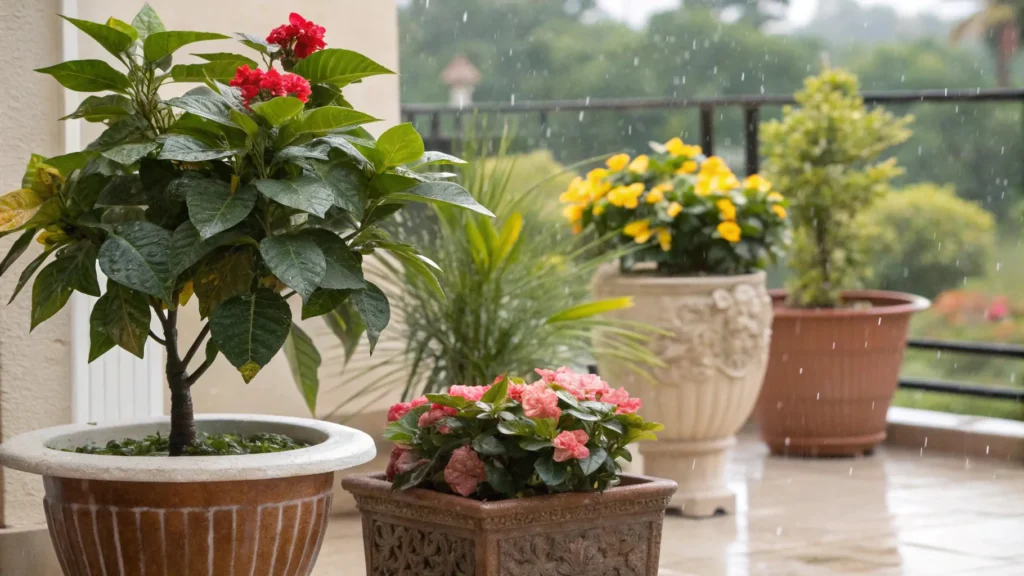
Use in: SOP documents and housekeeping training when U roll out new standards.
Step one: define your exposure class
Before U write any schedule, label each site or zone with an exposure class:
- Mild: cooler climates, partial shade, light wind
- Strong: hot sun part of the day, some wind, urban dust
- Extreme: full sun most of the day, high heat, sea air or heavy dust
In my article on Outdoor Artificial Plants UV Protected, I use similar thinking when I advise on test hours and warranties. When U link climate class to specs, U avoid using the same product for a calm courtyard and a rooftop by the sea.
Sample schedules for four common climates
Here is how I usually draft simple schedules (U can adjust by site):
- Cool or mild continental climates
Monthly dusting and quick visual check
Quarterly deeper wipe with pH-neutral cleaner
Annual full review with photos vs. golden sample - Hot-dry inland climates
Weekly light dusting or blower pass
Monthly wipe to remove fine dust
Quarterly check on anchors, bases, and any hairline cracks - Hot-humid or tropical climates
Weekly rinse to remove humidity-driven film
Monthly clean of stems and hidden areas to stop mold
Quarterly metal check for rust and base check for swelling - Coastal climates with sea air
Weekly rinse with fresh water to remove salt
Monthly clean with pH-neutral soap
Quarterly tight inspection on metal parts and leaf edges
This might look like extra work, but most tasks are fast. Teams that follow such schedules report fewer surprises and better color stability year after year. Over time, these routines become part of how to protect fake plants outside without adding new headcount.
Simple log that keeps everyone aligned
I ask clients to keep a one-page log per site:
- Date of clean
- Person in charge
- Notes on color, cracks, and rust
- Before/after photos from two fixed angles
These logs help U see trends. If one zone fades faster, U can change shade, cleaners, or even materials before U replace everything. They also help U hold suppliers accountable if a batch fails early under normal use. A simple log can turn arguments into data when U discuss how to protect fake plants outside with your vendors.
Client story: shopping mall group that stopped surprise fade
A mall group in Europe had a simple complaint: “We never know which site will fail next.” They ordered from many suppliers with no shared spec and no maintenance plan. Some atriums looked perfect after three years; others looked tired after one year.
We tagged every site with an exposure class, set a basic schedule like the one above, and picked a smaller list of UV-protected product lines. Within eighteen months, their surprise fade cases dropped sharply. When they did see issues, logs and photos made it easy to see if the cause was cleaning, anchors, or product choice. For them, learning how to protect fake plants outside turned into a standard operating topic, not a one-time project.
If U want a simple cleaning process for indoor pieces too, U can share our guide on How to Wash Silk Flowers Without Ruining Them with your housekeeping managers.
How Do U Buy UV-Resistant Fake Plants That Survive Seasons?
Many B2B buyers tell me, “Vendors all say UV, but I cannot see the difference on paper.” I understand this frustration because spec sheets often use vague words.
If U want to control how to protect fake plants outside, U must ask better questions and demand clearer data: material, test hours, climate class, and warranty in plain language.
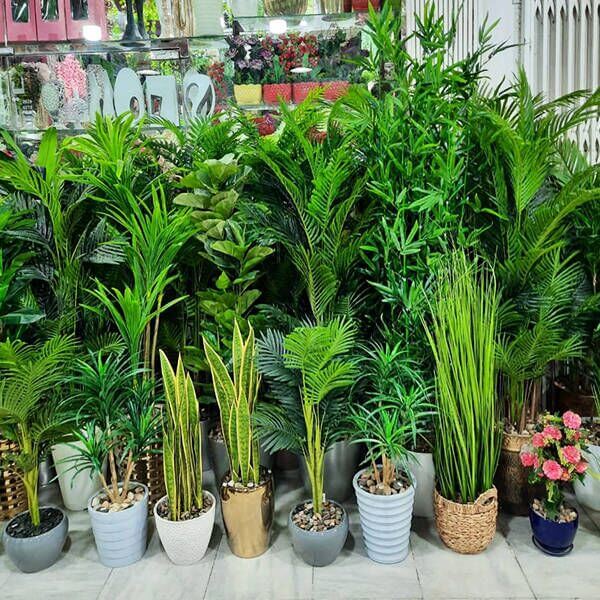
Use in: buyer checklists and RFQ templates for outdoor faux plants in hotels and malls.
Ask for lab data, not only marketing words
Serious outdoor products go through UV weathering tests like ASTM G154 in QUV chambers. These tests expose samples to UV, moisture, and heat to predict how they behave over time.
When U talk with suppliers, ask:
- Which UV test did U use (for example, ASTM G154)?
- How many hours did the sample run?
- What was the ΔE color change at the end?
- Can U show photos before and after the test?
In my Outdoor Artificial Plants UV Protected article, I suggest starting with 500–1,000 hours for serious outdoor work, with extra proof for harsh climates or risky colors. This is not a strict rule, but it gives your team a clear starting point and sets a baseline for how to protect fake plants outside in tough markets.
Spec sheet checklist for B2B buyers
When I help clients write RFQs, we turn “UV-resistant” from a fuzzy claim into a clear list. Here is a simple checklist U can adapt:
- Base resin: PE / PU / PVC with UV stabilizers (stated clearly)
- Pigments: tested for outdoor use, with note on risky colors
- UV test: standard name, hours, and ΔE result
- Metal parts: 316 stainless or good powder coat for coastal use
- Target climate classes: mild / strong / extreme
- Warranty terms: what is covered, what is excluded
- Recommended cleaning method and forbidden chemicals
If U want a broader framework on how to write plant specs, share my Artificial Plants Definition article with your quality and sourcing teams. It shows how a clear definition protects U from disputes and hidden changes.
Landed cost vs. re-order cost
Outdoor UV plants usually cost more than indoor-grade pieces. Some buyers hesitate at the first quote. I always ask them to count all the cost lines:
- Product price
- Swap-out labor
- Waste and landfill cost
- Guest complaints and bad photos
- Lost bookings or lower rates if spaces look tired
When U spread these across three to five seasons, UV-stable products often become the cheaper option. Well-built outdoor plants, especially in high-traffic spaces, protect revenue much more than they increase cost. From a CFO view, learning how to protect fake plants outside is a way to protect brand equity and profit, not just décor.
Client story: Sophia’s event and décor company
Sophia, an event planner and retailer, once told me, “Every time we open a new outdoor venue, we gamble on the sun.” She used low-cost faux plants on terraces, then had to replace them almost every season.
We rebuilt her buying process. We set a clear Artificial Plants Definition, added UV test data to every PI, and chose SKUs that already proved themselves in hot markets like Dubai. We also matched each zone to a climate class and asked for UV builds that fit that class.
Two years later, she still orders from the same base lines, but now she spends budget on seasonal themes instead of full replacements. For her, mastering how to protect fake plants outside unlocked new profit in both project fees and product sales, and made her brand look consistent across venues.
If your board or clients still debate faux vs real, U can also share our article on Artificial Plants vs Real Plants for a clear, business-focused view.
Conclusion
When U blend UV-stable builds, smart shade, covers, and simple routines, U master how to protect fake plants outside and turn every outdoor corner into a long-term asset for your brand.
Need a supplier who already designs for harsh sun?
Share your site photos and UV requirements with me, and I will suggest ready or custom outdoor faux plant solutions that match your budget and project timelines.
I am Jasmine, Founder & CEO of Botanic Blossoms. My team and I develop UV-stable artificial flowers and greenery for hotels, malls, event companies, and online retailers across many climates. When U are ready, U can send your mood boards, floor plans, and sun maps, and we will help U turn them into outdoor installs that stay profitable, not fragile.
FAQ
Q1: How long should outdoor UV-protected fake plants last in strong sun?
In strong sun with a good build and the right maintenance, I usually plan for three to five seasons before major swaps. In milder climates or shaded zones, U can often stretch beyond that, especially if the product passed solid UV tests and U clean it gently. This is the most realistic expectation when U plan how to protect fake plants outside over a full project cycle.
Q2: Can we “upgrade” existing outdoor fake plants with UV spray only?
UV spray can slow more damage, but it cannot fix weak base materials. If the plastic has already turned chalky or brittle, it is better to replace those pieces with UV-stable builds and then use spray only as a booster. This is a key lesson in how to protect fake plants outside without wasting labor.
Q3: What should go into our RFQ when we buy outdoor fake plants for multiple sites?
Include base resin type, UV stabilizers, UV test standard and hours, ΔE results, climate classes, metal spec, and warranty terms. Add simple notes on cleaning and forbidden chemicals. Use our Artificial Plants Definition as a shared language across teams and suppliers.
Q4: How do we decide which zones need premium UV builds and which can use value lines?
Map every zone by sun, heat, wind, and salt exposure. High-sun, high-heat, or coastal zones need your strongest UV builds. Indoor or shaded zones can use value lines. Our Commercial Outdoor Plants article shows simple ways to classify zones before U buy.
Q5: What cleaning mistakes damage outdoor fake plants the fastest?
The worst mistakes are pressure washing, strong bleach, and rough scrub pads. These open the surface and strip color. Switch to light rinsing, soft cloths, and pH-neutral cleaners. Train crews with short SOPs so every site treats plants the same way and supports how to protect fake plants outside.
Q6: How often should we review anchors and bases for outdoor faux plants?
I suggest a quick monthly visual check and a deeper quarterly check. Look for wobble, loose screws, or cracked liners. Use our guides on how to secure outdoor artificial flowers and on filling pots from both this how-to guide and our own article what to put in a fake plant pot as your anchor and fill playbook.
Q7: Do UV-protected outdoor plants look more “plastic” than normal faux plants?
Not when they are designed well. Modern UV-stable plastics and pigments can still have matte, natural finishes and soft-touch surfaces. The key is to choose suppliers who show real photos, samples, and test data, not only the word “UV” on the carton.
Q8: How do we explain higher UV costs to our finance team or clients?
Compare cost per season, not per carton. Show how cheap plants fade in one year and demand full replacement, while UV builds last several seasons with only partial swaps. Link that to brand image, guest photos, and freed labor. Many boards change their view once they see the full picture.
Q9: Can the same outdoor fake plant line work in Europe and the Middle East?
The look can stay the same, but the build may change. For mild climates U might choose standard UV builds. For Gulf or desert climates U will want stronger test hours, different metals, and sometimes more shade. Our Fake Flowers Dubai case studies show how designs adapt for extreme heat and dust.
Q10: How can Botanic Blossoms support long-term outdoor projects across many locations?
My team can help U map zones, write UV specs, and choose product lines for each climate class. We can pre-test key items, prepare anchors and fills, and pack seasonal swap kits. U get a clear system for how to protect fake plants outside across hotels, malls, and events, with less risk and more predictable cost.
Further Reading
- Buying UV-stable outdoor artificial plants: 6 key points you need to know when buying UV-resistant artificial plants
- UV testing and ASTM G154: What is ASTM G154 and why it matters for outdoor materials
- Cleaning and care guide: How to clean and care for artificial plants