
9 Brutal Truths About Wholesale Artificial Flowers Pricing That Save You Money?
A low quote feels good until your cartons arrive and the petals look shiny, the heads spin, and your team loses two nights fixing everything. That “cheap” unit price becomes expensive.
Wholesale artificial flowers pricing saves you money only when you control the real cost drivers: material grade, density, color tolerance, stem structure, and packaging systems. When you price the system, you cut claims, rework, and last-minute replacements.
When I review quotes, I treat Wholesale artificial flowers pricing like a risk audit, not a bargain hunt.
If your team buys for weddings, retail, hotels, or brand installs, Wholesale artificial flowers pricing must protect your look and your deadline at the same time.

I learned this through real buyer problems, not theory. One wedding planner told me she did not lose money on flowers. She lost money on “fixing flowers.” That is why I wrote this as a system guide you can use to screen quotes fast.
Why Two “Same” Stems Price 30–200% Apart?
A stem can look identical in photos, but one arrives stable and matte, and the other arrives shiny and weak. That gap is where your margin gets burned.
Wholesale artificial flowers pricing can differ 30–200% because “same” is not the bloom shape. “Same” is material grade, wire gauge, head lock, dye control, shaping time, and carton protection.
When you compare suppliers, Wholesale artificial flowers pricing changes fast once you lock the exact wire, glue, and shaping steps.
In my buyer calls, Wholesale artificial flowers pricing becomes clear only after both sides agree on what “same” really means.
If you want fewer surprises, Wholesale artificial flowers pricing must be tied to written specs, not photos.
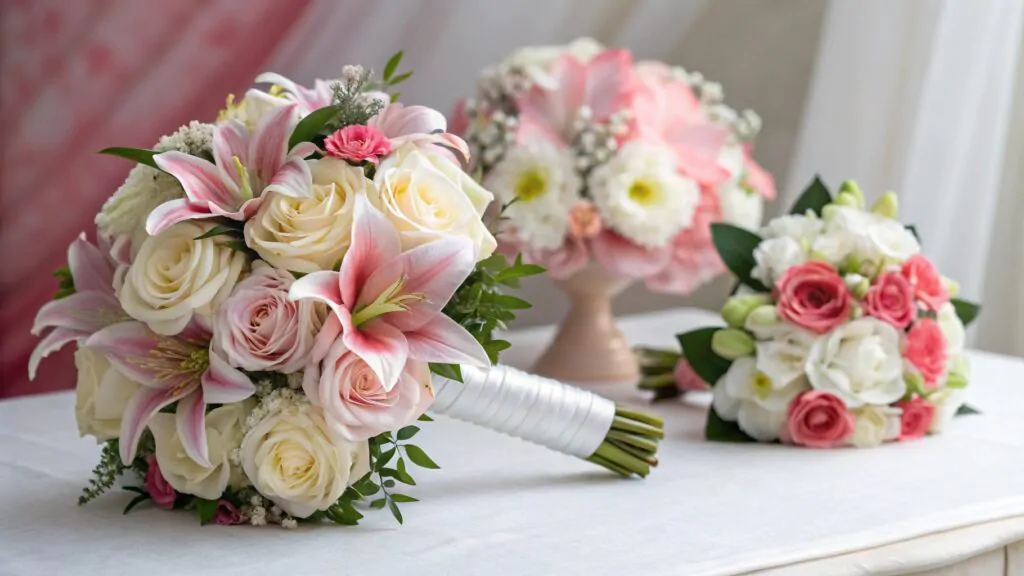
Truth #1: You are not buying a stem, you are buying a production recipe
When I review two quotes, I stop the “your price is high” talk. I ask for the recipe. I ask for these items in writing:
- Petal material (silk-touch, polyester, PE/PU/latex feel)
- Leaf material and finish (matte vs glossy)
- Stem wire gauge and coating
- Head attachment method (glue only vs wrap + lock)
- Color method (dye batch control or not)
- Shaping steps per piece
- Packing method (flat pack, tray pack, head protector, dividers)
I remember a buyer I call Sophia. She runs weddings and also sells DIY bundles. She sent me two “same” rose stems. One quote was low. The supplier said, “same as photo.” When I asked for the recipe, the low quote had thin petals and a fast glue head. The higher quote had stronger wire and a better head lock. Sophia chose the higher one and her setup time dropped. She stopped paying staff to re-glue blooms.
Truth #2: Wire gauge and head lock change the real cost, not the catalog photo
If your team resets stems many times, weak wire is a silent cost. It bends once, then spirals. Your staff keeps reshaping and the stem never holds.
- For repeated use, I prefer stronger wire and stable coating.
- For one-time décor, I can accept softer wire if the bloom is stable.
One retail buyer tried to save 0.12 USD per stem. He lost more than that because returns rose after customers bent stems twice and the heads tilted. That was not a “quality issue.” That was a “spec issue.”
Truth #3: A cheap quote often hides risk, not savings
If a supplier quotes low with vague confirmation, you are buying uncertainty. I push buyers to use a simple risk filter before deposit. I published a checklist you can use: Artificial Flowers Supplier Checklist — 15 Critical Red Flags Buyers Miss?
If you only remember one rule from this section, remember this:
- If the supplier cannot describe what makes the price low, the price is not real.
Material Grades That Change Look Under Lighting?
Your flowers look fine in daylight photos, then they look plastic under hotel downlights or flash photography. That is the fastest way to lose trust.
Wholesale artificial flowers pricing changes with material grade because lighting exposes surface finish, glare, and color depth. Better materials stay matte, keep depth, and look real under mixed light.
For hospitality and event photos, Wholesale artificial flowers pricing is really a lighting-performance decision.
I have seen Wholesale artificial flowers pricing look “high” until you test the cheaper option under flash and lose the whole premium feeling.
If you sell into mixed lighting spaces, Wholesale artificial flowers pricing must include a simple lighting test before bulk.
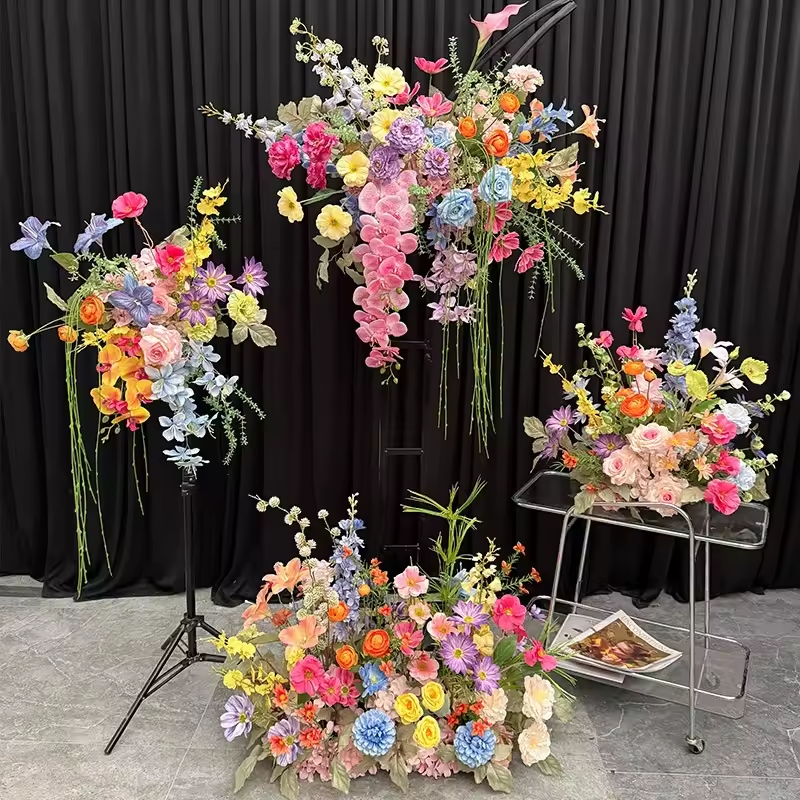
Truth #4: Lighting is a quality test, not a styling issue
I do not approve any new material without a basic lighting test. I ask for three short videos:
- Near a window (daylight)
- Warm indoor light (restaurant/hotel)
- Flash or strong LED (photo zone)
Sophia once bought “silk” flowers that were actually coated polyester. Under flash, the petals reflected like wet plastic. She blamed herself first. Then she realized it was the surface finish. After that, she required flash videos before every PO. That small habit saved her from repeated reorders.
Truth #5: Matte surfaces cost more because they require better control
A matte finish that still looks clean usually needs:
- Better raw material
- Better coating control
- Cleaner trimming
- More stable dye control
- More careful molding and veining on leaves
A glossy leaf can come from cheaper plastic and faster production. But glossy leaves scream “fake” under strong LEDs. In commercial spaces, guests stand close. They touch leaves. Gloss breaks the illusion fast.
Truth #6: UV and heat punish cheap plastics and coatings
If you supply outdoor décor or hot markets, material grade becomes even more expensive to ignore. Heat can soften coatings. UV can shift tone and kill realism.
- If you sell into the UAE, I push for UV thinking early.
- I also push for simple acceptance checks on arrival.
For projects in harsh climate and strong sunlight, I reference my own buyer rules here: Fake Flowers Dubai — 11 Buyer Rules to Beat Heat, Dust and Delays
I also ask buyers to define their “acceptable color shift” up front. When color matters, I use a tolerance mindset like ΔE, because it forces clarity. If your supplier talks only about “close enough,” you will fight later.
Density vs “Photo Quality”: What You Actually Pay For?
A listing photo looks full, then your bulk stems look thin and flat. You add more stems to fix it and your cost doubles.
Wholesale artificial flowers pricing is often a density purchase. You pay for petal count, layer depth, filler volume, and 360° coverage. “Photo quality” can hide thin backs and empty cores.
In retail bundles, Wholesale artificial flowers pricing is controlled by petal count and core fullness more than most buyers expect.
In wedding installs, Wholesale artificial flowers pricing is controlled by how many stems your team must add to make the photo look real.
If you plan centerpieces, Wholesale artificial flowers pricing must reflect 360° coverage, not a front-facing studio image.

Truth #7: Density must be measured, not described
I do not accept “full” as a spec. I lock density with simple measurable rules:
- Bloom diameter tolerance (example: 10–11 cm)
- Layer count (example: 3 layers minimum)
- Petal count range (example: 45–55 petals)
- Leaf count and leaf size range
- 360° coverage or “front-only” coverage
A chain store buyer once ordered hydrangea heads based on photos. Bulk came with fewer petals and a hollow look. He added extra heads per bundle to protect shelf impact. He did not plan that cost. That destroyed his margin. After that, he asked me for “bulk realism photos” from real cartons, not studio samples.
Truth #8: 360° density is a different product than “front density”
If you build centerpieces, you need 360° coverage. If you build wall backdrops, you can use front density and save money.
- Centerpieces: 360° matters because guests walk around.
- Arches: front density can work if the back is not visible.
- Retail bundles: front density can work if bundles face one direction.
Sophia once used a front-dense rose for centerpieces. Guests saw the thin back side. Her team doubled stems per table. That was not a supplier mistake. That was a spec mistake.
How I build a density plan that protects total cost
I split your décor into zones:
- Hero zone: photos, stage, ceremony, entry
- Mid zone: main guest path, feature shelves
- Volume zone: distance décor, filler runs
Then I price the system:
- I invest density in hero zones.
- I control density in volume zones.
This approach keeps your total spend stable while improving what actually gets photographed.
If you need layout help to control stem counts, I keep these guides as “install SOPs” for buyers:
- How to Put Fake Flowers in a Pot — 15 Easy Outdoor Planter Layouts
- How to Pot Artificial Flowers — 7 Proven Fills That Stay Perfect
Packaging Cost That Prevents Claims and Rework?
Your flowers can be good, but your cartons can still destroy the order. Bent stems and crushed blooms become labor, rework, and disputes.
Wholesale artificial flowers pricing includes packaging because the right carton system prevents deformation, reduces claims, and saves restyling hours. Packing is not a bonus, it is a margin protection tool.
For bulk shipping, Wholesale artificial flowers pricing must include carton engineering, not only product cost.
In my experience, Wholesale artificial flowers pricing becomes “cheap” only after damage rate goes down.
If your business runs tight timelines, Wholesale artificial flowers pricing must include a proof-based packing record.
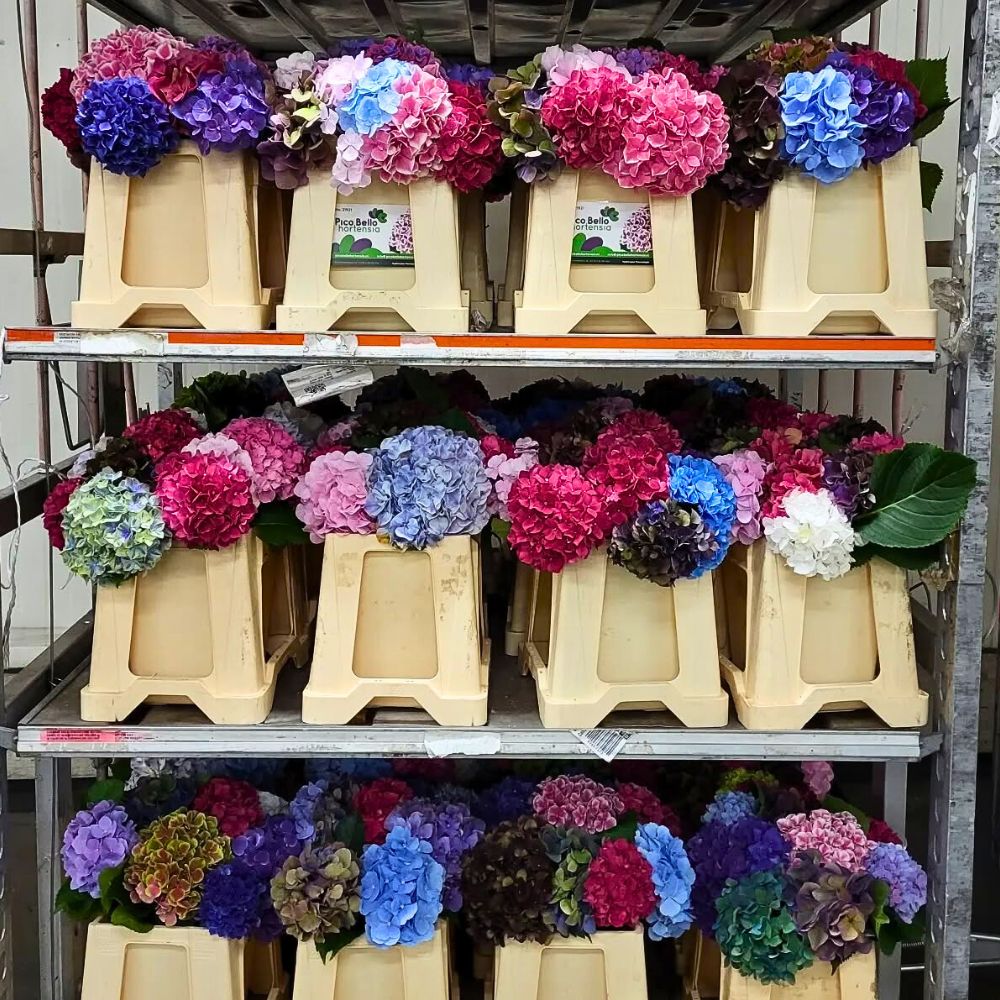
Truth #9: Packaging is cheaper than rework, every time
I had a hospitality buyer who bought premium orchids. Product quality was fine. Packaging was weak. Heads carried weight and crushed. The lobby install team spent hours reshaping petals. She did not bill that time internally. That cost was invisible, but it was real.
So I price packaging as a system:
- Head protectors for fragile blooms
- Dividers between layers
- Limits on stack height
- Carton length matched to stem length
- Side-wall protection to stop bending
- Photo record per carton before sealing
The 4 packaging rules I use to cut claims fast
- Stop bloom heads from carrying weight
If heads carry weight, they deform. I use trays or dividers for sensitive heads. - Match carton size to stem length
Short cartons force bends. Bends create permanent angles. That becomes restyling time. - Set a max stack rule
Without a stack rule, even good cartons fail in transit. - Make claims easy with proof
Carton photos and batch labels stop arguments and speed solutions.
If you store inventory, storage can damage product even after perfect shipping. I keep these two internal references for buyers who store bulk:
- How to Store Artificial Flowers: 13 Proven No-Crush Methods
- How to Store Long Stem Artificial Flowers — 11 Proven Rules
For packaging stress reality, I align with parcel simulation thinking like ISTA 3-Series. It keeps the conversation factual. If your supplier refuses to discuss transport risk, you will carry that risk yourself.
How You Negotiate Price Without Forcing Quality Down?
You want a better price. The supplier hears pressure. Quality drops quietly. You only see the damage after your deposit.
Wholesale artificial flowers pricing negotiation works when you remove waste first: standardize cartons, simplify variants, plan volume tiers, and protect hero SKUs. Price becomes lower without pushing quality down.
When buyers negotiate, Wholesale artificial flowers pricing should move down because waste moves out, not because quality collapses.
In long-term programs, Wholesale artificial flowers pricing improves when you standardize SKUs and repeat orders on schedule.
If you want stable supply, Wholesale artificial flowers pricing must include service rules like updates and claim timing.
For serious procurement teams, Wholesale artificial flowers pricing is best managed with a price ladder and a spec lock.

The negotiation system I use with serious buyers
I do not negotiate with emotion. I negotiate with structure. This is the order that protects you:
Step 1: Lock the spec before you chase the price
I put everything into one page:
- Material grade and finish
- Density rules
- Color reference and tolerance expectation
- Stem wire requirement
- Packing method
- Lead time and QC checkpoints
Then every supplier quotes the same system. This is how you stop fake low quotes.
If you want a simple baseline for your buying program, I keep this internal guide as a starting point: Wholesale Artificial Flowers Guide
Step 2: Ask for price tiers, not “discounts”
I prefer price breaks tied to real efficiency:
- 300 / 800 / 1,500 pcs
- Mixed SKUs inside one carton plan
- Colorways reduced to top sellers
- Stable monthly ordering schedule
A retail buyer once asked me for 15% off on a small MOQ. I did not cut corners. I offered a better price at a higher tier and a simpler packing plan. He chose the tier. His damage rate dropped. His total cost fell.
Step 3: Trade changes that do not damage the look
If you want savings, I move levers that do not ruin realism:
- Reduce too many custom colors in one PO
- Standardize stem lengths for carton efficiency
- Standardize inner packs
- Use sea freight for core stock, then top up by air only when needed
- Split hero SKUs and filler SKUs
Sophia used this approach for wedding seasons. She bought premium roses for ceremony and photos. She used stable filler greens for volume. Her client photos stayed premium, and her budget stayed controlled.
Step 4: Add a performance promise, not a cheap promise
I ask for a simple service promise in writing:
- weekly update rhythm
- pre-shipment photo set rules
- claim handling timeline
- color batch consistency commitment
This is how you protect your schedule. A supplier can be “cheap” and still expensive if they are slow.
Conclusion
Wholesale artificial flowers pricing saves money when you price the system, not the photo. Control material, density, color, wire, and packaging, and your total cost drops fast.
For repeat buyers, Wholesale artificial flowers pricing becomes your competitive advantage because it locks stable quality and stable delivery.
If you want long-term results, Wholesale artificial flowers pricing must be managed as a program, not as a one-time deal.
FAQ (B2B)
1) What information should I give to get accurate wholesale artificial flowers pricing?
I ask for target photos, use scene, lighting type, quantity, delivery window, and whether the product will be reused or one-time installed.
2) Why do samples look better than bulk orders?
Samples are often hand-selected and hand-shaped. I reduce this risk by requiring bulk carton photos and random pull checks before shipment.
3) How can I compare two supplier quotes correctly?
I compare material grade, wire gauge, density rules, color reference, packing method, and QC steps on one spec sheet.
4) What is the fastest way to reduce damage claims?
I stop bloom heads from carrying weight, add dividers, match carton length to stems, and set a max stack rule.
5) How do I know if a flower will look real under strong LEDs?
I require three lighting videos: daylight, warm indoor, and flash/LED. Matte finish and depth usually perform better.
6) What should I do if I need a lower unit price?
I use tiered quantities, reduce variants, standardize cartons, and split hero vs filler SKUs so the look stays premium.
7) Does higher density always mean better value?
Not always. If your scene is distance décor, controlled density is enough. If your scene is photo zone, density is worth paying for.
8) How do I control color consistency across multiple shipments?
I lock a color reference, define an acceptance tolerance expectation, and require batch labels plus the same QC photo routine each shipment.
9) What packaging details should be written into my PO?
Inner pack count, divider rules, head protector rules, carton size, max stack height, and carton photo records before sealing.
10) Where can I see more supplier screening rules?
I use this checklist as a baseline: Artificial Flowers Supplier Checklist