
Artificial Topiary Balls Outdoor: 7 Buyer Checks Before Bulk Orders?
Outdoor décor can look perfect on day one, but weak greenery can fade, open gaps, and damage your project image fast.
Artificial topiary balls outdoor products should be checked by UV resistance, leaf density, frame strength, size accuracy, packing, installation method, and supplier support. For hotels, restaurants, malls, event companies, and retail buyers, the right product can lower maintenance work and protect long-term display value.
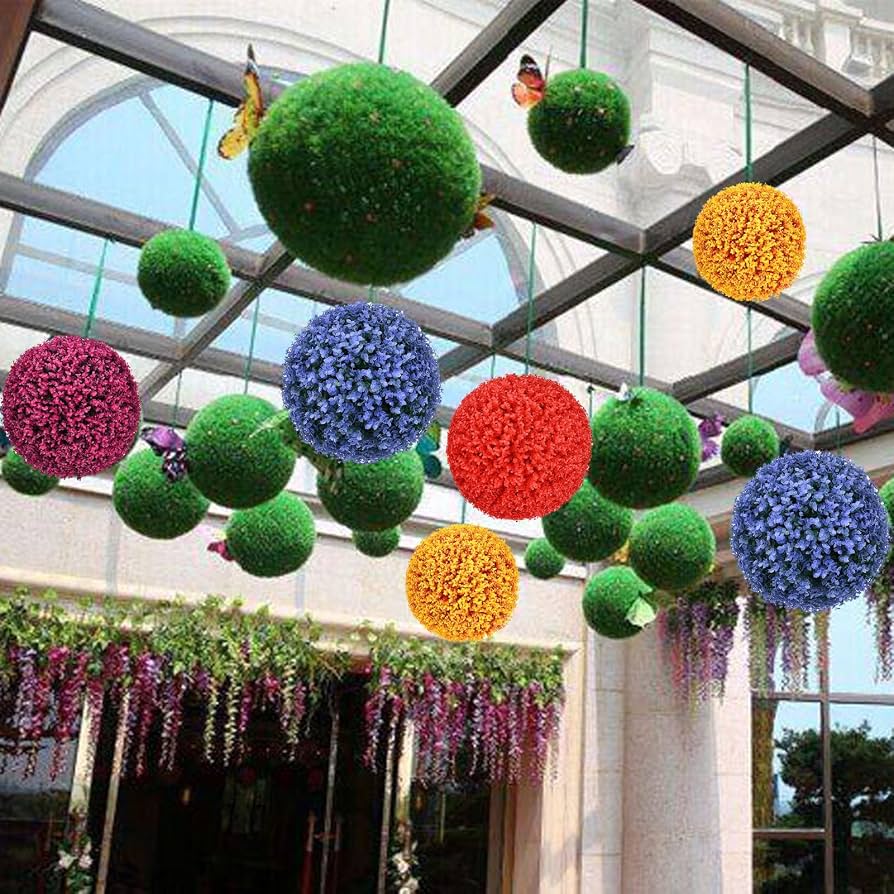
I have seen many buyers treat outdoor greenery as a simple decoration item. I understand this. A green ball looks easy to buy. The product photo looks clean. The price difference also looks small at first. But in real projects, artificial topiary balls outdoor products are not only about shape. They are about color life, density, structure, safety, shipping cost, and customer experience.
In my work at Botanic Blossoms, I often speak with hotel buyers, event rental companies, wedding planners, restaurant owners, and online retailers. Many of them come to me after one bad buying experience. The first problem is usually fading. The second problem is loose leaves. The third problem is poor packing. The fourth problem is size mismatch. These issues do not always show in supplier photos. They show after shipping, after sun exposure, or after the first few uses.
This is why I always suggest buyers check artificial topiary balls outdoor products with a project mindset. A low price can look attractive. But if the product fades under sun, looks thin in photos, or arrives crushed, the real cost becomes higher. You may need to replace the goods. You may need to explain the issue to your client. You may also lose time during installation.
In this article, I will share the seven buyer checks I use when helping clients choose artificial topiary balls outdoor products. I will also share service stories from real B2B situations. You can use this guide before ordering samples, comparing suppliers, or preparing a wholesale project quotation.
What Are Artificial Topiary Balls?
A topiary ball looks simple, but poor material and weak structure can make the whole outdoor display look cheap.
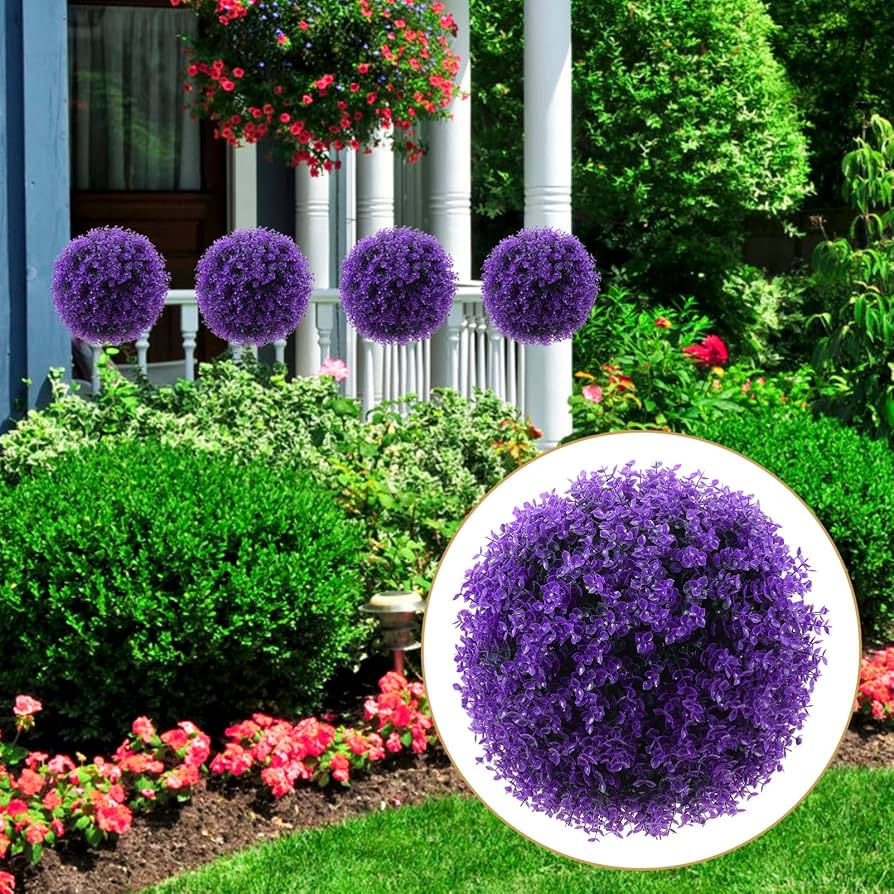
Artificial topiary balls are round decorative greenery products made with artificial leaves, plastic grids, or inner frames. Buyers use artificial topiary balls outdoor to create clean, formal, and low-maintenance greenery for commercial and residential spaces.
How I Explain Topiary Balls to Wholesale Buyers
When I introduce artificial topiary balls outdoor products to a buyer, I do not only say “green ball.” I usually explain the product in four parts. The first part is the leaf material. The second part is the ball structure. The third part is the density. The fourth part is the use scene. These four parts decide whether the product is suitable for a small balcony, a restaurant entrance, a hotel project, a retail display, or a large outdoor installation.
A topiary ball can be made with boxwood leaves, laurel leaves, eucalyptus-style leaves, mixed greenery, or seasonal foliage. Some buyers want a very neat European garden look. Some buyers want a more natural and soft greenery look. Some buyers want strong photo performance for weddings, restaurants, hotels, and shopping mall displays. The right choice depends on the buyer’s market and the final project style.
I once helped a small event rental customer choose two styles. She first asked for the cheapest boxwood ball because she wanted to control her first inventory cost. After I saw her project photos, I suggested a denser mixed leaf style for her main wedding entrance sets. Her clients used the products for photo areas, ceremony paths, and welcome corners. The denser style looked richer in photos. It also helped her raise the rental price because the product looked more premium.
The Product Is Not Only a Round Shape
A round shape is easy to understand, but the real value is inside the product. A good artificial topiary balls outdoor item should have stable leaf fixing, a strong inner grid, balanced shape, and suitable weight. If the leaves are too loose, the ball can show empty spaces after shipping. If the frame is too weak, the ball may lose its shape. If the color is too flat, the product can look plastic under strong sunlight.
I also check how the product looks from different angles. Some buyers only check the front side in photos. But in real use, customers may see the ball from the top, side, and back. A hotel entrance, a mall walkway, or an event aisle has foot traffic from many directions. A good topiary ball should look full from all normal viewing angles.
This is one reason why I often ask buyers for project photos. A photo tells me the light, wall color, flooring, planter size, and camera angle. If the ball will be placed beside a door, the buyer may need a larger size. If the ball will be placed in a narrow hallway, a medium size may work better. If the ball will be used in photos, density becomes more important.
Why Buyers Like This Product Category
Buyers like artificial topiary balls outdoor because the product gives a finished look fast. It is easier than planting real shrubs. It is cleaner than soil-based greenery. It is also easier to repeat in bulk projects. A hotel can use the same style at several entrances. A retail chain can repeat the same visual style across different stores. An event rental company can use the same set for many themes.
Artificial topiary balls also work well with other greenery products. A buyer can combine them with artificial green wall panels, faux hedges, artificial trees, flower garlands, and outdoor planters. A green wall creates a large background. A topiary ball creates structure and rhythm. Together, they can make a space look planned instead of empty.
My factory-side view is simple. A buyer does not only buy one green ball. A buyer buys a ready visual result, lower maintenance pressure, faster installation, and a more stable customer experience. This is why artificial topiary balls outdoor products should be chosen carefully, especially for B2B projects.
Where Are Outdoor Artificial Topiary Balls Used?
A plain outdoor space can feel cold and unfinished, but the right greenery shape can make it feel complete in minutes.
Outdoor artificial topiary balls are used for hotel entrances, event venues, shopping malls, garden paths, restaurant patios, balconies, office buildings, retail displays, and public commercial spaces.
Hotels and Hospitality Spaces
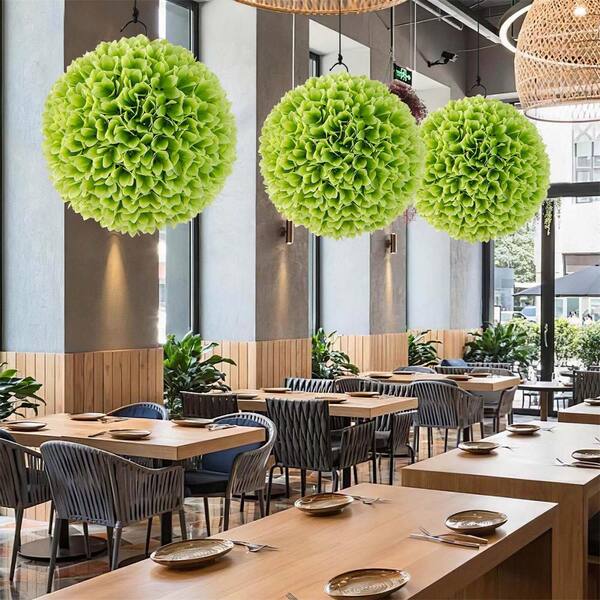
Hotels often use artificial topiary balls outdoor products near entrances, reception paths, patios, pool areas, restaurant doors, and outdoor lounges. The goal is clear. The space should look fresh every day. The staff should not spend too much time watering, pruning, or replacing weak plants. The visual effect should also stay consistent during busy seasons.
I once supported a hospitality buyer who wanted a clean entrance look for a small resort project. The entrance had strong afternoon sun, and the staff did not have enough time to maintain real plants. The buyer wanted greenery, but she did not want daily plant care. I suggested UV-treated artificial topiary balls with matching greenery accents. We also discussed planter size and fixing method before shipment. The final look was clean, and the team did not need watering or trimming.
For hotels, quality consistency matters a lot. One weak product can affect the whole entrance. If one ball fades faster than the others, the difference becomes obvious. If one ball is smaller, the row looks uneven. This is why I always suggest hotel buyers confirm sample color, full outer diameter, and production consistency before a bulk order.
If your project is in hospitality, you can also read our guide about hospitality faux greenery. It explains why commercial spaces need greenery that looks good without daily care pressure.
Restaurants, Cafés, and Outdoor Dining Areas
Restaurants and cafés use artificial topiary balls outdoor products to create a warmer and more welcoming dining space. A patio with only tables and chairs can feel hard. Greenery softens the space. It also helps create photo-friendly corners for customers. This matters because many customers take photos before they order or share their visit online.
One restaurant buyer once asked me for low-cost greenery for an open-air patio. The area had strong sun and dust. I explained that normal indoor greenery would not be the best choice. We divided the project into two zones. The main outdoor area used UV-treated artificial topiary balls. The covered corner used lower-cost indoor greenery. This helped the buyer control the budget while protecting the main visual area.
This kind of mixed solution is often better than using one product level everywhere. Full sun areas need stronger materials. Covered areas can use a different grade. Indoor corners can focus more on style than UV resistance. This is a practical way for buyers to balance cost and performance.
Event Rental and Wedding Decoration
Event rental companies need products that are easy to move, quick to install, and strong enough for repeated use. This is why artificial topiary balls outdoor products are popular in wedding entrances, ceremony aisles, photo zones, brand events, garden parties, and stage corners.
An event customer once told me that real plants looked beautiful, but they were not practical for her team. The plants were heavy. The soil made transport messy. Some leaves were damaged during loading. Some plants looked weak after hot weather. I helped her build a reusable artificial greenery set with topiary balls, greenery panels, and loose stems. Her team could set up faster. The products were easier to store. Her event photos also looked more consistent.
For event rental buyers, I suggest paying attention to packing and recovery after unpacking. The product may be moved many times. The carton must protect the shape. The leaves must be easy to adjust by hand. The structure must not break after repeated transport. A good event product should be beautiful, but it must also be practical.
Retail Displays and Online Resale
Retail buyers use artificial topiary balls outdoor products for storefront displays, seasonal windows, garden décor sections, balcony displays, and online product listings. The product must look good in photos and must arrive in good shape after shipping. For online resale, packing becomes very important because the end customer sees the product after delivery, not in a showroom.
I once worked with a home décor retail buyer who wanted very dense 50 cm topiary balls. The product looked premium, but the carton size and shipping cost were high. After checking her sales channel, I suggested two sizes. The larger size was used for showroom and premium listings. The smaller size was used for faster online sales. This gave her better price levels and better stock control.
For retail buyers, I suggest checking carton size, gross weight, packing quantity, and product recovery after shipping. A product with a beautiful factory photo is not enough. The product must also survive shipping and still look good when the customer opens the box.
UV Resistance, Density, Size, and Installation Quality?
Outdoor buyers may think all artificial greenery is similar, but sunlight, wind, and installation pressure quickly show the real difference.
Good artificial topiary balls outdoor products need UV-treated leaves, strong density, accurate size, stable inner structure, secure fixing points, and suitable packing. These details decide how long the greenery keeps its color, shape, and commercial value.
Check 1: UV Resistance
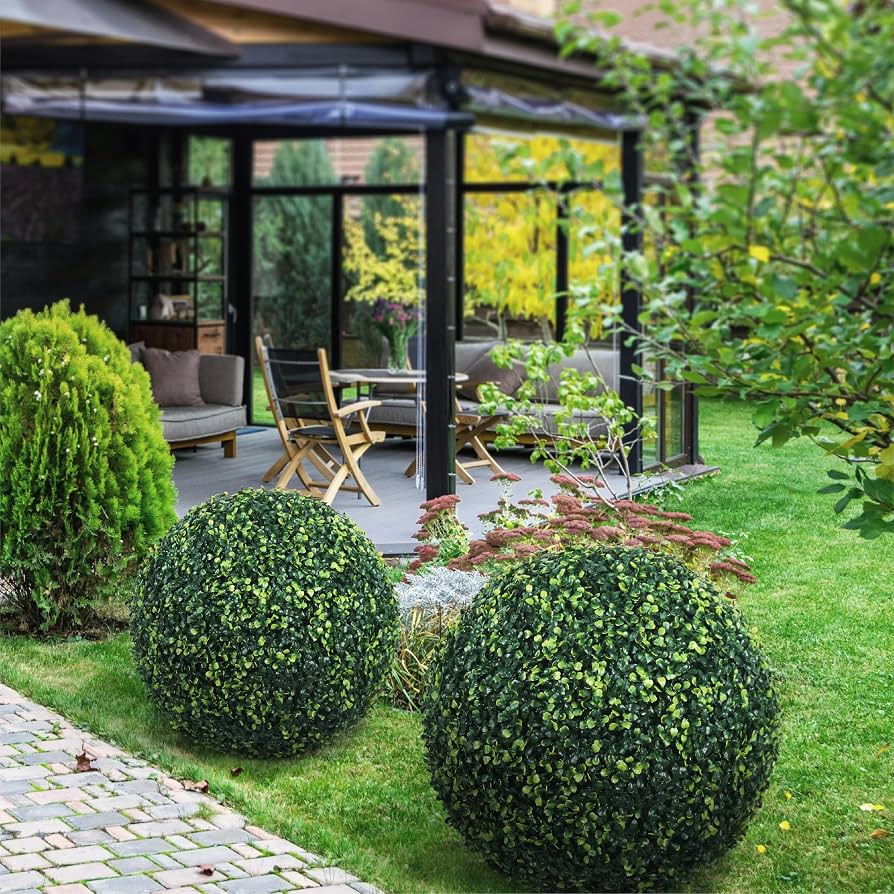
UV resistance is the first thing I check when a buyer says the product will be used outside. Normal indoor greenery may look good in a supplier photo, but it may fade quickly under strong sun. UV treatment helps slow down color fading. It does not mean the product will never change color. But it is a much better choice for long-term outdoor use.
Different markets have different outdoor pressure. A buyer in Australia may face very strong sun. A buyer in the Middle East may face heat and dry air. A buyer in the United States may use the product in a wide range of climates. A buyer in the UK may care more about rain and moisture. This is why I ask the destination country before I recommend artificial topiary balls outdoor products.
I once worked with a buyer who wanted to use standard indoor balls for an outdoor restaurant patio because the price was lower. I explained the risk clearly. The buyer later chose UV-treated boxwood balls for the main outdoor area and used normal indoor balls only for covered indoor corners. This mixed solution helped him control the budget and protect the main outdoor display.
For buyers sourcing more than topiary balls, I suggest reading our guide on best fake plants for outdoors. It can help buyers compare UV greenery choices for different commercial scenes.
Check 2: Density and Coverage
Density decides whether the product looks rich or cheap. A low-density ball may show gaps. It may also look weak in photos. For event companies, this is a serious problem because customers often take close photos near the décor. For hotels and retail stores, gaps can make the entrance or display look unfinished.
When I inspect artificial topiary balls outdoor samples, I rotate the product and check it from all sides. I look at the front, back, top, and bottom. If the product will be placed above eye level, people may see the lower part. If it will be used along stairs, people may see it from different angles. A good product must look full from normal viewing directions.
I also check color layers. A single flat green tone can look artificial under strong daylight. A mixed green tone often looks more natural. But the color mix must be controlled. If the color difference is too strong, the ball may look messy. This is why sample approval is important. A buyer should approve real sample color before bulk production.
Check 3: Size Accuracy
Size accuracy is a common problem in wholesale orders. A buyer may order 100 pieces for planters, railings, entrance paths, or event stands. If the size difference is too large, the project will look uneven. I always suggest buyers confirm whether the listed size means the full outer leaf diameter or only the inner frame size.
A customer once ordered greenery balls from another supplier before she came to me. The listed size looked correct online, but the received size was smaller after the leaves were pressed in the carton. She could still use the products, but the project did not look full enough. When she came to me for the next order, I asked her to confirm the real outer size after shaping. I also suggested better packing for the larger pieces.
For artificial topiary balls outdoor projects, size should be checked with the final scene. A 20 cm ball may work for small planters or balcony decoration. A 40 cm or 50 cm ball gives stronger impact for commercial entrances. Larger balls need better packing and stronger fixing. Buyers should not choose size only by price. They should choose size by visual distance, planter size, and project scale.
Check 4: Inner Structure and Fixing Points
The inner structure decides how well the product keeps its shape. A weak frame may deform after shipping or installation. A strong grid helps the ball stay round. Fixing points also matter. If the product will be hung, clipped, tied, or mounted, the buyer should confirm how the product will be fixed before ordering.
I have seen buyers lose time because the product looked good but had no clear installation method. The team arrived at the project site and had to solve everything on the spot. This is risky. A good supplier should ask where the product will be used and how it will be installed. A buyer should also ask for simple installation photos or videos before shipment.
For windy areas, stronger fixing is important. For planter use, the ball should fit the support structure well. For wall or frame installation, the connection should be stable. For event rental, the fixing method should be fast and repeatable. These details help artificial topiary balls outdoor products perform better in real use.
Check 5: Packing and Shape Recovery
Packing is one of the easiest details to ignore. It is also one of the easiest details to regret. A topiary ball has volume. If the carton is too small, the product may arrive pressed and hard to shape. If the carton is too large, shipping cost can increase. If the buyer sells online, the carton must protect the product and still control freight cost.
I often help buyers balance product density and carton size. A very full ball looks premium, but it may need more packing space. A lighter ball may be easier to ship, but it may not give enough visual impact for commercial projects. The right choice depends on the sales channel, target price, use scene, and customer expectation.
For wholesale buyers, I suggest confirming carton size, gross weight, packing quantity, loading plan, and recovery method before bulk production. The unit price is only one part of the real cost. Shipping cost, damage rate, installation time, and replacement risk also matter.
For public commercial projects, buyers can review relevant product and project standards from ASTM International when formal material or performance guidance is needed.1 For sustainability thinking, buyers can also review the EPA Sustainable Materials Management resources.2
Artificial Topiary Balls vs Real Topiary Plants?
Real plants have life and texture, but commercial buyers often need a result that stays ready every day.
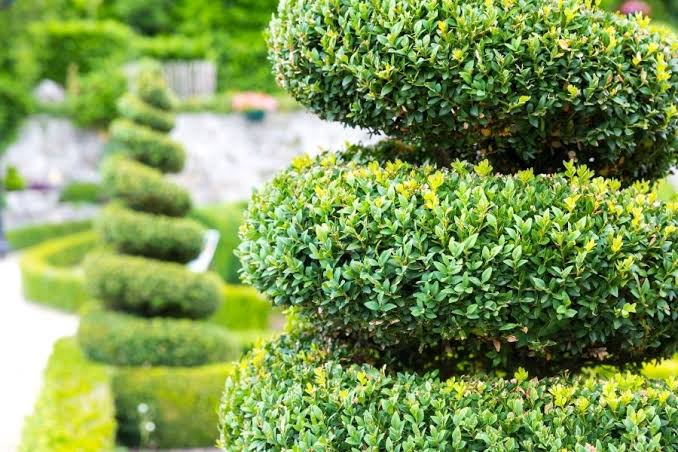
Artificial topiary balls outdoor products are easier to maintain than real topiary plants. Real plants offer natural growth, but artificial balls give stable shape, lighter transport, faster setup, lower care work, and better control for repeated commercial use.
Appearance Is Only One Part of the Decision
When buyers compare artificial topiary balls outdoor products with real topiary plants, they often start with appearance. I understand this. Real plants have natural growth and true texture. But in B2B projects, appearance is only one part of the decision. Buyers also need to think about labor, season, watering, trimming, storage, transport, replacement, and customer complaints.
Real topiary plants can be beautiful. But they need care. They may grow unevenly. They may suffer in strong sun, heavy rain, cold weather, or poor soil. They can also attract insects. For a private garden owner, this may be acceptable. For a hotel, restaurant, retail chain, or event company, it can become extra work.
The Royal Horticultural Society explains that live topiary needs pruning and regular care to keep its shaped form.3 This is important for commercial buyers. If a buyer has a full plant care team, real topiary can work well. If a buyer does not have that support, artificial topiary may be more practical.
Transport and Storage Change the Cost
For event and rental buyers, transport is often more important than many people think. Real topiary plants can be heavy. They can spill soil. They can break during loading. They also need care between events. Artificial topiary balls are lighter and cleaner. They can be packed, stored, moved, and reused more easily.
A customer once told me that she loved real plants, but her team had no time to maintain them between events. Some plants were damaged during transport. Some looked weak after hot weather. I helped her create a reusable artificial greenery set. It included artificial topiary balls outdoor pieces, greenery panels, and loose greenery stems. The look became more stable. Her team could set up faster. Her rental photos also looked more consistent.
This is why event rental companies often choose artificial pieces for their core inventory. They need products that can work for weddings, brand launches, corporate events, birthday parties, and photo areas. A good artificial topiary ball can be styled with flowers, ribbons, lights, signs, or planters. The same green base can support different themes.
Real Plants Still Have Their Place
I do not tell buyers that artificial products should replace every real plant. That is not realistic. Real greenery still works very well in gardens, luxury landscaping, premium outdoor areas, and places with full plant care teams. A real plant can bring a true living feeling. It can grow with the space. It can also support a garden project when the buyer has the right staff and environment.
But many commercial buyers are not trying to build a garden. They are trying to build a stable customer experience. A hotel entrance must look fresh every day. A wedding rental product must look good after many uses. A retail display must stay clean during a sales season. A restaurant patio must be ready for customers without adding daily plant work.
In these cases, artificial topiary balls outdoor products give more control. They are not better for every situation. They are better for stable display, lower labor, fast setup, and repeat use. This is the real reason many B2B buyers choose them.
My Honest View
My honest view is simple. Use real plants when the project has time, people, and care systems. Use artificial topiary balls when the project needs repeatable beauty, fast setup, lower maintenance, and stable presentation. For many B2B buyers, the best choice can also be a smart mix.
Real plants can be used in high-touch garden areas. Artificial greenery can be used in hard-to-maintain corners, entrances, photo zones, seasonal displays, and rental inventory. This kind of mixed plan helps buyers keep a natural feeling while reducing daily pressure.
For buyers sourcing a full artificial greenery and floral program, our page about artificial flowers supplier support explains how a supplier can help with product selection, sample development, and project planning.
How to Buy Artificial Topiary Balls Wholesale for Projects?
A wholesale order can look simple on paper, but small product details decide the real cost after shipping and installation.
To buy artificial topiary balls outdoor wholesale, buyers should confirm UV treatment, material, density, size, packaging, installation method, sample quality, MOQ, delivery time, and supplier communication before placing bulk orders.
Check 6: Start With the Real Use Scene
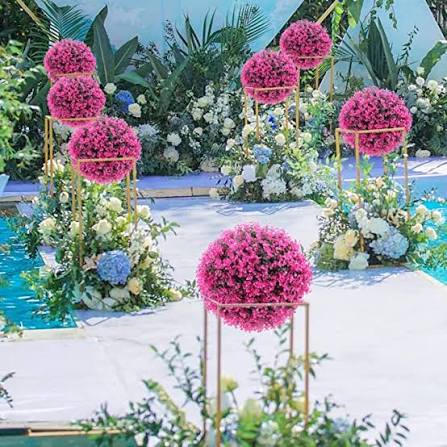
When a buyer asks for a wholesale price, I usually ask one question first. Where will the artificial topiary balls outdoor products be used? This question matters more than many buyers expect. A covered hotel lobby entrance needs a different product from an open-air restaurant patio. A wedding rental company needs a different packing plan from a retail store selling single pieces online.
If the product will stay outdoors for a long time, I suggest UV-treated leaves and stronger fixing. If the product will be moved often, I suggest a lighter but stable structure. If the buyer sells online, I also consider package size, shipping cost, carton strength, and how the product looks after the customer opens the box.
A buyer from the home décor retail field once asked me for very dense 50 cm balls. The product looked great, but the carton size and shipping cost were high. After checking her sales channel, I suggested two sizes. The larger size was for premium listings and showroom display. The smaller size was for faster online sales. This gave her more price levels and better stock control.
Check 7: Test Samples Before Bulk Orders
I always suggest sample checking before a large order. A sample helps the buyer check color, leaf texture, density, frame strength, smell, size, and packing. Photos are useful, but physical samples tell the truth faster. For artificial topiary balls outdoor projects, I also suggest placing the sample outside for a short test. This helps the buyer see how the color looks in real sunlight.
A sample also helps both sides confirm expectations. The buyer can check whether the green tone matches the project. The supplier can understand whether the buyer needs higher density, stronger packing, custom packaging, or special installation support. If the buyer skips samples and goes directly to bulk order, the risk becomes higher.
I once helped a buyer who needed topiary balls for a retail display project. She first wanted to confirm only photos. I suggested a small sample order because the project had strong lighting. After she received the sample, she asked us to adjust the green tone slightly. This small change made the final display look more natural under store lights.
Ask the Supplier Direct Questions
Good supplier communication saves time. Buyers should ask clear questions. Is the product UV-treated? What is the leaf material? What is the full outer diameter? How many pieces are packed in one carton? Can the ball be opened or connected? Does it include clips, ties, or hanging points? Can the supplier customize size, color mix, or packaging? Can the supplier provide photos or videos before shipment?
I also suggest buyers check whether the supplier can support mixed products. Many projects do not only need topiary balls. They may also need greenery panels, artificial hedges, faux flower garlands, loose greenery stems, planters, or floral arrangements. If a supplier can coordinate these items, the buyer saves communication time and keeps the project style more consistent.
For buyers who are building a full outdoor greenery program, I suggest checking our Botanic Blossoms catalog. A buyer can use it to compare artificial flowers, greenery, trees, plants, and project décor options. If the buyer already has photos, drawings, target sizes, or packing needs, I can give a more accurate suggestion through our contact page.
Do Not Compare Price Without Comparing Risk
Many buyers compare artificial topiary balls outdoor products only by unit price. I understand why. It is simple. It is fast. It looks clear in a spreadsheet. But unit price does not show the full picture. A cheaper product may have lower density. It may have weak UV treatment. It may have loose leaves. It may have poor packing. It may need replacement faster.
The real buying question is not only “How much is one piece?” The better question is “How much will this product cost after shipping, installation, use, complaints, and replacement?” This question gives buyers a more practical view.
At Botanic Blossoms, I prefer to help buyers build a full solution. I can suggest styles, prepare samples, adjust packaging, support custom needs, and follow project details before shipment. This helps buyers reduce mistakes. It also helps them serve their own customers better.
If a buyer wants to source artificial topiary balls outdoor products for hotels, restaurants, events, retail displays, commercial landscapes, or online resale, I suggest starting with the use scene, target size, quantity, delivery country, and quality level. With these details, the quotation becomes more useful. The order also becomes easier to control.
Need Outdoor Artificial Topiary Balls for a Project?
If you need artificial topiary balls outdoor products for hotels, events, retail displays, restaurants, commercial spaces, or wholesale resale, I can help you compare size, density, UV quality, packing, installation, and project cost before you place a bulk order.
Conclusion
Artificial topiary balls outdoor products work best when buyers match UV quality, density, size, packing, and installation to the real project scene.
FAQ
1. Are artificial topiary balls suitable for outdoor use?
Yes. Artificial topiary balls can be suitable for outdoor use if they are made with UV-treated materials, strong leaf fixing, and stable structure.
2. What size of artificial topiary balls outdoor products should I buy?
For small planters, 20 cm to 30 cm can work. For entrances, hotels, and commercial spaces, 40 cm to 60 cm usually gives a stronger effect.
3. Do artificial topiary balls outdoor products fade in the sun?
Normal indoor products can fade faster outdoors. UV-treated artificial topiary balls outdoor products are better for sun exposure, but long-term performance still depends on climate and exposure time.
4. Can I use artificial topiary balls outdoor for hotel decoration?
Yes. Hotels often use artificial topiary balls outdoor for entrances, corridors, patios, lobby corners, and outdoor seating areas because they reduce daily plant care.
5. Are artificial topiary balls better than real topiary plants?
They are better for low-maintenance, repeated use, stable shape, and fast setup. Real topiary plants are better when a project has a full gardening team and proper care conditions.
6. Can artificial topiary balls outdoor be customized?
Yes. Size, leaf style, density, color tone, packaging, and installation parts can often be customized for wholesale or project orders.
7. What should buyers check before placing a bulk order?
Buyers should check UV treatment, leaf density, full outer size, frame strength, packing method, carton size, MOQ, sample quality, and delivery time.
8. Can artificial topiary balls outdoor be used for event rentals?
Yes. Event rental companies use them because they are reusable, easy to move, and fast to install. Strong packing and stable structure are important.
9. How do I install artificial topiary balls outdoors?
You can place them in planters, attach them to frames, hang them with secure points, or fix them with cable ties. The method depends on the project location.
10. How can I buy artificial topiary balls outdoor wholesale from Botanic Blossoms?
You can send project photos, target size, quantity, and use scene through the Botanic Blossoms contact page. I can then suggest suitable artificial topiary balls outdoor options and sample plans.
Footnotes
1 ASTM International develops voluntary consensus standards that buyers can review when a project needs more formal material, safety, or performance guidance. Source: ASTM International.
2 The EPA Sustainable Materials Management program shares guidance on using materials more productively and reducing environmental impact across material life cycles. Source: U.S. EPA Sustainable Materials Management.
3 Live topiary needs ongoing pruning and plant care to keep its shape, so buyers should compare maintenance needs before choosing real or artificial topiary for commercial spaces. Source: Royal Horticultural Society Topiary Advice.