
Are you planning an outdoor event and considering artificial flowers for your cake? The use of artificial flowers on outdoor cakes raises common questions. Concerns often include how these decorations endure outdoor conditions and whether they are safe for food contact.
Cakes with artificial flowers can be displayed outdoors, provided specific precautions are taken. It is essential to protect the flowers from direct sunlight, wind, and moisture. Additionally, ensuring the flowers are food-safe or properly isolated from the cake is critical. Secure placement and regular inspection help maintain their appearance and safety.

Understanding the proper techniques can ensure artificial floral displays remain beautiful and secure. This guidance aims to provide practical advice for using artificial flowers in various outdoor settings, ensuring their aesthetic appeal and structural integrity.
How to Protect Artificial Flowers Outside?
Do you want to maintain the appearance of artificial flowers when they are displayed outdoors? Protecting artificial flowers from environmental elements is crucial for preserving their look and extending their life. Exposure to sun, wind, and rain can quickly cause damage, such as fading or structural compromise.
To protect artificial flowers outside, shield them from direct sunlight, strong winds, and heavy rain. Applying UV-protective sprays helps prevent color fading. Securing them firmly prevents wind damage. Using weather-resistant materials and strategic placement further ensures their condition.
Effective protection of artificial flowers outdoors involves several key strategies. Choosing materials that inherently resist harsh weather conditions can significantly enhance their durability.
Understanding UV Degradation and Color Stability
Direct sunlight is a primary cause of degradation for artificial flowers outdoors. Over time, ultraviolet (UV) radiation breaks down the pigments and materials. This leads to color fading and dullness. Different materials react differently to UV exposure.
- UV-Protective Coatings: These sprays form a barrier against UV rays. Apply them evenly, following the product instructions. Reapplication every few months is often needed for continuous protection.
- Material Selection: Opt for flowers made from UV-resistant plastics or specially treated fabrics. These materials are engineered to better withstand sun exposure compared to standard alternatives.
| Material Type | UV Resistance | Notes |
|---|---|---|
| Treated Silk/Fabric | Moderate | Benefits significantly from UV spray. |
| High-Grade Plastic | High | Often includes UV inhibitors in its composition. |
| Untreated Fabric | Low | Prone to rapid fading without protection. |
Mitigating Wind and Moisture Damage
Wind can dislodge or damage artificial flowers. Rain can cause water spots or, if the flowers are not colorfast, lead to dye bleeding.
- Secure Fastening: Always anchor artificial flowers firmly. For cake decorations, ensure they are well-attached to the cake structure. Use floral wire or food-safe picks for this purpose.
- Strategic Positioning: Place the cake or floral arrangement in a sheltered location. Features like an awning, tent, or the cover of a sturdy tree can provide protection from both wind and rain.
Cleaning and Ongoing Maintenance
Even with protective measures, outdoor artificial flowers will accumulate dust and debris. Regular cleaning helps maintain their appearance.
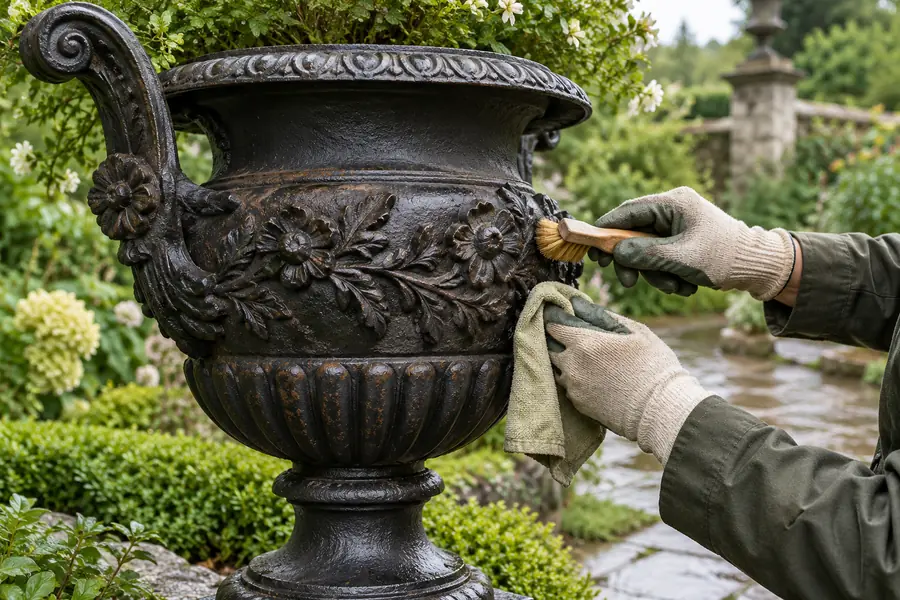
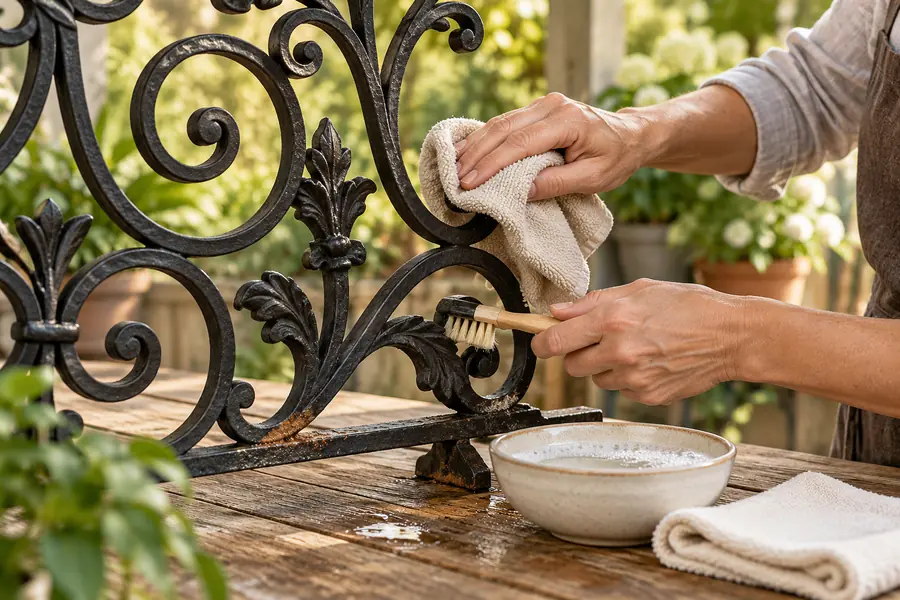
- Gentle Cleaning Methods: Use a soft brush or a damp cloth to remove dust. For more stubborn dirt, a mild soap solution can be effective. Rinse thoroughly and allow them to air dry completely.
- Seasonal Storage Practices: For long-term outdoor displays, consider moving them indoors during periods of extreme weather. This practice significantly extends their useful life.
Can You Put Fake Flowers in a Cake for Decoration?
Are you considering decorating a cake with artificial flowers and wondering about the safety and practicality? While real flowers can wilt or carry pesticides, artificial flowers offer durability. However, concerns about food safety with fake materials are common. Knowing correct application methods is important.
Yes, artificial flowers can be used on a cake for decoration, provided strict food safety measures are followed. A protective barrier must always be placed between the flower stems and the cake. This prevents any non-food-safe materials or dyes from contaminating edible parts. Using artificial flowers specifically labeled as food-grade is another option.
Many event decorators choose artificial flowers for cakes due to their consistent appearance and variety. Implementing proper safety protocols is essential. This often involves using clear floral picks or carefully wrapping stems to ensure no direct contact with the cake.
Addressing Food Safety Issues
Artificial flowers are generally not manufactured for direct food contact. They may contain dyes, glues, or materials unsuitable for consumption.
- Direct Contact Avoidance: Do not insert bare stems or any part of artificial flowers directly into the cake. This risks transferring harmful substances.
- Material Awareness: Be aware that certain artificial flower components, such as metals or plastics, may not be food-grade.
| Component | Food Safety Risk | Precaution |
|---|---|---|
| Stems | High | Use food-safe barriers (e.g., picks, tape). |
| Petals/Leaves | Moderate | Avoid direct contact with edible surfaces. |
| Dyes/Glues | High | Ensure complete isolation from the cake. |
Implementing Food-Safe Barriers
Establishing a barrier between artificial flowers and the cake is a critical step. This protects the cake from potential contamination.
- Floral Picks: These are small, food-grade plastic tubes or stakes. Insert the flower stem into the pick, then insert the pick into the cake.
- Floral Tape or Wraps: For larger arrangements, stems can be wrapped with food-safe floral tape. Plastic wrap can also be used. This effectively seals off any potentially harmful materials.
Selecting Artificial Flowers for Cake Decorating
Not all artificial flowers are equally suitable for cake decoration. Some characteristics make them more appropriate.
- Cleanliness: Before placing them near a cake, ensure flowers are clean and free of dust or debris.
- Non-Toxic Labeling: If available, choose artificial flowers that are specifically labeled as non-toxic. These are a safer option for cake decoration.
- Ease of Cleaning: Select flowers with smooth surfaces that are easy to wipe down. Avoid intricate designs that might trap dirt or debris.
How Long Do Fake Flowers Last Outside?
Are you curious about the longevity of artificial flowers when exposed to outdoor conditions? When investing in artificial floral arrangements for outdoor use, durability is a common concern. Understanding how long these decorations can maintain their aesthetic appeal before showing signs of fading or damage is important.
Artificial flowers can last from a few months to several years outdoors, depending on quality, material, and environmental exposure. High-quality, UV-resistant artificial flowers, with proper care, can endure multiple seasons. Conversely, cheaper, untreated options may show significant deterioration within one summer.
The lifespan of outdoor artificial flowers is highly dependent on initial product selection and subsequent care. Choosing premium materials and implementing protective measures can significantly extend their visual integrity and structural soundness.
Factors Influencing Lifespan
Several key factors determine the duration artificial flowers will remain viable outdoors. Recognizing these factors helps in making informed decisions.
- Material Quality: The type of plastic or fabric used is a major determinant. High-grade plastics, especially those with integrated UV inhibitors, offer greater longevity.
- UV Exposure Levels: Constant and direct sunlight is the most detrimental factor. It accelerates color fading and the breakdown of material structures.
- Weather Conditions: Extreme temperatures, heavy rainfall, and strong winds all contribute to wear and tear over time.
- Protective Measures Applied: The use of UV-protective sprays, strategic placement in sheltered areas, and consistent cleaning routines can markedly extend their life.
| Factor | Impact on Lifespan | Notes |
|---|---|---|
| High-Quality Material | Longer | Engineered for increased outdoor resilience. |
| Direct Sunlight | Shorter | Accelerates fading and material degradation. |
| Sheltered Spot | Longer | Minimizes exposure to harsh environmental elements. |
| No UV Protection | Shorter | Colors will fade rapidly. |
Expected Lifespan by Material Composition
Different materials provide varied levels of outdoor durability. This knowledge helps in setting realistic expectations for performance.
- Polyethylene (PE) or Silicone: These materials are generally robust and can last 1-3 years outdoors with appropriate care. They often possess inherent UV resistance.
- Treated Silk or Fabric: While aesthetically pleasing, these are typically less durable than plastics. With UV spray application, they might last 6 months to 1 year before significant fading or fraying occurs.
- Economical Plastics: These often show signs of fading and become brittle within a few months of continuous outdoor exposure.
Strategies for Maximizing Lifespan
To maximize the outdoor life of artificial flowers, a proactive approach to their care is advisable.
- Seasonal Rotation: If feasible, rotate artificial flowers. Bring them indoors during the most severe summer or winter months.
- Regular Inspection: Periodically check for any signs of wear, fading, or damage. Address any issues promptly.
- Appropriate Storage: When not in use, store them in a cool, dry place, away from direct sunlight. This ensures they are preserved for future use.
Can You Keep Fake Flowers Outside?
Are you considering artificial flowers for your outdoor decor but are uncertain about their endurance in external environments? The appeal of low-maintenance beauty is strong, but concerns often arise regarding their ability to withstand the elements permanently. You might question if they will last or quickly become unsightly.
Yes, artificial flowers can be kept outside, especially if they are designed for outdoor use and properly maintained. To ensure their longevity, select UV-resistant and weather-durable materials. Applying protective sprays and placing them in areas with some shelter from extreme weather conditions is also recommended. Regular cleaning helps preserve their appearance.
The successful long-term outdoor display of artificial flowers depends on making informed choices regarding product quality and implementing consistent care. Selecting items specifically manufactured for outdoor conditions is a foundational step for sustained beauty.
Selecting Appropriate Artificial Flowers
The efficacy of keeping artificial flowers outdoors largely depends on the initial selection of products. Not all artificial flowers are designed for prolonged outdoor exposure.
- Outdoor-Specific Labeling: Prioritize products explicitly labeled as "outdoor safe" or "UV resistant." These are manufactured with specific dyes and materials for durability.
- Material Verification: Polyethylene (PE) and certain treated plastics or silks demonstrate superior performance for outdoor applications. Avoid untreated fabrics for long-term outdoor use.
- Construction Quality: Well-constructed flowers, featuring sturdy stems and securely attached petals, will better withstand wind and general handling.
| Feature | Outdoor Suitability | Benefits for Outdoor Use |
|---|---|---|
| UV-Resistant | High | Prevents color degradation, maintains vibrancy. |
| Weather-Durable | High | Resists damage from precipitation, wind, and temperature shifts. |
| Food-Safe (for cakes) | High | Crucial for direct cake contact, prevents contamination risk. |
| Realistic Texture | High | Enhances visual appeal, particularly for close examination. |
Optimizing Placement for Durability
The location where artificial flowers are placed outdoors can significantly influence their lifespan.
- Partial Shade Conditions: While UV-resistant, placing them in partial shade further extends their life by reducing intense direct sun exposure.
- Sheltered Locations: Areas under an overhang, a porch, or nestled within dense garden beds offer protection from strong winds and heavy rainfall.
- Avoid Irrigation Systems: Keep artificial flowers away from areas where they will be continually soaked by automatic sprinkler systems. This helps prevent water spots and potential mold growth.
Establishing a Maintenance Routine
Even high-quality artificial flowers require some care when left outdoors. A simple, consistent routine helps preserve their appearance over time.
- Monthly Cleaning: Gently wipe down or rinse the flowers to remove accumulated dust, pollen, and environmental debris.
- Quarterly UV Reapplication: If using UV-protective sprays, reapply them approximately every 3-4 months, especially during seasons with high sun exposure.
- Seasonal Condition Checks: At the start of each new season, inspect the flowers for any signs of damage, fading, or wear. Address or repair issues as needed.
My insights: Are Artificial Flowers the Secret to Outdoor Cake Success?
Leading Paragraph: Planning an outdoor cake display? Don’t let wilting flowers or food safety concerns ruin your vision. Artificial flowers offer a durable and stunning solution!
Snippet Paragraph: Yes, cakes with artificial flowers are highly suitable for outdoor display, provided crucial food safety and weather protection precautions are taken. Using UV-resistant, food-safe methods for securing flowers ensures your cake remains beautiful and safe, making them a superior choice over fresh flowers for outdoor events.
Ensuring a Safe and Stunning Outdoor Cake Display
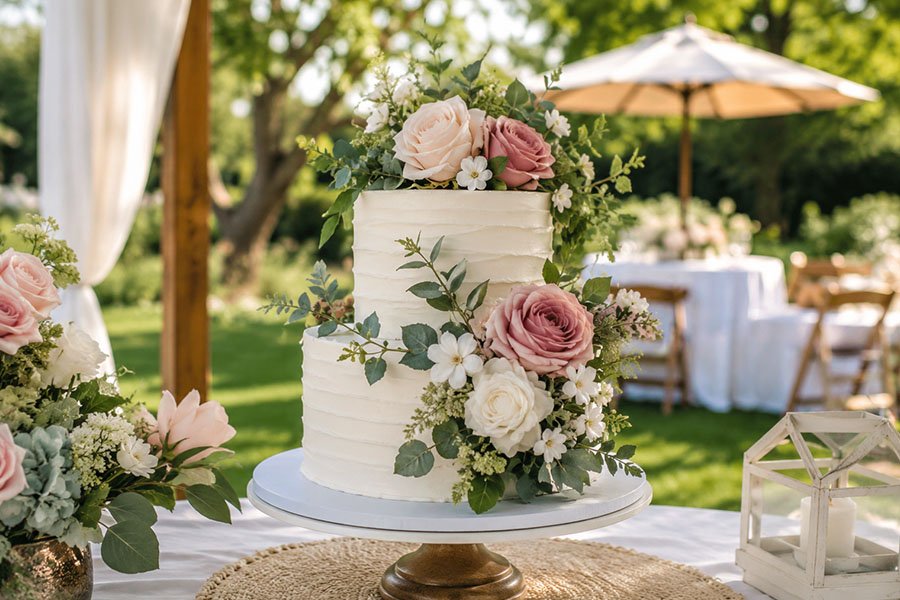
When decorating cakes with artificial flowers for outdoor events, the primary considerations revolve around maintaining food safety and protecting the cake and decorations from environmental elements.
Prioritizing Food Safety with Artificial Flowers
While artificial flowers eliminate the concerns of pesticides and toxins found in some fresh flowers, they are not inherently food-safe. It’s critical to create a barrier between the flowers and the edible cake.
- Stem Isolation Techniques:
- Barrier Wrapping: Thoroughly wrap flower stems with food-safe floral tape, plastic wrap, or aluminum foil before inserting them.
- Straw Method: Insert stems into plastic or boba straws, then place the straws into the cake.
- Sealing: Dip stems in melted white chocolate or beeswax to create a protective seal.
- Hygiene: Always clean artificial flowers with soapy water and dry them completely to remove any dust or debris.
- Pre-Serving Removal: To be absolutely safe, remove artificial flowers and any cake portions they directly touched before serving. Alternatively, consider a "cake meadow" design where flowers adorn the base rather than the cake itself.
Protecting Your Cake and Flowers from the Elements
Outdoor conditions can quickly compromise a cake and its decorations. Strategic planning is key to a successful display.
- Flower Selection:
- UV Resistance: Choose artificial flowers labeled "UV-resistant," "weatherproof," or "outdoor-safe" to prevent fading and material degradation under direct sunlight.
- Material Durability: Avoid delicate materials that can be easily damaged by moisture or heat. Opt for waterproof varieties if rain or high humidity is anticipated.
- Display Environment:
- Shade is King: Always display the cake in a shaded area to prevent colors from fading, lower-quality materials from melting, and the cake itself from spoiling.
- Wind Protection: Secure the cake stand with weights (e.g., stones) and firmly anchor flowers using floral foam or adhesive to prevent them from being dislodged by wind.
- Temperature Control: Limit outdoor display time, especially when temperatures exceed 85°F (29°C), as extreme heat can warp plastic elements and melt fabric petals.
- Moisture Shield: If rain or heavy dew is a possibility, consider using a protective covering or moving the cake indoors.
Cake-Specific Considerations for Outdoor Events
The type of cake and its construction also play a role in its outdoor resilience.
- Frosting Choice: Buttercream or fondant are more stable in warmer temperatures than whipped cream, which can melt quickly.
- Structural Stability: Place the cake on a heavy, stable stand to prevent accidental tipping.
- Backup Plan: Always have backup flowers or a contingency plan in case of unexpected damage during transport or setup.
Conclusion
Artificial flowers on cakes can be a beautiful choice for outdoor events. With proper protection from environmental factors and careful adherence to food safety, they offer lasting aesthetic appeal. Select high-quality materials, ensure secure placement, and enjoy their vibrant contribution.