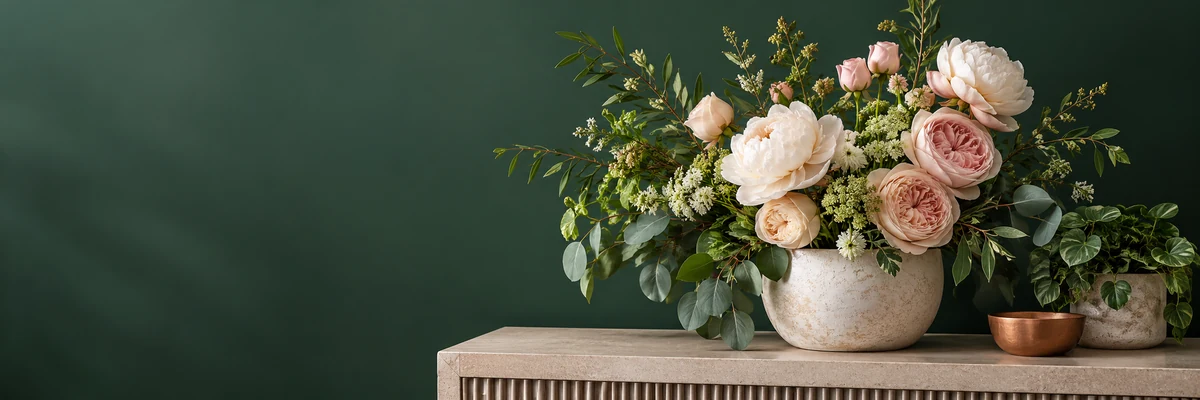

Are you wondering if artificial flowers can truly be cleaned to restore their appearance? Despite their synthetic nature, artificial flowers accumulate dust and grime over time. This can diminish their aesthetic appeal and make them look faded or neglected if not properly addressed.
Artificial flowers can be effectively cleaned, and the method depends largely on their material. Most types can be gently dusted or wiped, while others can withstand a more thorough wash with mild soap and water. Regular cleaning helps to remove accumulated dirt, restoring their original vibrancy and extending their decorative lifespan.
Maintaining the beauty of artificial floral arrangements is essential for any décor. Proper care ensures these pieces continue to enhance spaces with their enduring charm. Understanding suitable cleaning techniques for different materials allows for effective preservation, keeping them looking fresh and realistic for extended periods.
What is the easiest way to clean artificial flowers?
Do you notice a layer of dust dulling the vibrant colors of your artificial flowers? Accumulated dust is a common issue that detracts from the realism and freshness of faux floral arrangements. Ignoring this build-up can make them appear old and neglected, reducing their overall visual impact.
The easiest way to clean artificial flowers involves straightforward, gentle methods designed to remove surface dust and light dirt. For most arrangements, regular dusting or a quick wipe-down is sufficient to refresh their look. These simple maintenance practices help to preserve their pristine condition and aesthetic contribution to any setting.
Selecting the right cleaning method is crucial for preserving the quality and appearance of artificial flowers. Different materials require different approaches to avoid damage while effectively removing dust. Implementing a regular, gentle cleaning routine can significantly extend their visual appeal and longevity.
Simple Dusting Techniques
- Feather Duster: Use a soft feather duster for routine, light cleaning. Gently glide it over petals, leaves, and stems to dislodge loose dust particles. This method is ideal for frequent maintenance on lightly soiled arrangements.
- Soft Brush: A clean, soft-bristled brush, such as a paintbrush or a dedicated dusting brush, can reach into intricate parts of the flowers. This is particularly effective for detailed designs or areas that are difficult to access.
- Hair Dryer (Cool Setting): Set a hairdryer to its coolest and lowest fan speed. Hold it at a safe distance from the flowers and use short bursts of air to blow away dust. Ensure the air remains cool to prevent any heat-related damage to delicate materials.
Wiping and Spraying Approaches
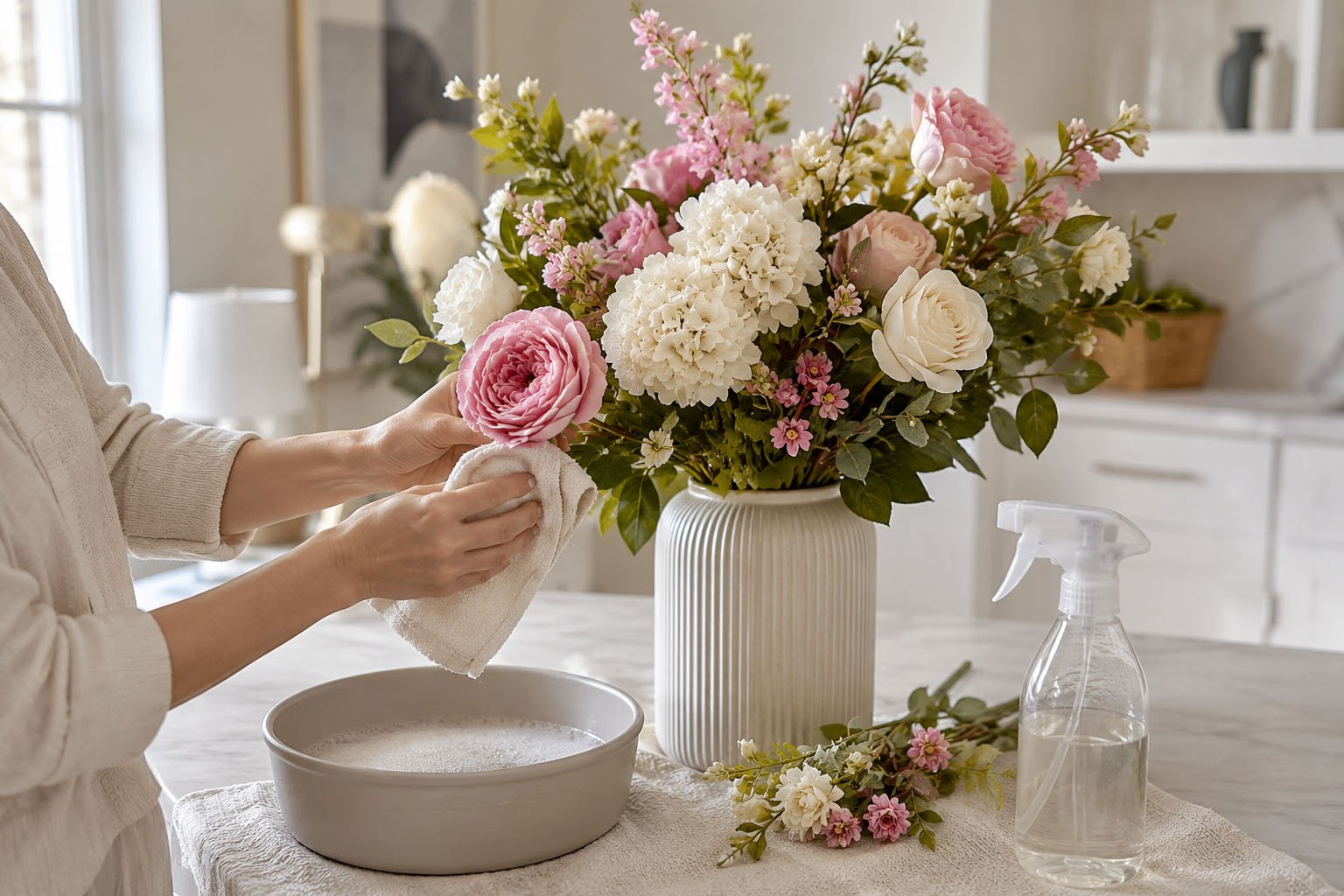
- Damp Cloth: Lightly dampen a microfiber cloth with water. Gently wipe down sturdy leaves and petals. Avoid saturating the cloth and be careful not to rub vigorously, especially on painted or delicately colored surfaces, to prevent smudging.
- Commercial Dusting Spray: Utilize dusting sprays specifically designed for artificial plants. Apply a light mist from the recommended distance and then wipe with a clean, dry cloth. Always test the spray on a small, inconspicuous area first to ensure compatibility.
- Compressed Air: For very delicate flowers, intricate details, or hard-to-reach crevices, a can of compressed air provides an effective solution. Use short, controlled bursts to dislodge dust without direct physical contact, which is ideal for preserving fragile components.
| Method | Primary Use | Frequency | Advantages | Considerations |
|---|---|---|---|---|
| Feather Duster | Loose dust, routine cleaning | Daily/Weekly | Fast, easy, no moisture involved | May not remove adhered dirt |
| Damp Cloth | Mild dust, light grime on surfaces | Bi-weekly | Provides a deeper clean, can add sheen | Avoid excess water, potential for color transfer |
| Hair Dryer | Delicate parts, intricate shapes | Monthly | Non-contact, preserves shape | Use cool air only, maintain distance |
| Compressed Air | Fine details, hard-to-reach areas | As needed | Precise dust removal, minimal effort | Hold upright, avoid direct blasts at close range |
How do you make fake flowers look new again?
Have your artificial flowers lost their original luster, appearing dull or dirty despite routine dusting? Over time, faux flowers can accumulate stubborn dirt, develop a faded appearance, or even lose their shape, making them look worn out. This diminishes their realistic appeal and the overall elegance of your décor.
Making fake flowers look new again often involves more than simple cleaning; it requires deeper restoration techniques to address ingrained dirt and structural issues. By employing thorough cleaning methods and revitalizing treatments, their original freshness and vibrancy can be largely restored. This helps them regain their pristine appearance and continue to enhance any environment.
Restoring the pristine look of artificial flowers is essential for maintaining a polished aesthetic. Different materials and types of degradation necessitate specific revitalization strategies. Understanding these techniques allows for effective rejuvenation, extending the life and visual quality of the floral arrangements.
Deep Cleaning Procedures
- Mild Soap Bath: For artificial flowers made of sturdy plastic, rubber, or certain durable silks, prepare a basin with lukewarm water and a small amount of mild dish soap. Submerge the flowers and gently swish them to loosen dirt. Rinse thoroughly under cool, running water until all soap residue is gone. Allow them to air dry completely.
- Vinegar Spray Solution: Mix equal parts white vinegar and water in a spray bottle. Lightly mist fabric artificial flowers. The vinegar helps to break down grime and can gently brighten colors. After spraying, blot gently with a clean, soft cloth. Always perform a spot test on an inconspicuous area first.
- Salt or Cornmeal Agitation: For delicate fabric artificial flowers that cannot be wet, place them in a large paper bag with about a cup of coarse salt or cornmeal. Gently shake the bag for one to two minutes. The abrasive action helps to lift and absorb dust and dirt. Remove the flowers and gently shake off any remaining particles.
Revitalizing Appearance and Form
- Steam Reshaping: For fabric petals that have become crushed or wrinkled, carefully hold them over a steaming pot of water for a few seconds. The steam helps to relax the fabric fibers, allowing petals to be gently reshaped by hand. Avoid direct contact with boiling water and do not over-wet the flowers.
- Fabric Softener Mist: Create a diluted solution of liquid fabric softener and water in a spray bottle. Lightly mist fabric petals. This can help to reduce static electricity, making them less prone to attracting dust, and may impart a subtle refreshed feel to the fabric.
- Light Hairspray Application: For certain plastic or silk flowers, a very fine mist of light-hold hairspray can add a subtle protective layer and a gentle sheen. Apply from a distance to avoid stickiness and test on a hidden spot first.
Comprehensive Restoration Steps
- Initial Dust Removal: Begin by removing all loose dust and surface dirt using a duster or soft brush.
- Select Cleaning Method: Choose the deep cleaning method best suited for the flower’s material (soap bath, vinegar spray, or salt shake).
- Perform Deep Clean: Execute the chosen cleaning method carefully, ensuring gentle handling throughout the process.
- Rinse (if applicable): If soap or vinegar was used, rinse thoroughly to eliminate all residue.
- Dry Completely: Lay the flowers on a clean towel or hang them in a well-ventilated area until they are completely dry. Ensure no moisture remains to prevent water spots or mildew.
| Material Type | Deep Cleaning Method | Special Considerations | Outcome |
|---|---|---|---|
| Plastic/Rubber Flowers | Mild dish soap and water bath | Thorough rinsing is crucial, air dry fully | Removes deep grime, restores original sheen |
| Durable Silk/Fabric | Vinegar spray or gentle hand wash | Blot dry, reshape while slightly damp | Brightens colors, removes odors, freshens fabric |
| Delicate Silk/Fabric | Salt or Cornmeal agitation | Ensure all abrasive particles are removed | Lifts dust without wetting delicate materials |
| Wrinkled Petals | Steam treatment | Apply steam briefly, reshape gently | Restores natural petal shape and drape |
How long should you keep artificial flowers?
Do you ever question the lifespan of your artificial flower arrangements, wondering if they remain perpetually suitable for display? While highly durable, artificial flowers are not immune to degradation over time. Factors like prolonged exposure to light and environmental conditions can cause them to fade, fray, or accumulate irreparable damage, impacting their aesthetic value.
Artificial flowers should be kept as long as they retain their visual appeal and effectively contribute to the desired aesthetic of a space. High-quality artificial flowers, with proper care, can last for many years. Regular assessment of their condition is important. When they show significant signs of wear, fading, or damage that cannot be remedied, it indicates that replacement may be necessary to maintain décor standards.
The longevity of artificial flowers is influenced by several factors, including their manufacturing quality, exposure to environmental stressors, and the level of care they receive. Understanding these elements helps in determining when an arrangement has reached the end of its optimal display life. This knowledge enables informed decisions about maintenance or replacement, ensuring continuous aesthetic quality.
Factors Affecting Durability
- Material Quality: Artificial flowers crafted from premium-grade materials, such as high-quality silks, plastics, and rubbers, generally exhibit greater resistance to wear, tear, and fading compared to those made from cheaper alternatives.
- Environmental Exposure: Direct and prolonged exposure to sunlight is a primary cause of color fading in artificial flowers. High humidity levels can also affect certain fabric materials, while exposure to dust and pollutants contributes to grime buildup.
- Handling Frequency: Arrangements that are frequently moved, adjusted, or handled tend to show signs of wear, such as bent stems or frayed petals, more quickly than those left undisturbed. Gentle handling helps preserve their structure.
- Maintenance Practices: Consistent and appropriate cleaning routines prevent the accumulation of damaging dust and dirt. Proper storage when not in use also protects flowers from physical damage and environmental factors.
Indicators for Replacement
- Significant Color Fading: If the original vibrant colors of the flowers have noticeably dulled or changed, they will no longer provide the intended aesthetic impact and may appear tired.
- Irreparable Physical Damage: Visible signs such as broken stems, torn leaves, frayed fabric edges, or permanent crushing that cannot be reshaped indicate that the flowers are beyond simple repair.
- Persistent Grime and Stains: If artificial flowers have accumulated stubborn dirt or stains that do not respond to thorough cleaning efforts, their appearance will remain compromised.
- Outdated Aesthetic: Interior design and floral trends evolve. If an artificial arrangement’s style or color scheme no longer complements the current décor or appears dated, updating it can refresh the entire space.
Strategies for Extending Lifespan
- Strategic Placement: Position artificial flowers away from direct sunlight and areas with high traffic to minimize fading and physical damage.
- UV Protective Sprays: For arrangements exposed to some sunlight, applying a UV-protective spray can help delay color degradation. These sprays create a barrier against harmful UV rays.
- Conscious Handling: Always handle artificial flowers gently when moving, cleaning, or arranging them to prevent bending, breaking, or fraying.
- Optimal Storage: When not on display, store artificial flowers in clean, dry, and dark conditions. Use appropriate containers that prevent crushing and protect them from dust and pests.
| Condition Signaling Replacement | Description | Consequence for Décor |
|---|---|---|
| Severe Color Loss | Hues are significantly diminished or unevenly faded | Arrangement appears old, lacking vibrancy |
| Extensive Material Degradation | Fabric tears, brittle plastic, permanent distortions | Detracts from realism, looks unprofessional |
| Irremovable Environmental Stains | Stains from pollutants, mold, or sun-damage | Cannot be cleaned to satisfactory standard |
| Stylistic Obsolescence | Design no longer aligns with current interior trends | Makes the surrounding space feel dated |
What can you put on artificial flowers to make them shine?
Are your artificial flowers lacking their original brilliance, appearing dull or lackluster over time? Dust accumulation and general environmental exposure can strip away their initial sheen, making them look less vibrant and realistic. This loss of shine can diminish the overall appeal of the floral display.
Various gentle products can be applied to artificial flowers to restore their shine and refresh their appearance. Effective options include commercial floral shine sprays, a light mist of hairspray, or diluted fabric softener. These treatments help to rejuvenate the surface, repel dust, and enhance the overall realistic and appealing look of the arrangements.
Restoring shine to artificial flowers is a simple yet impactful way to enhance their visual quality. The choice of product depends on the flower’s material and desired finish. Proper application ensures a renewed luster without causing damage or attracting excessive dust, thereby maintaining their aesthetic contribution.
Products for Enhancing Shine
- Commercial Silk Flower Cleaner and Shine Sprays: These specialized products are formulated specifically for artificial flowers. They typically clean the surface and leave a protective, glossy, or satin finish that repels dust and enhances vibrancy. Always adhere to the manufacturer’s instructions for best results.
- Light-Hold Hairspray: A very fine, distant mist of regular light-hold hairspray can impart a subtle sheen to plastic or durable silk flowers. It also helps to create a slightly static-resistant barrier, reducing dust attraction. Apply from a distance of about 12 inches to prevent stickiness or a heavy residue.
- Diluted Fabric Softener Solution: Mix one part liquid fabric softener with four parts water in a spray bottle. Lightly mist fabric petals. This solution can help to soften the fabric, reduce static cling, and add a very gentle, subtle sheen. Test on an inconspicuous area first.
- Lemon Oil or Furniture Polish (for non-fabric materials): For artificial flowers made primarily of plastic or rubber, a tiny amount of lemon oil or a non-abrasive furniture polish applied with a soft cloth can restore a glossy finish. Wipe gently and ensure no residue is left. This method is unsuitable for fabric components.
Application Guidelines for Optimal Shine
- Pre-Clean Thoroughly: Before applying any shine product, ensure the artificial flowers are completely clean and free of dust. Applying shine products over dirt will trap the grime and produce an undesirable outcome.
- Always Perform a Spot Test: Prior to full application, test the chosen product on a small, hidden section of a petal or leaf. This step is critical to confirm compatibility and prevent potential discoloration, damage, or unwanted texture changes.
- Apply Sparingly: Use products in minimal amounts. Over-application can lead to a sticky finish, which will attract more dust and might also damage delicate materials. A light, even coating is generally sufficient.
- Allow for Complete Drying: After applying any shine product, allow the artificial flowers ample time to dry fully in a well-ventilated area before returning them to display. This prevents tackiness and ensures the finish sets properly.
Tailoring Shine to Material Finish
- Matte Finish Preference: If the artificial flowers are designed to have a natural, matte appearance, avoid products that impart a high gloss. Instead, focus on thorough cleaning and perhaps a gentle steam treatment to restore their natural texture without adding artificial shine.
- Satin Finish Enhancement: For flowers with a subtle, satin-like finish, a diluted fabric softener mist or a specialized silk flower spray can enhance this gentle sheen without making them overtly shiny.
- High Gloss Restoration: Plastic or rubber flowers that originally had a glossy finish can benefit significantly from lemon oil or specific shine sprays, which help restore their reflective quality effectively.
| Shine Product | Best Suited Material | Application Technique | Key Benefits | Important Caveat |
|---|---|---|---|---|
| Commercial Shine Spray | All types | Light, even mist | Restores luster, dust repellent | Follow product directions precisely |
| Light-Hold Hairspray | Plastic, Sturdy Silk | Fine mist from a distance | Adds subtle gloss, reduces static | Use sparingly, avoid sticky build-up |
| Diluted Fabric Softener | Fabric, Silk | Gentle mist, blot dry if needed | Softens fabric, mild sheen, static reduction | Test first, ensure full drying |
| Lemon Oil/Furniture Polish | Plastic, Rubber only | Applied with soft cloth, wipe | High gloss restoration, cleaning properties | Not for fabric, avoid painted details |
My Insights: Can Artificial Flowers Be Washed?
Are your artificial flowers looking dull and dusty? Don’t toss them! Many can be revived with a simple wash, making them look fresh and vibrant again.
Yes, most artificial flowers can be washed, but the method depends on their material. Durable plastics and polyesters tolerate gentle washing with cool water and mild soap, while delicate silk or paper flowers should only be spot-cleaned or dusted to prevent damage, color fading, or deformation.
Understanding the Nuances of Cleaning Artificial Flowers
Cleaning artificial flowers isn’t a one-size-fits-all task; it requires understanding the materials and construction involved. The key is to assess the flower’s components before attempting any wet cleaning to prevent irreversible damage.
Material Matters: What Can and Cannot Be Washed?
The primary determinant for washing artificial flowers is their material composition.
| Material Type | Washable? | Recommended Cleaning Method | Cautions |
|---|---|---|---|
| Plastic/Latex | Yes | Gentle rinse with cool water and mild soap. | Avoid hot water, which can deform plastic. |
| Polyester/Fabric | Yes | Gentle swirling in cool, soapy water; brief soaking if manufacturer permits. | Do not scrub; check for colorfastness beforehand. |
| Silk/Paper | No | Spot clean with a damp cloth, dust with a soft brush or cool hairdryer. | Soaking will damage material, fade colors, and loosen glue. |
| Embellished (Glitter, Glue) | No | Dusting or very gentle spot cleaning. | Water will dissolve glue and wash off glitter. |
Best Practices for a Gentle Clean
Even for washable materials, a gentle approach is crucial. Always start by dusting to remove loose particles. For wet cleaning, use cool or lukewarm water and a small amount of mild dish soap. Hot water can break down adhesives, deform petals, or cause colors to bleed.
Step-by-Step Gentle Washing:
- Dust First: Use a feather duster, microfiber cloth, or cool hairdryer.
- Spot Test: On an inconspicuous area, test soapy water for color bleeding.
- Prepare Solution: Mix 1 teaspoon of mild dish soap per cup of cool water.
- Gentle Wash: Dip flowers briefly (15-30 seconds) and swirl gently. Do not scrub.
- Rinse: Rinse under cool, distilled water to prevent mineral spots, especially for plastic.
- Dry Thoroughly: Lay flat or hang in a well-ventilated area away from direct sunlight. Pat wire stems dry to prevent rust.
Regular dusting significantly reduces the need for deep cleaning, prolonging the life and realistic appearance of your artificial floral arrangements.
Conclusion
Artificial flowers are indeed washable, and consistent cleaning is vital for their prolonged aesthetic appeal. Employing appropriate dusting methods, deeper cleaning processes, and shine-enhancing treatments effectively revitalizes their appearance. This diligent care ensures artificial flowers maintain their beauty and contribute positively to any decorative setting for years.