
A bride’s bouquet is a central part of her wedding day. It reflects personal style and the overall theme. Choosing the right flowers is key for a memorable event.
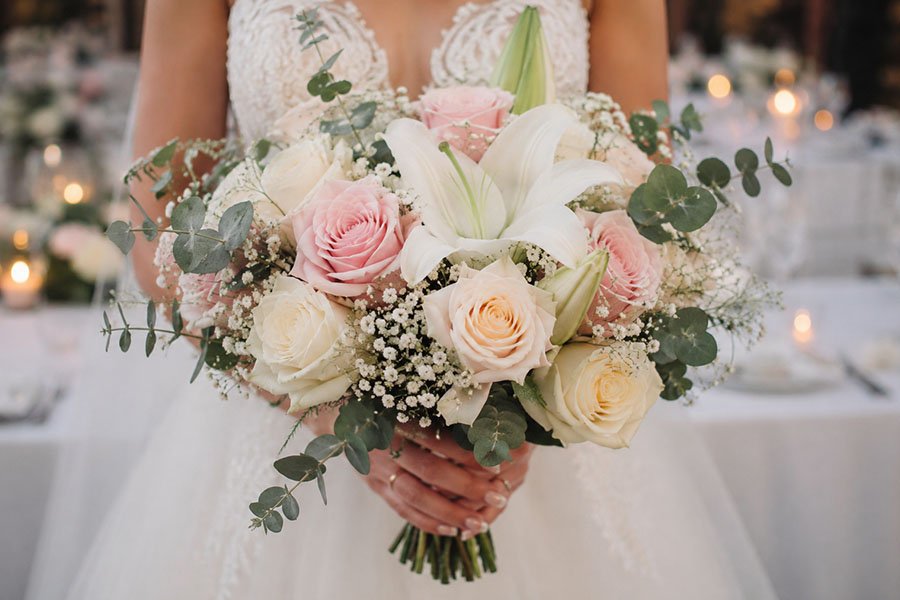
A typical bridal bouquet features a selection of classic and symbolic flowers such as roses, lilies, and baby’s breath. These choices are often based on their aesthetic appeal, cultural significance, and ability to complement the wedding’s color scheme and atmosphere.
The selection of flowers for a bridal bouquet is a thoughtful process. It involves balancing tradition with modern preferences. The right floral arrangement enhances the visual appeal of the wedding. Let us explore the diverse elements that make up these important bouquets.
What Are the 5 Words to Describe Flowers?
Selecting effective words to describe flowers helps to convey their beauty and characteristics. It allows for a clearer appreciation of their qualities. Which five words best capture the essence of flowers?
Five apt words to describe flowers are vibrant, delicate, fragrant, elegant, and timeless. These terms encapsulate various attributes, from their vivid colors and subtle textures to their appealing scents and enduring aesthetic value, aiding in a comprehensive description.
These descriptive words enable a deeper connection with the natural beauty and emotional impact of flowers. They assist in articulating the diverse qualities observed in different blooms. Understanding these terms helps in both appreciating and selecting flowers for various purposes.
The Significance of Descriptive Vocabulary
These descriptive terms are important as they highlight distinct aspects of floral beauty and function. They provide a framework for understanding and discussing flowers.
- Vibrant: This term refers to flowers with bright, lively colors. It suggests energy and visual appeal. Vibrant flowers can serve as a focal point in any arrangement.
- Delicate: This word describes the fragile and refined nature of petals. It implies grace and a need for careful handling. Delicate flowers often add a soft touch to arrangements.
- Fragrant: This term denotes flowers that emit a pleasing scent. It engages the sense of smell, adding another dimension to their appeal. Fragrant blooms can enhance the ambiance of a space.
- Elegant: This word is used for flowers that exhibit grace and refined beauty. It suggests a classic and sophisticated appearance. Elegant flowers are often chosen for formal settings.
- Timeless: This term describes flowers that possess a classic beauty enduring through different eras. They maintain widespread appeal and often carry significant symbolic meaning.
Influence of Word Choice on Floral Selection
The choice of descriptive words can guide the selection of flowers for specific occasions. For example, a request for "vibrant" flowers might lead to selections like sunflowers, while "delicate" might suggest cherry blossoms.
| Descriptor | Common Flower Examples | Associated Impression |
|---|---|---|
| Vibrant | Sunflower, Gerbera Daisy | Lively, Energetic |
| Delicate | Baby’s Breath, Cherry Blossom | Gentle, Refined |
| Fragrant | Rose, Jasmine | Pleasing, Evocative |
| Elegant | Calla Lily, Orchid | Sophisticated, Graceful |
| Timeless | Rose, Tulip | Classic, Enduring |
These terms provide a shared vocabulary for discussing floral preferences with clients. This shared understanding streamlines the selection process and helps in achieving desired aesthetic outcomes for various events.
What Flowers Are in a Bridal Bouquet?
The bridal bouquet serves as a significant visual element in a wedding ceremony. It is often a focal point that complements the bride’s attire. Which types of flowers are commonly featured in a bridal bouquet?
A bridal bouquet frequently includes popular choices such as roses, peonies, and hydrangeas, selected for their beauty and symbolic resonance. Other common additions are lilies, tulips, and freesias, often complemented by various types of greenery. The final selection typically aligns with the wedding season, theme, and the bride’s personal aesthetic preferences.
The flowers chosen for a bridal bouquet carry both aesthetic and symbolic weight. The careful selection process ensures that the bouquet harmonizes with the overall wedding design. Understanding typical flower choices can assist in planning and execution.
Traditional and Popular Floral Selections
Certain flowers consistently appear in bridal bouquets due to their beauty, availability, and historical associations with weddings. These flowers are often chosen for their timeless appeal.
- Roses: A perennial favorite, roses symbolize love and beauty. Available in a wide range of colors, each carrying distinct meanings (e.g., white for purity, red for passion), they are versatile for various themes.
- Peonies: These lush, full-bodied flowers are popular during spring and early summer. They symbolize prosperity and a happy marriage, adding a romantic and opulent touch to any bouquet.
- Hydrangeas: Known for their large, spherical blooms, hydrangeas signify heartfelt emotions. They come in colors like blue, white, pink, and purple, providing significant volume and texture to bouquets.
- Lilies: Elegant and striking, lilies generally represent purity and refined beauty. Calla lilies are particularly favored for their sleek, trumpet-like form, suitable for modern arrangements.
- Baby’s Breath: Often used as a filler flower, baby’s breath adds a delicate, airy texture. It symbolizes everlasting love and innocence, enhancing the overall softness of a bouquet.
- Eucalyptus: This type of greenery is frequently incorporated for its distinctive silver-green foliage and subtle aroma. It provides a modern and often rustic element, adding texture and depth.
Factors Influencing Bridal Bouquet Flower Choices
Selecting flowers for a bridal bouquet involves considering several practical and aesthetic factors to ensure the final arrangement is suitable and visually appealing.
| Factor | Key Considerations |
|---|---|
| Seasonal Availability | Flowers are best when in season, ensuring freshness and cost-effectiveness. |
| Wedding Theme | Flowers should align with the overall style (e.g., rustic, classic, modern). |
| Color Palette | The chosen blooms must complement the wedding’s established color scheme. |
| Symbolic Meanings | Many flowers carry specific meanings that can add personal significance. |
| Durability | Flowers must withstand the duration of the wedding day without wilting. |
| Budget Constraints | The cost of certain flowers can vary widely; budgeting is important. |
Careful consideration of these factors contributes to creating a bridal bouquet that is not only beautiful but also meaningful and enduring throughout the wedding celebrations. This detailed approach ensures client satisfaction and a visually cohesive event.
What Are Some Adjectives to Describe a Bouquet of Flowers?
A bouquet of flowers conveys emotion and aesthetic appeal through its collective arrangement. Describing its overall impression requires specific adjectives. Which words best characterize a complete bouquet?
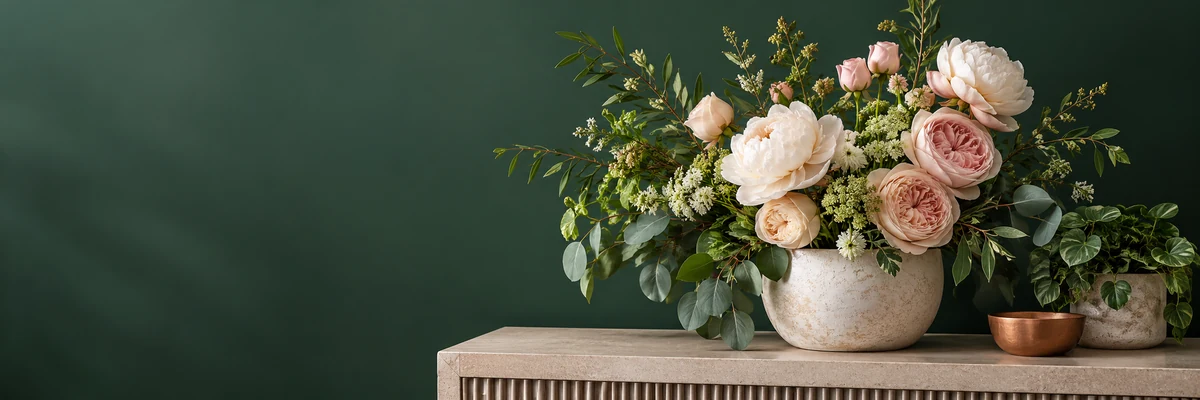
A bouquet of flowers can be effectively described as stunning, elegant, vibrant, romantic, and breathtaking. These adjectives capture the comprehensive beauty and emotional impact of the arrangement. Additional terms like fresh, delicate, and lush further detail its visual and tactile qualities, contributing to its memorability.
Descriptive adjectives are crucial for articulating the unique presence and emotional resonance of a flower bouquet. They allow for a more nuanced appreciation of its artistic composition. Each bouquet presents a distinct visual narrative.
Broad Adjectives for Bouquet Impressions
When evaluating a bouquet as a whole, specific adjectives help to convey its immediate and lasting impression. These terms address its overall impact rather than individual components.
- Stunning: This adjective applies to bouquets that are exceptionally beautiful and command immediate attention. A stunning bouquet often becomes a focal point.
- Elegant: This describes a bouquet that exhibits grace, refinement, and classic style. Elegant bouquets are typically well-composed and sophisticated.
- Vibrant: This refers to bouquets featuring bright, lively colors that convey energy and cheerfulness. A vibrant bouquet often creates a celebratory atmosphere.
- Romantic: This describes a bouquet designed to evoke feelings of love and affection. Such bouquets frequently use soft colors and classic symbols of romance.
- Breathtaking: This adjective is used for bouquets whose beauty is so profound it inspires awe. A breathtaking bouquet leaves a lasting impression.
Detailed Adjectives for Bouquet Characteristics
Beyond broad impressions, specific adjectives can highlight particular qualities of a bouquet, focusing on its texture, condition, or arrangement style.
- Fresh: This indicates that the flowers are newly cut and in prime condition, appearing lively and crisp.
- Delicate: This describes a bouquet composed of soft, fine flowers that convey fragility and subtle beauty.
- Lush: This term is used for bouquets that are full, abundant, and rich in flowers and foliage, giving a sense of extravagance.
- Harmonious: This describes a bouquet where all elements—colors, shapes, and textures—are balanced and work together cohesively.
- Artistic: This indicates a bouquet that displays creative design and skilled arrangement, resembling a crafted work of art.
- Fragrant: This refers to a bouquet that emits a pleasant aroma, enhancing its appeal through the sense of smell.
The Bouquet as a Composite Design
Each bouquet is a testament to thoughtful design, where the interplay of color, form, and texture creates a unified aesthetic. Understanding these adjectives helps in both creation and appreciation.
| Adjective | Primary Focus | Perceived Impact |
|---|---|---|
| Stunning | Visual impact | Awe, Admiration |
| Elegant | Refinement, Style | Sophistication, Grace |
| Vibrant | Color intensity | Joy, Liveliness |
| Romantic | Emotional resonance | Love, Affection |
| Breathtaking | Overall grandeur | Wonder, Speechless |
The aim in floral design is often to create bouquets that are not merely attractive but also resonate emotionally and leave a memorable impression. Every element is carefully chosen to contribute to the desired effect.
What Are Some Adjectives Used to Describe a Flower?
A single flower possesses unique characteristics that contribute to its individual charm. Precise adjectives are necessary to convey these distinct features. Which words best describe an individual flower?
An individual flower can be described using adjectives such as exquisite, radiant, pristine, velvety, and captivating. These terms highlight its specific beauty, texture, and visual appeal. Additional descriptors like tender, vibrant, and delicate further articulate its unique attributes and aesthetic qualities.
Describing a single flower allows for a detailed appreciation of its form, color, and texture. These adjectives help in communicating the intricate beauty present in each bloom. Each flower exhibits distinct natural artistry.
Adjectives for Individual Floral Attributes
When focusing on a single flower, a range of adjectives can articulate its particular characteristics, from its physical state to its visual impact.
- Exquisite: This term refers to a flower that is exceptionally beautiful and finely detailed. An exquisite flower often displays intricate design and perfection.
- Radiant: This describes a flower that appears to glow or shine brightly, often due to its vivid color. A radiant flower captures light effectively.
- Pristine: This indicates a flower that is perfectly fresh, clean, and untouched. A pristine bloom appears flawless and new.
- Velvety: This describes the soft, smooth texture of certain petals, akin to velvet. It suggests a luxurious and gentle feel.
- Captivating: This means a flower that strongly attracts and holds attention. A captivating flower often has an intriguing appearance.
Detailed Adjectives for Specific Flower Features
More specific adjectives can be used to describe particular aspects of a flower, enhancing the richness of its description. These words address details like texture, growth, and scent.
- Tender: This describes petals that are soft, supple, and easily damaged, implying a gentle quality.
- Vibrant: This refers to the intense and lively colors of a flower, suggesting energy and vitality.
- Delicate: This means the flower has fine, fragile petals and a graceful structure, implying a subtle beauty.
- Fragrant: This describes a flower that emits a pleasing aroma, engaging the sense of smell.
- Lush: This describes a flower with numerous petals or a dense structure, giving a full and rich appearance.
- Symmetrical: This indicates a flower with a perfectly balanced and harmonious shape, showcasing natural order.
- Unfurling: This describes a flower that is in the process of opening, symbolizing growth and renewal.
- Resilient: This describes a flower that can withstand challenging environmental conditions, indicating strength.
The Individual Character of Each Bloom
Every single flower, even within the same species, possesses subtle variations that make it unique. These adjectives help in pinpointing and communicating those individual distinctions.
| Adjective | Primary Focus | Specific Quality Highlighted |
|---|---|---|
| Exquisite | Overall form | Refined beauty, intricacy |
| Radiant | Color, Luminosity | Brightness, captivating glow |
| Pristine | Condition | Freshness, flawless state |
| Velvety | Texture | Softness, luxurious feel |
| Captivating | Allure | Strong appeal, attention-grabbing |
A careful observation of each flower’s unique attributes allows for more precise descriptions. This detailed appreciation helps in understanding the diverse characteristics that make each bloom special.
My Insights: The Freshest Wedding Flower Trends
Problem: Overwhelmed by wedding flower choices? Agitate: You want your wedding flowers to be beautiful, trendy, and reflect your unique style without breaking the bank. Solve: Discover the top trends combining classic elegance with modern flair and sustainability.
The best wedding flower trends embrace both natural beauty and personalized artistry. From sculptural, asymmetrical arrangements and monochromatic palettes to sustainable, locally sourced blooms and dramatic statement installations, couples are seeking designs that are both visually impactful and uniquely their own. These trends prioritize movement, texture, and thoughtful color schemes to create truly memorable floral experiences.
My Insights: Decoding the Bridal Bouquet
Curious about the flowers in a bride’s bouquet? The endless variety can be confusing when trying to understand popular choices and their meanings. Discover the most common and symbolic blooms, allowing you to appreciate the artistry and sentiment behind each arrangement.
A bride’s bouquet is a deeply personal expression, typically featuring a curated selection of popular blooms like roses, peonies, and calla lilies, often complemented by textural greenery and delicate fillers such as baby’s breath. The specific flowers chosen depend on the wedding’s style, seasonal availability, color palette, and the bride’s individual taste, each contributing to the bouquet’s overall aesthetic and symbolic meaning.
Common Bridal Bouquet Flowers & Their Meanings
Selecting flowers for a bridal bouquet involves more than just aesthetics; it’s about weaving symbolism and personal preference into a beautiful statement piece. Understanding common choices helps appreciate the depth of each arrangement.
Classic & Romantic Choices
These flowers are timeless for a reason, offering enduring beauty and rich symbolism.
- Roses: The quintessential symbol of love and romance, available in a spectrum of colors, with white signifying purity and pink representing grace.
- Peonies: Known for their lush, full blooms, they symbolize romance, prosperity, and a happy marriage, making them a favorite for many brides.
- Calla Lilies: With their sleek, trumpet-like shape, they convey purity, beauty, and wedded bliss, perfect for a sophisticated look.
Modern & Textural Additions
Contemporary bouquets often incorporate elements that add movement, texture, and a touch of the unexpected.
- Ranunculus: Featuring delicate, layered petals, these flowers add charm and attractiveness with their vibrant hues.
- Eucalyptus & Greenery: Essential for adding depth, texture, and a natural, organic feel, balancing the floral elements.
- Orchids: Lending an exotic and luxurious touch, orchids symbolize love, beauty, and strength, ideal for a modern, elegant bouquet.
Fillers & Fragrance
These elements complete the bouquet, adding airiness, volume, and delightful scents.
- Baby’s Breath: A classic filler, its tiny white clusters symbolize everlasting love and innocence, providing a soft, ethereal quality.
- Hydrangeas: Large, lush clusters that add significant volume and symbolize heartfelt emotion and gratitude.
- Sweet Peas: Delicate and often fragrant, they represent blissful pleasure and new beginnings, adding a charming, ruffled touch.
| Flower Type | Popular Varieties/Colors | Key Characteristics | Common Symbolism |
|---|---|---|---|
| Roses | White, Pink, Red, Peach | Classic, varied bloom size | Love, Romance, Purity, Grace |
| Peonies | Soft Pink, White | Lush, full, ruffled petals | Romance, Prosperity, Happy Marriage |
| Calla Lilies | White, various colors | Sleek, trumpet-shaped | Purity, Beauty, Wedded Bliss |
| Ranunculus | Vibrant colors | Layered, paper-thin petals | Charm, Attractiveness, Romance |
| Eucalyptus | Silver Dollar, Seeded | Greenery, textural, often fragrant | Protection, Abundance, Renewal |
| Orchids | White, Pink, Purple | Exotic, elegant, long-lasting | Love, Luxury, Beauty, Strength |
| Baby’s Breath | White | Tiny clustered flowers, airy | Everlasting Love, Innocence |
| Hydrangeas | White, Blue, Pink, Purple | Large, lush clusters, adds volume | Heartfelt Emotion, Gratitude, Abundance |
| Sweet Peas | Pastel colors | Delicate, ruffled petals, often fragrant | Blissful Pleasure, Gratitude |
| Tulips | Various vibrant colors | Elegant, cup-shaped, early spring | Perfect Love, Deep Affection |
| Lily of the Valley | White | Tiny, bell-shaped blossoms, highly fragrant | Happiness, Purity, Return of Joy |
Choosing the right flowers allows a bride to create a bouquet that not only complements her wedding theme but also tells a personal story, making it a cherished element of her special day.
Conclusion
Describing flowers precisely, whether individually or as part of a bouquet, enhances our understanding and appreciation of their beauty. Using the right adjectives helps to effectively convey their characteristics, making floral communication more impactful.