

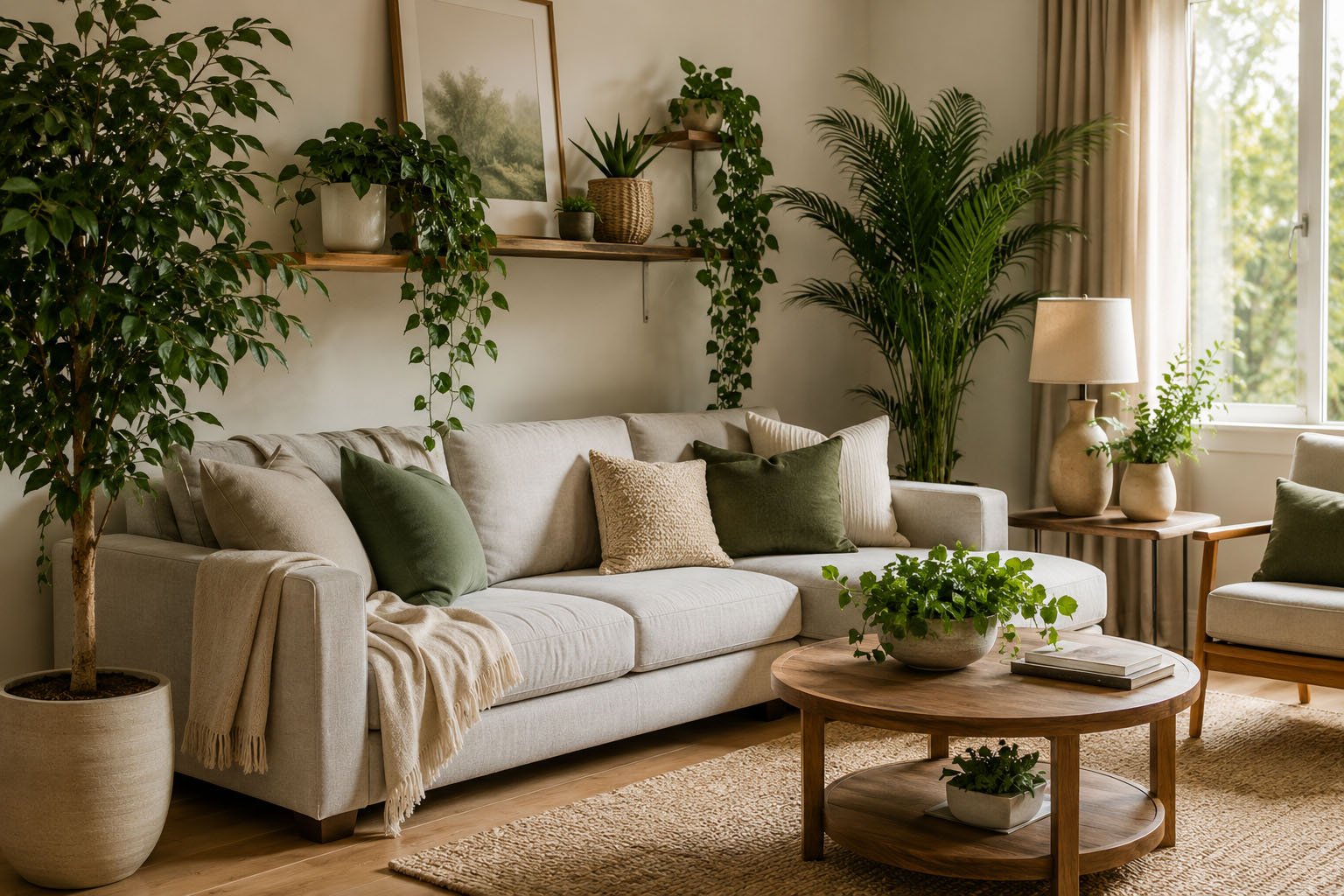
Choosing between real and artificial plants for home décor is a common question. Homeowners often seek to add greenery but face a dilemma about which option best fits their lifestyle and aesthetic.
Many individuals opt for a combination of real and artificial plants to adorn their homes. This allows them to leverage the advantages of both types, placing live plants where conditions are favorable and using artificial ones in less suitable environments. This method offers decorating flexibility.
The decision to use real or artificial plants in your home can be complex. You aim to create an inviting and beautiful space. Understanding the characteristics of each type of plant will help in making an informed choice for your living area.
Should I Put Real or Fake Plants in My Room?
Considering real or fake plants for your room involves evaluating various factors. This decision often depends on personal preferences, the room’s conditions, and the desired visual impact. Both options offer distinct benefits.
The most suitable choice between real and fake plants for a room hinges on individual lifestyle, environmental factors within the room, and aesthetic goals. Real plants provide natural benefits and beauty, while artificial plants offer visual appeal without the need for constant care.
When selecting plants, consider the specific environment of your room. For example, a room with low natural light may not support a real plant’s growth, making a high-quality artificial plant a practical solution. Conversely, a bright room is ideal for a live plant, which can also contribute to air quality. Assess light availability and your capacity for plant care.
Benefits and Drawbacks of Real Plants
Real plants contribute natural beauty and can improve indoor air quality. They also foster a connection with nature. However, they require consistent maintenance, including watering, light exposure, and sometimes fertilization. They can also attract pests.
| Aspect | Benefits | Drawbacks |
|---|---|---|
| Appearance | Authentic, changes naturally | Can wilt, drop leaves |
| Care | Needs water, light, occasional trimming | Requires consistent attention |
| Health | Air purification, mood enhancement | May attract pests, can cause allergies |
| Cost | Initial purchase, ongoing supplies | May need replacement if they die |
Benefits and Drawbacks of Artificial Plants
Artificial plants require no maintenance. They do not need light, water, or fertilizer, and they maintain their appearance year-round. This makes them suitable for busy individuals or challenging indoor conditions. However, poorly made artificial plants can look unrealistic.
| Aspect | Benefits | Drawbacks |
|---|---|---|
| Appearance | Consistent, always pristine | Can appear fake if quality is low |
| Care | No watering, no specific light needed | Requires periodic dusting |
| Health | No allergens, no pests | Does not purify air |
| Cost | One-time purchase, long-lasting | Quality items may have higher initial cost |
Consideration for Room Environment
Think about the conditions of your room when making a plant choice. Factors like sunlight, humidity, and temperature affect how well a plant will thrive. Matching the plant type to the environment ensures longevity and beauty.
- Light Levels: Assess natural light exposure throughout the day.
- Temperature Stability: Consider how consistent the room temperature is.
- Humidity: Some plants prefer humid environments; others need dry air.
- Airflow: Good air circulation can prevent mold and pests for real plants.
Can Houseplants Trigger Allergies?
Many people wonder if their indoor plants could be the cause of their allergy symptoms. It is a valid concern for individuals sensitive to various environmental triggers. Understanding how houseplants might affect allergies is important.
Yes, houseplants can potentially trigger allergies in some individuals due to pollen, mold in potting soil, or dust accumulation on leaves. However, many plant varieties are considered hypoallergenic, offering safe options for allergy sufferers.
Allergies are a significant issue for many. The main culprits from plants are often pollen and mold. Some plants release airborne pollen, which can lead to sneezing, itching, and watery eyes. Mold can also develop in damp soil, releasing spores that can cause allergic reactions. It is wise to consider personal sensitivities. For those with severe allergies, artificial plants can eliminate this risk entirely. Identifying which plants are less likely to cause a reaction is helpful.
Common Allergenic Houseplants
Certain plants are more prone to causing allergic reactions. These typically include plants that produce abundant airborne pollen or spores. Being aware of these can help prevent allergic episodes.
- Flowering Plants: Varieties like chrysanthemums, daisies, and sunflowers can release pollen.
- Ficus Species: The weeping fig (Ficus benjamina) may cause skin irritation or respiratory issues in sensitive people.
- Palms: Some palm varieties, such as Areca palms, can produce pollen indoors.
Hypoallergenic Houseplant Options
Many plants are known to be hypoallergenic, making them safer choices for most people, including those with allergies. These plants generally have heavy pollen that does not easily become airborne or produce minimal pollen.
- Snake Plant (Sansevieria): Requires little care and produces very little pollen.
- Peace Lily (Spathiphyllum): Has large, heavy pollen that is not easily dispersed in the air.
- Pothos (Epipremnum aureum): A popular and low-allergen choice.
- Lucky Bamboo (Dracaena sanderiana): Often grown in water, it rarely flowers indoors.
Strategies for Managing Plant Allergies
If you wish to have real plants despite allergies, certain practices can minimize allergen exposure. Regular cleaning of plant leaves and ensuring proper soil conditions are beneficial.
- Leaf Cleaning: Wipe plant leaves with a damp cloth regularly to remove dust and pollen.
- Watering Practices: Avoid overwatering to inhibit mold growth in the soil.
- Soil Choice: Consider using soil mixes designed to reduce mold formation.
- Plant Selection: Choose varieties known for their hypoallergenic properties.
Do Plants Lower Cortisol?
Is it true that the presence of plants can help alleviate stress? Many individuals wonder if integrating greenery into their surroundings can actually reduce the body’s stress hormone levels. The potential impact of plants on well-being is a topic of increasing interest.
Research indicates that exposure to or interaction with plants can contribute to lowering cortisol levels, which is the body’s primary stress hormone. This effect is part of a broader understanding that natural environments can foster relaxation and decrease psychological stress.
The soothing effect of plants has been observed anecdotally for a long time, and scientific studies now provide support for these observations. Even brief exposure to indoor plants has been shown to reduce physiological and psychological markers of stress. For example, studies comparing individuals in plant-filled environments versus barren ones often show lower blood pressure and heart rates in the plant group. This suggests that incorporating plants into living and working spaces can promote a calmer atmosphere.
Scientific Basis of Plant-Induced Stress Reduction
The presence of plants influences our physiological state directly. This impact goes beyond mere perception, involving measurable changes in the body. Visual contact with plants, their scents, and even the act of nurturing them can contribute to stress reduction.
- Visual Engagement: Observing natural forms and patterns can reduce mental fatigue.
- Biophilia Hypothesis: Humans have an innate tendency to connect with nature, which can reduce stress.
- Air Quality Improvement: Some plants remove indoor air pollutants, potentially improving comfort and well-being.
- Horticultural Therapy: The active engagement in gardening and plant care is recognized for its therapeutic benefits.
Physiological Effects of Plant Exposure
Plants contribute to stress reduction through various mechanisms, affecting both our environment and our internal physiological responses. They act as natural tools for enhancing mental well-being.
| Factor | Impact on Stress Response |
|---|---|
| Cortisol Levels | Demonstrated reduction in stress hormone concentrations |
| Blood Pressure | Associated with decreased systolic and diastolic pressure |
| Heart Rate | Linked to a reduction in pulse rate |
| Mood State | Promotes feelings of calmness and positive affect |
| Cognitive Function | Can improve focus and reduce mental strain |
Incorporating Plants for Stress Relief
To maximize the stress-reducing benefits of plants, strategic placement and mindful interaction are recommended. Integrate them into areas where you spend significant time and make plant care a deliberate practice.
- Work Environment: A small plant on a desk can provide a calming focal point.
- Sleeping Areas: Plants can help create a tranquil atmosphere conducive to rest.
- Living Spaces: Larger plants can serve as natural centerpieces, enhancing relaxation.
- Mindful Plant Care: Engage with plants by watering or pruning them carefully, treating it as a meditative activity.
Are Fake Indoor Plants Tacky?
The reputation of artificial plants has evolved considerably over time. Many people associate them with outdated, visibly fake décor. The question remains: do modern artificial plants still carry a "tacky" label?
No, high-quality artificial indoor plants are generally not considered tacky; they represent a stylish and practical décor option when chosen carefully. Advances in materials and manufacturing have led to artificial plants that are highly realistic and can significantly enhance interior aesthetics without requiring maintenance.
The key to avoiding a "tacky" appearance lies in the quality of the artificial plant. While inexpensive, mass-produced items might look less convincing, well-crafted artificial plants are designed to mimic nature closely. Look for details such as varied leaf textures, natural color gradients, and overall realistic construction. These elements are crucial in making an artificial plant appear sophisticated rather than cheap.
The Modern Evolution of Artificial Plants
Artificial plants have undergone significant improvements. Early versions often used rudimentary plastic or fabric that clearly looked synthetic. Contemporary products benefit from advanced materials and refined production techniques to achieve high realism.
- Material Innovation: Use of high-grade silk, latex, and specialized plastics to achieve realistic textures.
- Color Application: Detailed, hand-painted coloration and naturalistic shading for authentic appearance.
- Design Accuracy: Replicating the natural growth patterns and minor imperfections found in real plants.
- Manufacturing Precision: Advanced molding techniques capture intricate details of leaves and stems.
Indicators of High-Quality Artificial Plants
Several characteristics distinguish high-quality artificial plants from less convincing ones. Recognizing these features can help you select products that contribute to an elegant interior.
| Feature | Description |
|---|---|
| Material Finish | Non-glossy, natural-looking textures for leaves and stems. |
| Color Fidelity | Varied and subtle color tones, mimicking natural fading and growth. |
| Tactile Realism | Leaves and stems that feel natural to the touch. |
| Potting Presentation | Comes in an aesthetically pleasing pot or can be easily transferred. |
| Structural Design | Mimics natural plant growth, including subtle imperfections. |
Best Practices for Styling Artificial Plants
To ensure artificial plants enhance your space elegantly rather than appearing out of place, consider thoughtful display methods. Proper placement and integration with existing décor are essential.
- Combine with Natural Elements: Place them alongside real plants or natural materials like wood and stone.
- Upgrade Planters: Re-pot into attractive, high-quality ceramic, terracotta, or metal containers.
- Regular Cleaning: Dust artificial plants regularly to maintain their fresh and realistic appearance.
- Select Appropriate Varieties: Choose artificial versions of plants that naturally thrive indoors for greater realism.
My insights: Most Homes Use Real Plants, Artificial Plants, or a Smart Mix of Both
Houseplants can make a home feel alive, but not every room has enough light, time, or care conditions for real greenery to survive.
People have both real and artificial plants in their houses. Real plants are popular where there is enough light, water, and care, while artificial plants are chosen for low-maintenance decoration. Many homes combine both, using live plants in suitable areas and faux plants in dark, busy, or hard-to-reach spaces.
Choosing Plants Based on Room Conditions and Lifestyle
Real plants work best when care is realistic
Real plants suit people who enjoy watering, pruning, growth, and a stronger connection to nature. They are ideal for bright living rooms, kitchens, balconies, or windowsills where plants can actually thrive.
Artificial plants solve difficult-space problems
Artificial plants are practical for renters, travelers, busy families, offices, bathrooms, shelves, vacation homes, and low-light corners. They provide consistent greenery without watering, sunlight, repotting, fallen leaves, or plant failure.
| Home Situation | Better Choice | Why It Works |
|---|---|---|
| Bright room with regular care | Real plants | They can grow naturally and add living texture. |
| Low-light corner | Artificial plants | No sunlight is required. |
| Busy household | Artificial plants | No care schedule is needed. |
| Plant hobbyist home | Real plants | Growth and propagation are part of the appeal. |
| Mixed room conditions | Both | Real plants go where they thrive; faux plants fill difficult areas. |
The best answer is not either-or
Most homes benefit from matching plant type to lifestyle, light, safety, and maintenance tolerance. Neither real nor artificial plants should be treated as a major indoor air-purification solution; their main value is comfort, style, and atmosphere.
Conclusion
The choice between real and artificial plants for home décor involves balancing aesthetics, maintenance, and personal preferences. Both options offer distinct benefits, and often, a mix of both creates the most harmonious and practical indoor environment.