
Managing fresh flower inventory often leads to high waste and lost profits due to wilting. This creates constant stress for event planners and retailers who need reliable, high-quality decor materials.
Fake flowers are often better for B2B buyers because they offer long-term durability, zero maintenance, and a much higher return on investment. High-quality artificial blooms do not wilt, are easy to transport, and can be reused for many different events or retail seasons without losing their visual appeal.
I have worked in the floral and decor industry for over ten years. I have seen how the right choice in materials can change a business. If you want to grow your company and keep your clients happy, you need to know the facts. I will explain the real differences so you can make the best decision for your sourcing needs.
Are fake flowers better than real flowers?
Choosing between real and fake flowers is a major decision for any professional buyer. Fresh flowers look and smell great, but they die quickly and require a lot of care. This makes them risky for large projects.
Fake flowers are better for most business uses because they stay perfect in any weather and do not need water. They are ideal for long-term displays, outdoor weddings, and international shipping. Using artificial greenery allows you to plan your stock months in advance without any risk of the product rotting.
The Problem with Fresh Flower Logistics
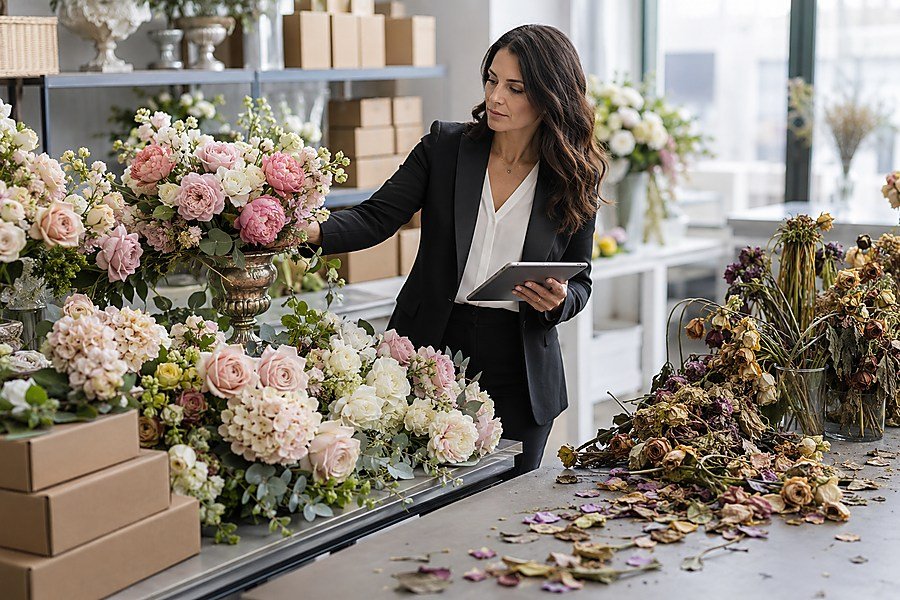
When I first started in this industry, I saw how much money businesses lost on fresh flowers. If a shipment is late by one day, the flowers might already be wilting. You need refrigerated trucks and specialized warehouses. This adds a lot of cost to every single order. Artificial flowers remove these problems. You can ship them in standard boxes. You can store them in a regular room. This makes your supply chain much simpler and more reliable.
Quality and the Professional Standard
In the past, people thought fake flowers looked cheap. But technology has changed everything. Modern "Real Touch" flowers use materials like latex and high-grade silk to mimic nature perfectly. For an interior designer or a wedding planner, these products offer a high-end look without the stress of maintenance. You get a product that looks fresh for years, not days. This helps you maintain a strong reputation with your clients.
Comparing Key Factors for Buyers
| Feature | Real Flowers | High-End Fake Flowers |
|---|---|---|
| Lifespan | 5 to 7 days | 5 to 10 years |
| Maintenance | Daily watering and pruning | Occasional dusting |
| Shipping Requirements | Cold chain required | Standard shipping |
| Allergic Reactions | Can cause hay fever | 100% hypoallergenic |
| Weather Resistance | Sensitive to heat and frost | Very durable in all climates |
Meeting Modern Demand
Many customers now look for sustainable and easy options. Real flowers often come from farms that use many pesticides and lots of water. They are flown across the world, which creates a large carbon footprint. High-quality artificial flowers are a one-time purchase. They reduce waste because you do not throw them away after a week. This appeals to eco-conscious clients who want beautiful decor that lasts.
What are some creative ways they get customers to buy flowers?
Many businesses fail because they only sell flowers as a product. To succeed in the modern market, you must sell a feeling or a solution. Customers want to see how flowers will improve their specific space or event.
Businesses sell more flowers by using lifestyle photography, interactive displays, and custom design services. Showing flowers in a real-life setting helps buyers visualize the end result. Offering unique services like rentals or seasonal subscriptions also creates steady demand and builds long-term customer loyalty.
Selling the Vision, Not the Stem
I have noticed that the most successful retailers do not just put flowers on a shelf. They create "Instagrammable" moments in their stores. They set up a full wedding arch or a complete dining table set. When a buyer sees a finished look, they are more likely to buy the whole set. You should focus on visual storytelling. Use high-quality photos and videos to show the texture and movement of the petals. This makes the product feel more valuable to the customer.
Customization and Niche Markets
Offering something unique is a great way to attract professional buyers. Many event planners need specific colors to match a brand or a theme. If you can offer custom dyeing or unique arrangements, you will stand out.
- Rental Models: Rent out high-end silk flower walls for events.
- Corporate Subscriptions: Swap out office greenery every three months.
- DIY Kits: Sell bundles with instructions for home decor.
Using Digital Platforms Effectively
Most B2B buyers now search for products on platforms like Alibaba or Amazon. To get their attention, your listings must be perfect. Use clear titles and list the benefits clearly. Mention things like "UV resistance" or "washable fabric." This builds trust. When a buyer knows exactly what they are getting, they are more likely to place a bulk order. Providing excellent after-sales service and clear logistics information also helps turn a one-time buyer into a regular partner.
| Sales Tactic | Benefit | Implementation |
|---|---|---|
| Lifestyle Photos | Increases desire | Show flowers in a home or office setting. |
| Bulk Discounts | Encourages larger orders | Offer 10-20% off for high-volume buyers. |
| Video Demos | Proves quality | Show the "real touch" texture on camera. |
| Sample Packs | Reduces risk | Let buyers purchase a small set before a big order. |
What costs more, real flowers or fake flowers?
A common mistake is looking only at the price tag of a single stem. Fresh flowers often seem cheaper at first glance. But when you add up all the costs, the math changes quickly.
Real flowers cost much more over time because of replacement costs, specialized storage, and high waste. Fake flowers have a higher initial price, but they offer a much better return on investment. For a business, artificial options are the most cost-effective choice because they can be used and sold many times.
The Truth About Upfront Costs
Yes, a high-quality silk rose costs more than a fresh rose today. But think about the "cost per use." If an event planner buys a silk rose for $5 and uses it for five different weddings, the cost is only $1 per wedding. A fresh rose might cost $2, but it can only be used once. After one week, that $2 is gone. For a business that does many events, the savings from switching to artificial flowers can be thousands of dollars every year.
Hidden Expenses of Fresh Blooms
There are many hidden costs in the fresh flower business. You have to pay for refrigeration to keep them alive. You have to pay for fast, expensive shipping. Also, you must account for "shrinkage." This is the percentage of flowers that arrive damaged or die before they are sold. In the fresh flower industry, shrinkage can be as high as 20%. With artificial flowers, shrinkage is almost zero. You get exactly what you pay for, and every piece is usable.
Labor and Time Savings
Time is money in any business. Fresh flowers require a lot of labor. You have to trim the stems, change the water, and remove dead leaves every day. When you set up an event, you have to do it at the last minute so the flowers don’t wilt. Artificial flowers can be set up days in advance. They don’t need any daily care. This allows you to manage your staff more efficiently and take on more projects at the same time.
| Expense Type | Fresh Flowers | Artificial Flowers |
|---|---|---|
| Initial Purchase | Low to Medium | Medium to High |
| Replacement Frequency | Every 7 days | Every 5-10 years |
| Storage Needs | Refrigeration | Standard Shelving |
| Labor Cost | High (Daily care) | Very Low |
| Shipping Cost | High (Fragile/Heavy) | Low (Durable/Light) |
Who sells the most realistic fake flowers?
The market is full of different suppliers, but not all artificial flowers are equal. If you buy cheap plastic versions, your customers will notice immediately. Professional buyers need to find sources that prioritize realism and quality.
The most realistic fake flowers come from specialized manufacturers who use 3D printing and advanced polymer coatings. These "Real Touch" products are often found on B2B platforms like Alibaba or through direct factory partnerships. These suppliers focus on botanical accuracy, ensuring that the color, shape, and texture match live plants perfectly.
Identifying High-Quality Manufacturers
When you are sourcing, you need to look at the materials. Avoid suppliers who only use basic polyester. Look for terms like "silk-screened," "hand-painted," and "polyurethane coating." These techniques create the natural look of real petals. I always check the stems too. A realistic flower should have a stem that has texture and natural color variation, not just a plain green plastic stick. The best suppliers will provide detailed photos of these parts.
Evaluating Suppliers on B2B Platforms
Many great suppliers are based in regions with strong manufacturing histories. When you search on international platforms, look for "Gold" suppliers or those with verified trade records. Check their reviews specifically for "quality" and "realism." Ask for samples before you place a large order. A good supplier will be happy to send a sample so you can feel the texture yourself. This is the only way to ensure the product meets your professional standards.
The Importance of Customization
Top-tier suppliers often offer customization services. This is very important for B2B buyers who need a specific look. If you need a certain type of leaf or a unique color of hydrangea, a specialized factory can make it for you. They can also help with packaging to ensure the flowers do not get crushed during shipping. Finding a partner who can grow with your business is just as important as the product itself.
- Material Check: Ask for Real Touch or high-grade silk.
- Detail Check: Look for hand-painted gradients on petals.
- Supplier Check: Look for high ratings and long-term experience.
- Service Check: Ensure they offer bulk shipping and customization.
My insights: Strategic Floral Sourcing: Balancing Operational Efficiency with Sensory Luxury
Sourcing flowers often means battling high spoilage and seasonal price volatility. These logistical headaches drain your margins. Our guide balances artificial and fresh benefits to optimize your B2B procurement strategy.
B2B buyers should choose artificial flowers for high-volume, reusable, or logistically complex projects to ensure inventory stability. Real flowers remain the gold standard for luxury, fragrance-focused events. However, a hybrid strategy—using faux for large structures and fresh stems for focal points—maximizes ROI while maintaining premium aesthetics.
The Strategic Calculus: Beyond the "Real vs. Fake" Binary
Successful procurement requires viewing floral sourcing through the lens of Total Cost of Ownership (TCO). While premium silk or "real-touch" PU flowers require higher initial capital, they eliminate recurring costs like refrigeration and the 15-25% spoilage rates common in fresh shipments.
Operational Resilience vs. Aesthetic Authenticity
Artificial flowers offer "plug-and-play" reliability, essential for multi-location retail rollouts where brand consistency is non-negotiable. Conversely, fresh flowers serve as a "prestige signal." For high-end hospitality, the olfactory experience and organic variation of real stems justify the logistical complexity and labor-intensive daily care.
The Economics of the Hybrid Model
Smart buyers are increasingly adopting a "layered" approach. By utilizing high-durability artificial stems for massive overhead installations and interspersing fresh, fragrant "hero" blooms at eye-level touchpoints, businesses can achieve a luxury look while drastically reducing waste and labor pressure.
| Sourcing Factor | Premium Artificial Flowers | Fresh Botanical Stems |
|---|---|---|
| Inventory Risk | Low (Zero spoilage; year-round) | High (Perishable; seasonal) |
| Logistics | Standard shipping/dry storage | Cold chain; specialized handling |
| Labor Requirement | Minimal (Setup and forget) | High (Trimming, hydration, daily care) |
| Scalability | High (Easy to replicate at scale) | Moderate (Dependent on harvest) |
| Primary Value | Reusability and Durability | Fragrance and Authenticity |
Conclusion
Sourcing high-quality artificial flowers reduces waste and increases profits for B2B buyers. By choosing durable, realistic products, you provide better value to your clients and grow your business.