
Selecting appropriate artificial flowers for gravesites is essential for B2B enterprises. This decision affects both visual appeal and product longevity, which directly reflects a business’s commitment to quality. Overlooking these aspects can lead to client dissatisfaction and missed market opportunities.
The most suitable artificial flowers for gravesites offer a balance of durability and a natural look, ensuring they withstand outdoor conditions while providing a respectful tribute. Focus on materials like high-quality silk or UV-resistant plastics that retain their color and form over time. These materials offer a durable and visually appealing solution for memorial decorations.
Using high-quality artificial flowers for graves represents a strategic choice. Providing products that meet both aesthetic and practical requirements is vital for businesses. Enterprises aiming for market prominence must deliver excellence in their offerings.
What are the best artificial flowers for graves?
Are businesses struggling to identify artificial flowers that offer both lasting appeal and durability for gravesites? Many products may fade or degrade quickly, potentially leading to client dissatisfaction and increased replacement costs. This can impact a business’s reputation and financial efficiency.
The best artificial flowers for graves are manufactured from high-grade silk or advanced UV-resistant plastic. These materials are selected for their capacity to endure harsh weather conditions, including intense sunlight, rain, and cold temperatures. They maintain their vibrant colors and original shapes for extended periods, ensuring a lasting and dignified appearance at gravesites.
Durability and realism are critical factors for these products. For example, specially treated silk flowers can resist fading even after prolonged outdoor exposure. Consider a situation where a client requires memorial flowers. If these flowers remain fresh and beautiful for an entire year, it underscores the quality provided. Such longevity fosters client trust and repeat business.
Key Factors for Selection
- Material Quality: What are the optimal materials for artificial grave flowers?
The choice of material significantly influences a flower’s lifespan and visual quality.- High-Grade Silk: This material provides a soft, natural aesthetic. It is often treated for resistance to UV rays and moisture, offering a realistic tactile experience.
- UV-Resistant Plastic: This plastic is highly durable and performs well in extreme weather. It resists fading under sun exposure.
- Weather-Resistant Coatings: Certain flowers feature specialized coatings. These layers provide additional protection against environmental elements, extending product life.
| Feature | High-Grade Silk | UV-Resistant Plastic |
|---|---|---|
| Realism | Very high, soft texture | High, can have a firmer feel |
| Durability | Good, with UV treatment | Excellent, highly resilient |
| Fade Resist | Good, if treated | Excellent |
| Cost | Moderate to High | Moderate |
-
UV Protection: Why is strong UV protection essential for grave flowers?
Sunlight is a primary cause of color degradation in artificial flowers. Without adequate UV protection, colors will quickly dull, making the flowers appear aged and worn.- Built-in UV Inhibitors: These agents are integrated into the material during manufacturing to prevent sun damage.
- UV Spray Coatings: These coatings are applied after production, adding an external layer of defense against UV radiation.
-
Weather Resistance: How do these products perform in diverse weather conditions?
Gravesites are outdoor locations. Flowers must endure rain, wind, and temperature fluctuations.- Waterproof Materials: Materials that do not absorb water help prevent mold and mildew growth.
- Sturdy Construction: Well-assembled flowers are less likely to dislodge or break apart in windy conditions.
Benefits for B2B Clients
Choosing appropriate artificial flowers offers several advantages for B2B clients.
- Reduced Maintenance: Clients save time and labor, as frequent flower replacements are unnecessary. This is a significant benefit for businesses such as event planners or property managers.
- Long-Lasting Beauty: Flowers maintain their aesthetic appeal for months or years, ensuring memorials consistently appear dignified.
- Cost-Effectiveness: Although the initial purchase cost might be higher, the extended durability translates into fewer replacements, leading to long-term savings for clients.
What are the latest trends in artificial flowers?
Are businesses still offering outdated artificial flower designs? Clients may be seeking contemporary and fresh options. Failure to keep pace with current trends can result in lost business to competitors with modern inventories. Avoiding outdated stock is crucial.
Current trends in artificial flowers highlight hyper-realism, sustainable materials, and customized arrangements. Consumers desire flowers that look and feel authentic, are environmentally conscious, and can be tailored to specific requirements. Remaining informed about these trends enables B2B enterprises to provide attractive and competitive products.
Market observation reveals a significant shift towards environmentally friendly products. For instance, the use of recycled plastics and natural dyes has increased. A client, such as a wedding planner, might request botanical decorations that appear hand-picked rather than mass-produced. A line of artificial wildflowers, incorporating subtle imperfections for a natural aesthetic, can meet such specific visions. This focus on detail and trend awareness helps products stand out.
Hyper-Realism and Botanical Accuracy
-
Why is realism a key trend now?
Modern manufacturing technologies enable exceptional detail. Consumers expect artificial flowers that are visually indistinguishable from natural ones.- Improved Manufacturing: New techniques allow for more intricate petals and leaves.
- Color Matching: Advanced dyeing processes precisely replicate natural flower hues.
- Texture and Feel: Materials now simulate the soft, delicate texture of real petals.
-
Specific Examples: Which types of flowers exemplify this trend?
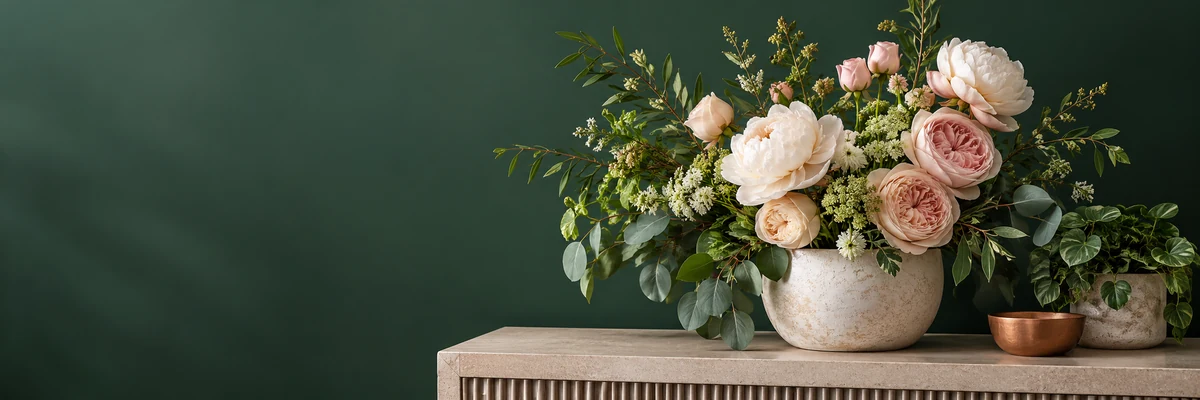
- Garden Roses: These mimic the appearance of freshly cut garden roses, featuring varied petal sizes and natural curves.
- Peonies: Known for their full, layered appearance, artificial versions accurately capture these intricate details.
- Eucalyptus: Highly popular for its realistic leaves and diverse shades of green.
Sustainable and Eco-Friendly Options
-
Why are eco-friendly options gaining market traction?
Consumer environmental consciousness is increasing. Demand for sustainable products is growing.- Recycled Materials: Utilizing plastics derived from recycled sources reduces waste.
- Biodegradable Components: Some flower parts are designed to decompose naturally.
- Natural Dyes: Plant-based dyes are safer for the environment.
-
Benefits for B2B: How do these options benefit business clients?
- Green Marketing: Clients can highlight their commitment to environmental responsibility.
- Appeal to Conscious Consumers: Attracts customer segments that prioritize eco-friendly purchasing decisions.
| Trend Feature | Description | B2B Benefit |
|---|---|---|
| Hyper-Realism | Flowers appear and feel highly natural | High client satisfaction, perceived premium |
| Sustainability | Uses recycled or biodegradable materials | Appeals to eco-conscious clients, enhances brand image |
| Customization | Tailored designs for specific requirements | Unique product offerings, strong client relationships |
Customization and Personalization
-
Why do clients seek custom artificial flower options?
Each event or memorial occasion is unique. Standard products may not always fulfill specific needs.- Tailored Arrangements: Clients can select specific flowers, colors, and styles.
- Unique Designs: Allows for the creation of distinctive products based on a client’s vision.
-
How can B2B enterprises implement customization?
- Modular Systems: Offer individual stems and components, enabling clients to combine elements.
- Design Consultation: Provide services to assist clients in creating bespoke arrangements.
Are artificial flowers ok for graves?
Do clients express reservations about the suitability of artificial flowers for graves? Some individuals may believe that only fresh flowers are respectful, potentially leading to client hesitation and missed sales opportunities. Addressing these concerns with factual information is crucial.
Yes, artificial flowers are appropriate for graves, providing a dignified and durable tribute that many find practical and respectful. They ensure continuous beauty without the need for constant maintenance, which is beneficial for individuals with limited time or those living far away. Modern artificial flowers are designed to appear natural and endure outdoor conditions, making them a considerate choice.
The perception of artificial flowers has evolved significantly. While past products might have lacked refinement, contemporary versions offer high quality. Many families and memorial parks appreciate the lasting beauty provided by durable artificial products. The reassurance that a loved one’s grave consistently appears well-maintained, even with infrequent visits, offers considerable peace of mind. This aspect can be a compelling selling point.
Shifting Perceptions
-
Why are attitudes towards artificial grave flowers changing?
The quality of artificial flowers has substantially improved, enhancing their realism.- Quality Improvements: Outdated, artificial-looking flowers have been replaced by aesthetically pleasing versions.
- Practicality: Modern lifestyles demand time-saving solutions.
- Environmental Concerns: Fresh flowers have a short lifespan. Durable artificial flowers reduce waste.
-
Benefits for Families: How do artificial flowers assist grieving families?
- Constant Beauty: The grave consistently appears well-cared for, offering comfort.
- Reduced Stress: Eliminates the need for frequent visits solely for flower replacement.
- Weather Resilience: Flowers maintain their appearance regardless of weather conditions.
Cemetery Regulations and Guidelines
- What should B2B clients know about cemetery rules for grave decorations?
Most cemeteries enforce regulations regarding decorations. Understanding these rules is important.- Approved Materials: Some cemeteries may have preferences for certain materials and prohibit items like glass or metal.
- Size Limits: Restrictions on the dimensions of flower arrangements may apply.
- Placement Rules: Specific areas for placing decorations might be designated.
| Aspect | Artificial Flowers | Fresh Flowers |
|---|---|---|
| Longevity | Weeks to months, potentially years | Days to a week, condition-dependent |
| Maintenance | Low (occasional cleaning) | High (frequent replacement) |
| Cost | Higher initial, lower long-term | Lower initial, higher long-term |
| Appearance | Consistent, resistant to wilting and fading | Changes with time, wilts, fades |
| Impact | Always appears fresh, reduces emotional burden for visitors | Can look neglected quickly, adds to emotional burden |
Dignity and Respect
- How do artificial flowers convey dignity and respect?
They provide an enduring tribute, honoring the person remembered.- Enduring Symbol: A consistently beautiful display signifies lasting remembrance.
- Thoughtful Gesture: Selecting durable flowers demonstrates care and foresight.
What are popular flower choices for grave pots?
Are clients uncertain about specific flower recommendations for grave pots? A limited selection might result in missed opportunities to offer popular choices that resonate with families. Expanding product knowledge to meet diverse client needs is important.
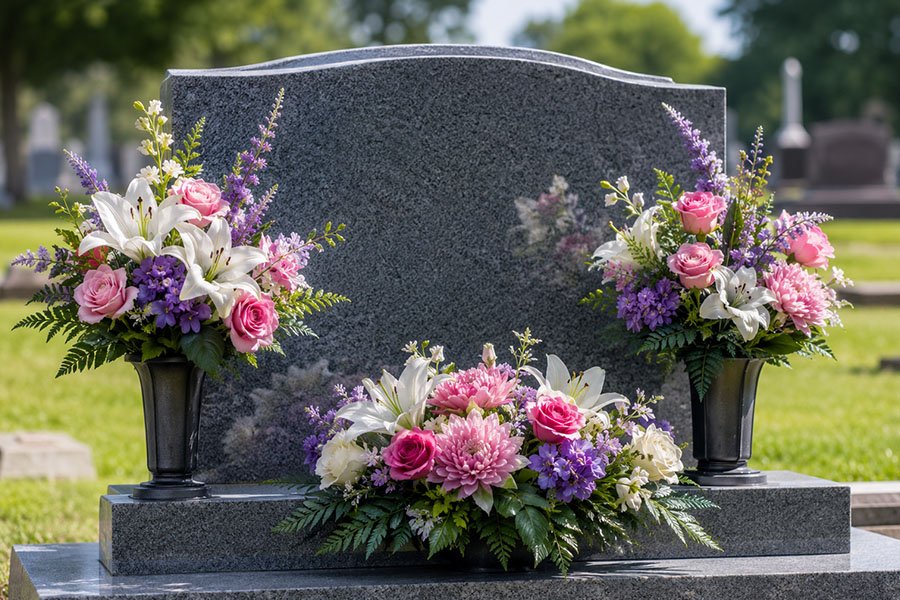
Popular flower choices for grave pots include classic blooms such as roses, lilies, and carnations, along with greenery like ferns and eucalyptus. These are chosen for their symbolic meanings and ability to create full, appealing displays. These selections offer both aesthetic appeal and profound meaning, making them suitable for respectful tributes to loved ones. The key is to choose varieties that appear natural and fit well within a pot.
Certain flowers are consistently requested for grave pots. For example, artificial red roses are frequently chosen, symbolizing deep affection. Clients are often advised to consider the sentiment associated with each flower. For a dignified yet simple arrangement for a veteran’s grave, an arrangement with red poppies, symbolizing remembrance, alongside serene white lilies, can offer both beauty and deep meaning.
Classic and Symbolic Choices
- Which flowers are consistently popular for grave pots?
Specific flowers carry significant meaning and are always suitable for memorials.- Roses: These are traditional. Red roses symbolize deep love. White roses represent purity and peace. Pink roses convey gratitude.
- Lilies: These symbolize peace and renewal. White lilies are commonly used for memorials.
- Carnations: Red carnations signify deep love. White carnations represent remembrance. Pink carnations express gratitude.
Vibrant and Low-Maintenance Options
- Which flowers offer color and require minimal care?
Many individuals prefer bright, long-lasting colors that are easy to maintain.- Geraniums: Available in various bright colors, they offer a cheerful and realistic appearance.
- Petunias: These provide a full, trailing effect, effectively filling a grave pot.
- Daisies: Simple and delicate, they symbolize innocence.
Greenery and Fillers
- Why is greenery important in grave pot arrangements?
Greenery adds texture and volume, making the arrangement appear full and natural.- Ferns: These contribute a delicate, natural feel and serve as excellent base fillers.
- Eucalyptus: Featuring unique leaves and a subtle color, it adds a modern touch.
- Ivy: This can trail over the pot’s edge, creating a lush aesthetic.
Arrangement Tips for Grave Pots
- How can clients optimize their grave pot arrangements?
Effective arrangement enhances the visual impact of the flowers.- Layering: Place taller flowers in the back or center. Shorter flowers belong in the front or around the edges.
- Color Harmony: Select colors that complement each other. Alternatively, use a single color for a bold statement.
- Stable Bases: Ensure the arrangement is sufficiently weighted to prevent it from being displaced by wind. Use floral foam or sand within the pot.
| Flower Type | Common Colors | Symbolic Meaning | Best Use Case |
|---|---|---|---|
| Roses | Red, White, Pink | Love, Purity, Gratitude | Classic, deeply personal tributes |
| Lilies | White | Peace, Renewal | Serene, hopeful memorials |
| Carnations | Red, White, Pink | Love, Remembrance, Gratitude | Traditional, heartfelt displays |
| Geraniums | Red, Pink, White | Comfort, Distinction | Bright, cheerful, lasting grave pots |
| Ferns | Green | Sincerity, Solitude | Filler, adds texture and volume |
| Eucalyptus | Green, Silvery-Green | Protection, Healing | Modern arrangements, subtle elegance |
My Insights: How B2B Enterprises Can Choose Artificial Flowers Suitable for Gravesites
Struggling to meet the demands of your B2B clients in the cemetery sector? Artificial flowers optimized for gravesites offer durability, realism, and eco-conscious options to create value and satisfy customers.
The best artificial flowers for gravesites balance durability, UV resistance, and realistic design. Materials like polyethylene or polyester withstand weather, while customizable, eco-friendly options cater to modern market trends and client preferences.
Building Effective Artificial Flower Collections for Gravesites
When selecting artificial flowers for gravesites, B2B enterprises must consider durability, cultural preferences, ease of maintenance, and emerging sustainability trends. Here’s how to break it down:
1. Material Excellence for Longevity
Weather resistance is critical. Durable materials like polyethylene, polyester, and UV-stabilized plastics maintain their shape and color even under harsh sunlight or rain. Look for features like rust-free wire cores, reinforced petals, and shape-memory stems for robust performance.
2. Seasonality and Cultural Sensitivity
Graveside artificial flowers should reflect seasonal or cultural significance. Popular types, like lilies, roses, and carnations, are often chosen for their symbolic meanings. Offer seasonal assortments (e.g., pastels for spring, deep reds for winter) to drive recurring sales.
3. Practical Design Features
- Stable Structures: Weighted bases and compact arrangements prevent wind displacement.
- Modular Formats: Vase cones, headstone saddles, and potted designs offer flexibility for cemetery use.
- Maintenance-Friendly Materials: Washable and long-lasting flowers ease consumers’ care burden.
4. Addressing Sustainability and Regulations
Environmental concerns are shaping cemetery flower preferences. Consider launching an eco-friendly line with biodegradable florals or recycled plastics. Ensure compliance with local cemetery regulations, some of which restrict artificial flowers to specific seasons or types.
Material and Design Comparison for Cemetery Use
| Feature | Standard Artificial Flowers | Premium Artificial Flowers | Eco-Friendly Options |
|---|---|---|---|
| Material | Polyester/PE with low UV resistance | UV-resistant polyester or HDPE | Recycled or biodegradable materials |
| Durability | Fades or warps after weeks outdoors | Long-lasting under sunlight and rain | Moderate, suitable for short-term use |
| Base Stability | Lightweight foam or plastic | Weighted pots or rust-free wire cores | Weighted or natural bases |
| Aesthetics | Basic color finishing | Realistic petal gradients, soft textures | Earthy, natural tones |
Strategies for B2B Success in the Gravesite Flower Market
1. Supply Chain Optimization
Standardize materials that meet mid- to premium-tier cemetery requirements, such as UV-tested flowers and universal base designs. Partner with logistics providers equipped to bulk-ship arrangements without damage.
2. Meet Consumer and Environmental Expectations
Offer differentiated lines: low-cost options for budget-conscious buyers, premium realism for high-end markets, and sustainable designs for eco-conscious cemeteries. Include clear product descriptions to address durability, recyclability, and compliance directly.
3. Seasonal and Sentimental Alignment
Use insights from consumer trends to design flowers that resonate emotionally. Tailor collections to events like Memorial Day, All Saints’ Day, and anniversaries while ensuring year-round best-seller accessibility for sympathy or religious themes.
By balancing durability, seasonal relevance, and eco-conscious innovations, B2B enterprises can dominate the growing market for cemetery artificial flowers while building strong, long-term client relationships.
Conclusion
Choosing the right artificial flowers for gravesites is a critical decision for B2B enterprises. Emphasizing high-quality materials, aligning with current trends like hyper-realism, and recognizing the enduring and respectful nature of these tributes are all highly valued by clients.