

Do you find it hard to maintain vibrant greenery while managing a busy life? Many people face this challenge. Imagine a space where plants always look their best, with minimal effort.
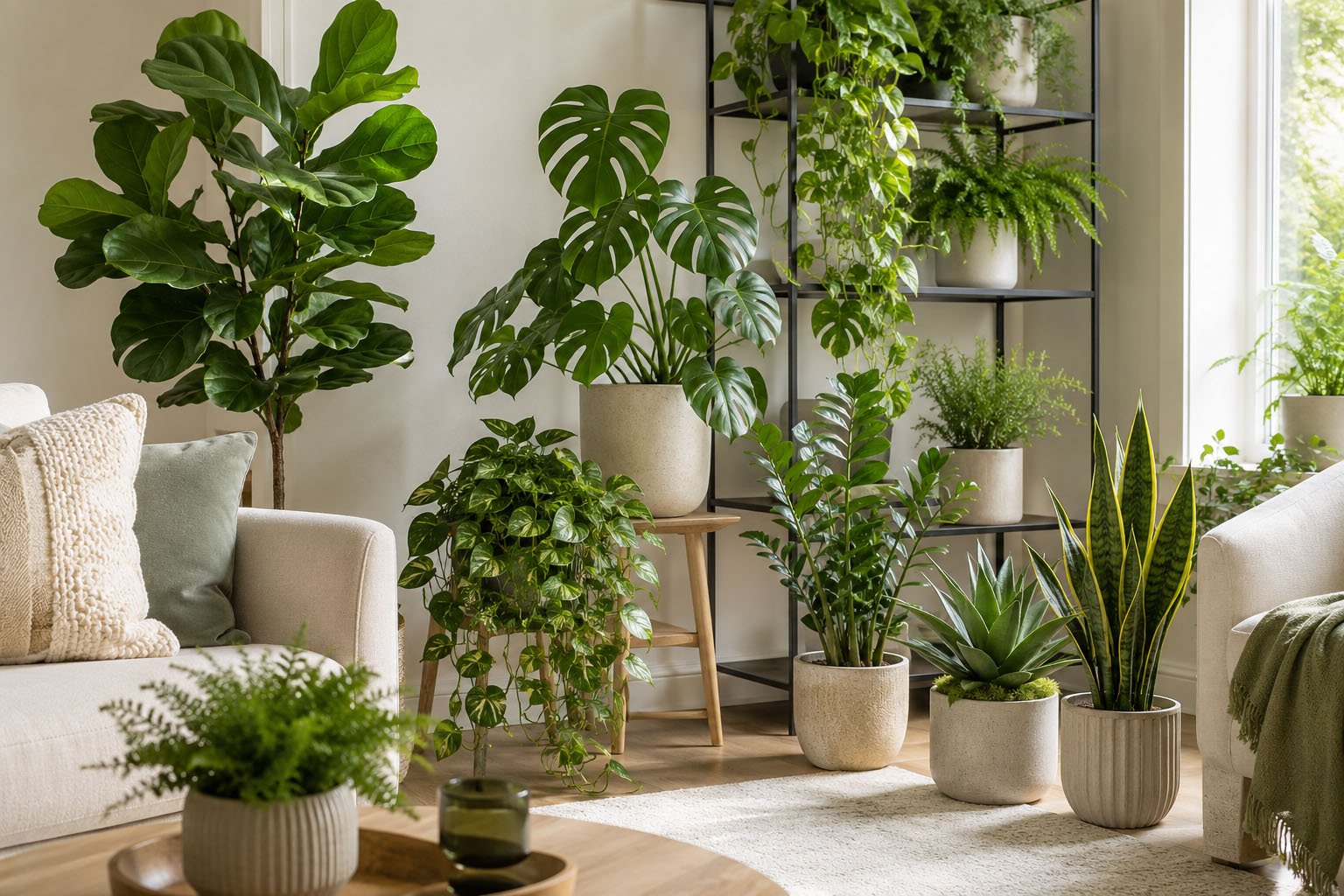
Combining artificial plants with real ones is an effective strategy to achieve a lively, low-maintenance aesthetic. This approach offers the advantages of natural beauty and effortless appeal, creating balanced and visually appealing environments that are easy to maintain.
Many individuals seek perfect, lasting botanical displays. This demand highlights the value of blending artificial elements seamlessly with natural ones. It ensures continuous beauty without constant upkeep. Let’s explore how to integrate these elements effectively.
Can I mix fake plants with real plants?
Are you unsure if blending artificial plants with living ones is suitable for your décor? Some may worry it could look unnatural. However, what if this combination could enhance your space, offering dynamic appeal with less demand for care?
Yes, mixing artificial plants with real plants is an excellent way to create appealing and balanced displays. This method provides design flexibility, allowing greenery in areas where live plants might struggle, ensuring consistent visual appeal without constant attention.
Integrating artificial plants with real ones addresses common challenges such as inconsistent light or time constraints. This approach enables the creation of lush arrangements that remain attractive. It ensures every part of a space can feel vibrant and inviting.
Benefits of Mixing Plants
Mixing artificial and real plants offers several advantages. It helps fill empty spaces and adds volume. Artificial plants can be placed in low-light areas. They do not need water or specific care. Real plants provide natural freshness and life. Together, they create a balanced appearance.
- Visual Consistency: Artificial plants ensure greenery in challenging locations.
- Reduced Effort: Less watering and pruning are required overall.
- Design Freedom: Artificial plants enable diverse designs in any setting.
How to Blend Plants Effectively
To blend plants well, focus on realistic choices. Select high-quality artificial plants that mimic real ones. Arrange them in a natural grouping. Position artificial plants behind or among real ones. This makes the artificial elements less obvious. Keep real plants healthy. This draws positive attention to them.
| Feature | Real Plants | Artificial Plants |
|---|---|---|
| Appearance | Natural, vibrant, changes over time | Consistent, unchanging, high realism possible |
| Maintenance | High (watering, light, pruning) | Low (dusting) |
| Placement | Requires specific light and environment | Flexible, suitable for any location |
| Cost | Ongoing (soil, fertilizer, replacements) | Initial investment, long-term savings |
| Purpose | Freshness, living component | Volume, filler, year-round visual appeal |
What is the rule of three plants?
Have you ever observed a plant display that felt incomplete or unbalanced? This often occurs when basic design principles are overlooked. What if there was a straightforward method to create harmonious and professional-looking plant arrangements consistently?
The rule of three plants is a design principle that recommends grouping plants in odd numbers, typically three, to achieve a more attractive and natural aesthetic. This method helps establish visual balance and interest, making plant arrangements appear more dynamic and expertly arranged.
Understanding simple design rules can significantly impact visual appeal. Certain displays naturally capture attention, while others lack impact. The rule of three offers a fundamental approach to making any space feel thoughtfully designed. It guides the creation of arrangements that are both appealing and harmonious.
Principles of the Rule of Three
The rule of three is a foundational design concept. It suggests using odd numbers of items for visual interest. For plants, this means grouping three different plants. Alternatively, you can group three plants of varying sizes. This creates a natural and pleasing composition. Odd numbers tend to feel less rigid. They encourage the eye to move smoothly across the display.
- Visual Equilibrium: Odd numbers offer more dynamism than even numbers.
- Natural Aesthetic: Groups of three are frequently observed in natural settings.
- Focal Point Creation: A trio can effectively draw attention.
Applying the Rule to Plant Groupings
When applying the rule of three, consider variety. Choose plants that differ in height, texture, or leaf shape. Position the tallest plant at the back or center. The medium-sized plant goes next to it. The smallest plant is placed in front. This creates depth and adds interest to the display. Varying pot styles can also enhance the effect.
| Plant Arrangement | Description | Visual Impact |
|---|---|---|
| Three of a Kind | Three identical plants in pots of different sizes. | Unified, simple, elegant |
| Varying Heights | One tall, one medium, one short plant. | Dynamic, adds depth |
| Mixed Textures | Three plants with distinct leaf textures. | Rich, interesting, tactile |
| Different Species | Three distinct plant types. | Diverse, natural, engaging |
Do plants lower cortisol?
Do you often feel stressed or overwhelmed by daily pressures, seeking simple ways to introduce calm into your routine? Many individuals search for natural stress relief, questioning its effectiveness. Could merely having plants around genuinely influence your stress levels?
Yes, research indicates that interaction with plants and exposure to green environments can help reduce cortisol levels, which is the body’s primary stress hormone. Plants contribute to a more soothing atmosphere, fostering relaxation and diminishing psychological and physiological stress responses.
The calming influence of nature is widely recognized. Incorporating green elements into designs is a common practice for this reason. Feedback often highlights the positive impact plants have on well-being, suggesting that their role extends beyond mere decoration to fostering a sense of tranquility.
The Science of Plants and Stress Reduction
Cortisol is released in response to stress. Elevated levels can negatively affect health. Plants contribute to lowering cortisol through various mechanisms. First, observing plants can induce a calming effect, which helps decrease heart rate and blood pressure. Second, engaging in plant care provides a sense of purpose, potentially reducing feelings of anxiety. Third, plants enhance air quality, and better air can positively influence mood and reduce stress.
- Biophilia Hypothesis: Humans possess an inherent drive to connect with nature.
- Sensory Engagement: The visual and olfactory presence of plants can be soothing.
- Mindfulness Practice: Caring for plants can serve as a meditative activity.
Ways to Incorporate Plants for Wellness
To utilize plants for stress relief, place them in frequently used areas. Offices, living rooms, or bedrooms are suitable locations. Even small desk plants can be beneficial. For those new to plant care, choose low-maintenance options like succulents or snake plants. In larger spaces, sizable potted plants can establish a green sanctuary.
| Plant Type | Benefits for Stress Reduction | Ideal Placement |
|---|---|---|
| Snake Plant | Improves air quality, requires minimal care | Bedroom, Office |
| Lavender | Calming fragrance, promotes relaxation | Bedroom, Living Room |
| Aloe Vera | Easy to maintain, provides a soothing presence | Kitchen, Bathroom |
| Peace Lily | Air purifying, offers an elegant appearance | Living Room, Office |
| Pothos | Adaptable, simple to grow, adds lushness | Hanging, Shelves |
Do fake plants bring negative energy?
Are you concerned that artificial plants might introduce adverse energy into your home or workplace? Many contemplate the subtle influence of décor items, especially those intended to enhance a room. Is there validity to the idea that artificial plants could be a source of negative energy?
No, artificial plants do not inherently generate negative energy. The notion of "negative energy" from fake plants often arises from individual beliefs or misconceptions about interior decoration. High-quality artificial plants, when carefully selected and arranged, can significantly improve a space without any negative effects, contributing to a positive and aesthetically pleasing environment.
The focus in décor is often on beauty and quality. The goal is to enhance spaces positively. Artificial plants can transform rooms, providing lasting visual appeal. This suggests that well-chosen artificial plants contribute to positive feelings and enhance living spaces.
Addressing Misconceptions About Artificial Plants
The belief that artificial plants bring negative energy sometimes stems from traditional views or personal philosophies. Some hold that only living entities possess "good" energy. Others worry about dust accumulation, which can be perceived as stagnant. However, regular cleaning prevents dust buildup. Modern artificial plants are well-crafted, appearing realistic. They enhance a space’s beauty.
- Personal Interpretation: Energy perception is often subjective.
- Quality Importance: Low-quality items can appear cheap, affecting mood.
- Maintenance Role: Keeping artificial plants clean prevents a "stagnant" atmosphere.
Creating Positive Spaces with Artificial Greenery
To ensure artificial plants contribute positively, select them carefully. Choose plants that look realistic. Ensure they are clean and well-maintained. Arrange them in a way that feels natural. Integrate them with real plants or other decorative elements. Use them to fill empty areas. This makes a room feel complete and welcoming. A well-designed space evokes positive feelings, regardless of whether the plants are real or artificial.
| Aspect | Impact on Energy | Tip for Positive Energy |
|---|---|---|
| Realism | Higher realism feels more natural and calming. | Choose high-quality, botanically accurate artificial plants. |
| Cleanliness | Dust and clutter can create stagnant energy. | Regularly dust and maintain artificial plants. |
| Placement | Thoughtful placement enhances flow and visual appeal. | Arrange plants to complement existing décor and space. |
| Intention | The intention for the space shapes its atmosphere. | Place plants with the aim of creating beauty and calm. |
| Combination | Mixing with real elements establishes balance. | Integrate artificial plants seamlessly with natural materials. |
My insights: Is It Good to Combine Fake Plants With Real Plants?
Struggling to keep your green thumb vibrant? Combining fake and real plants offers a brilliant solution to achieve lush, maintenance-friendly greenery.
Yes, blending fake and real plants is an excellent strategy for creating fuller, more balanced, and visually diverse arrangements with less effort. This approach allows real plants to thrive in ideal conditions while artificial ones fill gaps, maintain consistent aesthetics year-round, and reduce overall gardening demands, making it a cost-effective and practical solution for any space.
Why the Hybrid Approach Works Wonders
Combining artificial and living plants delivers the best of both worlds, addressing common challenges plant enthusiasts face. This synergy ensures sustained beauty and practical benefits.
Benefits of Blending Plants
| Aspect | Real Plants | Fake Plants | Combined Benefits |
|---|---|---|---|
| Aesthetics | Natural texture, air purification | Consistent color, year-round fullness | Lush, vibrant displays regardless of season or light |
| Maintenance | Requires light, water, pruning | No watering, no specific light needs | Reduced overall care, ideal for busy lifestyles |
| Versatility | Limited by environmental conditions | Placed anywhere, fills awkward spaces | Design flexibility, fills gaps where real plants struggle |
| Health & Pests | Can attract pests, cause allergies | Hypoallergenic, pest-free | Minimizes pest issues, safer for allergy sufferers |
| Longevity | Subject to growth cycles, potential decay | Permanent, no wilting or dying | Consistent beauty, extended display life |
| Cost-Effectiveness | Ongoing cost for new plants, soil, fertilizer | Initial investment, no recurring plant costs | Lower long-term expenses, maximum ambiance with minimal care |
Making It Look Believable
The key to a successful hybrid display lies in thoughtful integration. Choose high-quality artificial plants that mimic realistic leaf shapes, color variations, and have matte finishes to avoid a cheap, shiny look. Position real plants in spots where they can genuinely thrive with adequate light and easy watering. Use faux plants to enhance these living elements, filling in darker corners, high shelves, or as volume fillers in larger arrangements where real plants might struggle. Consistency in pots and containers across both types of plants will create a cohesive and intentional design, making the blend appear seamless and natural. Remember, even fake plants benefit from occasional dusting to maintain their realistic appearance.
Conclusion
Combining artificial and real plants is an effective decorating strategy. It provides beauty with minimal upkeep. This method results in attractive, balanced spaces. You can enjoy lush greenery effortlessly.