
Planning a wedding involves many choices, especially concerning decor. While fresh flowers are traditional, many couples consider other options. Is it possible to achieve a beautiful wedding aesthetic without the constraints of natural blooms?
Using artificial flowers for a wedding is completely acceptable and offers numerous benefits. Modern artificial blooms are crafted with high realism, providing lasting beauty, cost-effectiveness, and design flexibility. They present a practical and attractive alternative to fresh flowers, ensuring perfect floral displays throughout the event while also reducing waste and avoiding common floral pitfalls.
This article explores the growing acceptance and practical advantages of incorporating artificial flowers into wedding celebrations. Understanding these aspects can help couples make informed decisions for their special day.
Is It Common to Use Fake Flowers for a Wedding?
Concerns about traditional expectations often arise when considering artificial flowers for a wedding. However, current trends in wedding decor show a significant shift in preferences.
Using artificial flowers for weddings has become a common and widely accepted practice. Many couples choose them for their aesthetic appeal, resilience, and economic advantages. Contemporary artificial flowers are often indistinguishable from real ones, making them a popular and practical choice for diverse wedding styles and themes.
The floral industry has seen a notable increase in the demand for high-quality artificial arrangements. This reflects a broader acceptance and appreciation for their benefits in wedding settings.
The Rise of Realistic Artificial Blooms
The quality of artificial flowers has dramatically improved over time. Advancements in materials and manufacturing have transformed their appearance.
Evolution of Artificial Flowers
| Era | Key Characteristics | Realism Level |
|---|---|---|
| Early 2000s | Obvious synthetic materials | Low |
| Mid 2010s | Improved fabrics, some realism | Medium |
| Today | High-quality silk, latex, "real-touch" | Very High |
Modern artificial flowers are designed to replicate the intricate details, textures, and color variations of natural blooms. This meticulous craftsmanship makes them highly convincing and visually appealing.
Why More Couples Are Choosing Faux
Several factors contribute to the increasing popularity of artificial flowers in weddings. These reasons extend beyond mere aesthetics.
Top Reasons for Choosing Artificial Flowers
- Consistent Appearance: Flowers remain perfect regardless of environmental conditions or time.
- Allergy-Friendly: They do not trigger pollen allergies for guests or the wedding party.
- Durability: Arrangements withstand handling and varying temperatures without wilting.
- Seasonal Availability: Any desired flower type is available at any time of year.
- Lasting Keepsakes: Bouquets and arrangements can be preserved indefinitely as mementos.
- Environmental Benefits: Reusability contributes to reduced waste and a lower ecological footprint.
These advantages provide couples with greater flexibility and peace of mind. The ability to guarantee a flawless floral display without common natural flower issues is a significant draw.
What Flowers Not to Use for a Wedding?
When selecting wedding flowers, certain fresh blooms can pose practical challenges. Awareness of these potential issues is crucial for smooth event planning.
When considering wedding flowers, it is advisable to avoid fresh varieties that are highly allergenic, wilt rapidly, or are exceptionally expensive due to being out of season. Additionally, flowers with overpowering or unpleasant scents can be problematic for guests. These concerns are completely bypassed by opting for high-quality artificial flowers, which maintain their vibrancy, remain scent-free, and hold their structure perfectly throughout the wedding day without any risk of wilting or causing allergies.
Artificial flowers offer a reliable alternative, eliminating many of the common drawbacks associated with specific fresh flower choices. They ensure a beautiful and trouble-free floral experience.
Problematic Fresh Flowers and Why to Avoid Them
Some fresh flowers, despite their beauty, carry inherent risks that might make them less suitable for wedding decor.
Fresh Flowers to Consider Avoiding
| Flower Type | Potential Issue | Avoidance Reason |
|---|---|---|
| Lilies | Strong fragrance, heavy pollen | Can cause allergies, stain fabric |
| Hydrangeas | Prone to rapid wilting | High maintenance, short display life |
| Poinsettias | Highly seasonal, potentially toxic | Limited to winter, safety concerns |
| Overly Scented | Can be overwhelming or irritating | May cause discomfort for sensitive individuals |
Such issues can detract from the wedding experience. An allergic reaction among guests or a wilted centerpiece can impact the overall ambiance of the event.
The Benefits of Faux: Avoiding All Pitfalls
Artificial flowers provide effective solutions to the challenges presented by certain fresh flower varieties.
How Artificial Flowers Solve Floral Problems
- Hypoallergenic: Their synthetic composition means no allergens are present.
- No Wilting: They maintain their pristine appearance from the start of the event to the finish.
- Stain-Free: Absence of pollen ensures no staining on attire or linens.
- Year-Round Availability: Specific flower types are accessible irrespective of the season.
- Consistent Quality: Every bloom is uniform in appearance, free from blemishes.
- Non-Toxic: Safe for environments where pets or children might be present.
These advantages allow wedding planners and couples to focus on the celebration itself, rather than managing unpredictable floral conditions. The consistency and reliability of artificial flowers offer significant peace of mind.
Is It Cheaper to Use Real or Fake Flowers for a Wedding?
Budget management is a critical aspect of wedding planning. The cost of floral arrangements can be a substantial part of the overall expense.
In many scenarios, utilizing artificial flowers for a wedding proves more cost-effective than using real flowers, especially for elaborate designs or rare species. While the initial investment for high-quality artificial flowers may be comparable to fresh, they eliminate recurring expenses such as preservation, specialized delivery, and replacement of wilting blooms. Their reusability also contributes to long-term savings, positioning them as a more economical choice overall.
An analysis of wedding budgets often reveals that fresh flowers incur various hidden and ongoing costs. Artificial flowers streamline these expenses, offering greater financial predictability.
Comparing the Costs: Fresh vs. Faux
A detailed comparison of expenses highlights the financial benefits of choosing artificial flowers.
Cost Comparison Table
| Expense Category | Fresh Flowers | Artificial Flowers |
|---|---|---|
| Initial Purchase | High, especially for out-of-season blooms | Moderate to High (one-time investment) |
| Labor/Arrangement | Florist design and setup fees | Lower (potentially DIY or reduced labor) |
| Delivery/Setup | Often includes additional charges | Typically lower due to less fragility |
| Maintenance | Daily watering, care, and potential replacement | None |
| Preservation | Additional cost for drying or framing | Inherently preserved (lasts indefinitely) |
| Disposal | Waste removal after the event | None (reusable, no immediate waste) |
| Reusability | None (single-use item) | High (can be used for multiple events or decor) |
| Overall Value | Higher short-term expense | Greater long-term value and savings |
For professionals involved in event management, the ability to purchase high-quality artificial arrangements in bulk and reuse them across multiple projects provides significant economic advantages. This approach enhances client offerings while improving profit margins.
Achieving Greater Value for Your Investment
Artificial flowers provide substantial value, allowing wedding budgets to be allocated more effectively to other elements of the celebration.
Ways Artificial Flowers Offer Cost Savings
- DIY Potential: Couples can arrange them independently or with assistance, reducing professional florist fees.
- Bulk Purchase Benefits: Suppliers often offer better pricing for larger quantities.
- Stable Pricing: Costs are not subject to seasonal fluctuations or market demand.
- Travel Durability: Eliminates special handling and logistics costs for destination weddings.
- Zero Waste Spending: Funds are invested in items that retain value and are not discarded.
- Resale or Repurpose: Can be sold post-wedding or repurposed for home decoration.
These financial efficiencies enable couples to realize their dream wedding aesthetics without exceeding their budget. The longevity and versatility of artificial flowers ensure that every dollar spent yields maximum impact.
Is Decorating with Fake Plants Tacky?
The perception of "fake" decor often carries a negative connotation, suggesting lower quality or poor taste. This raises questions about the aesthetic acceptability of artificial plants and flowers.
Decorating with high-quality artificial plants and flowers is generally not considered tacky. Modern manufacturing advancements have resulted in incredibly realistic and aesthetically pleasing faux botanicals. They are viewed as a sophisticated choice for enhancing spaces and events, offering enduring beauty without the maintenance demands of live plants. The key to successful integration lies in selecting premium items and arranging them artfully within the overall decor scheme.
The stigma once associated with artificial decor has largely diminished due to significant improvements in product design and realism. Contemporary artificial plants and flowers are now recognized for their ability to elevate interior and event aesthetics.
The Evolution of Faux Decor: From Cheap to Chic
The visual and tactile quality of artificial decor has undergone a considerable transformation. They have moved far beyond their rudimentary predecessors.
A New Era of Artificial Decor
| Past Faux Decor | Modern Faux Decor |
|---|---|
| Plastic-like appearance | Realistic textures, natural feel |
| Unnatural, uniform colors | Subtly varied tones, true-to-life coloration |
| Limited botanical range | Extensive variety of species and styles |
| Prone to dust accumulation | Easy to clean, durable materials |
| Perceived as temporary filler | Valued as long-term decor investments |
Advanced production methods focus on replicating the natural imperfections and organic forms found in real plants. This attention to detail creates products that are virtually indistinguishable from their live counterparts.
Tips for Styling Artificial Flowers and Plants Beautifully
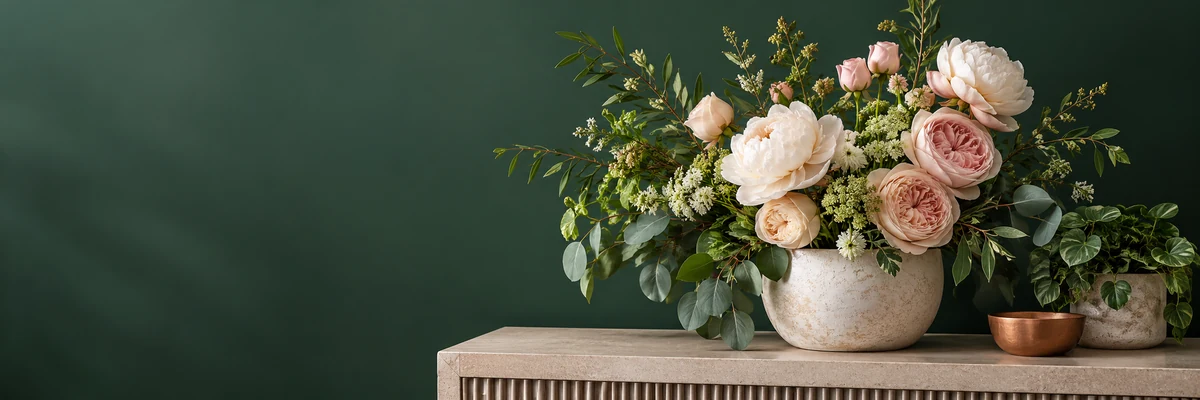
Effective styling is essential for integrating artificial flowers and plants seamlessly into any decor. Thoughtful arrangement can enhance their perceived quality.
Styling Tips for Artificial Botanicals
- Select Premium Quality: Opt for "real touch" or high-grade silk options for optimal realism.
- Vary Textures: Combine different types of artificial flowers and foliage to create visual interest.
- Utilize Appropriate Containers: Display them in genuine ceramic, glass, or metal vases, not generic plastic pots.
- Integrate Natural Elements: A few real branches or a bit of fresh moss can enhance authenticity.
- Arrange Artfully: Gently bend stems, fluff petals, and position them as one would with fresh flowers.
- Maintain Cleanliness: Regular dusting helps preserve their fresh and vibrant look.
By following these guidelines, artificial decor can contribute to a refined and inviting atmosphere. Professional event designers often employ these techniques to ensure their artificial arrangements meet high aesthetic standards.
My Insights: The Blooming Truth About Artificial Wedding Flowers
Planning a wedding can be stressful, especially when it comes to flowers. Worried about wilting blooms or budget blowouts? Artificial flowers might be your perfect solution!
Yes, it’s absolutely okay to use artificial flowers for a wedding. They are a popular and practical choice, offering a budget-friendly, durable, and customizable alternative to fresh flowers without sacrificing aesthetic appeal. Modern artificial blooms often appear remarkably realistic, making them an excellent option for various wedding styles and needs.
Why Artificial Flowers are a Smart Wedding Choice
Artificial flowers offer numerous advantages that make them a compelling choice for weddings, addressing common concerns about cost, longevity, and personalization.
Unpacking the Benefits
- Cost-Effectiveness: Artificial flowers are generally more affordable than their fresh counterparts, allowing couples to allocate their budget to other areas without compromising on floral grandeur.
- Durability and Longevity: Unlike fresh flowers, artificial blooms won’t wilt, fade, or get damaged by heat, humidity, or long events. This ensures your floral arrangements look perfect from ceremony to reception and beyond.
- Availability & Customization: They are not bound by seasons, offering unlimited choices in flower types, colors, and designs regardless of the time of year. This allows for precise color matching and unique arrangements.
- Allergy-Friendly: For couples or guests with allergies, artificial flowers eliminate potential health concerns, ensuring everyone can enjoy the celebration comfortably.
- Sustainability & Keepsakes: Artificial flowers can be reused for future events or kept as beautiful, lasting mementos of your special day, reducing waste.
- Travel-Friendly: Their robust nature makes them ideal for destination weddings, as they transport easily and remain pristine upon arrival.
Considerations for Choosing Artificial Flowers
While the benefits are clear, it’s crucial to select high-quality artificial flowers to achieve a luxurious and natural look.
| Aspect | What to Look For | What to Avoid |
|---|---|---|
| Material | Silk, "real touch" (latex-style), or high-grade fabrics | Cheap plastic, stiff-looking materials |
| Realism | Intricate detailing, natural color variations | Uniform, overly bright, or unnatural colors |
| Texture | Soft, pliable petals and leaves | Rough, shiny, or overtly artificial textures |
| Scent | (Not applicable, but consider pairing with real flowers for scent) |
A Blended Approach: The Best of Both Worlds
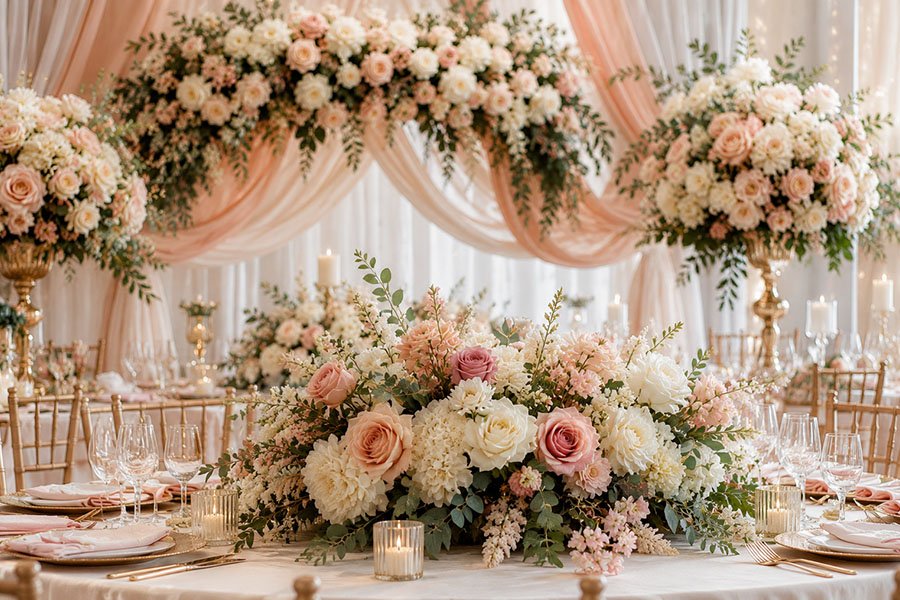
Many couples opt for a mixed approach, utilizing artificial flowers for large installations, backdrops, and centerpieces where durability and cost-effectiveness are key. For personal touches, like the bridal bouquet or boutonnieres, fresh flowers can be incorporated to provide that coveted natural fragrance and feel. This hybrid strategy allows for maximum flexibility, balancing budget, aesthetics, and personal preferences to create a truly unforgettable wedding experience.
Conclusion
Artificial flowers are a practical, elegant, and sustainable option for wedding decor. They are widely accepted, eliminate many common floral challenges, offer significant cost savings, and when chosen and styled well, are far from tacky. Couples can confidently choose artificial blooms for a beautiful and stress-free wedding day.