
Planning a wedding can be complex, and flower choices often add to the stress. Consider artificial flowers as a practical alternative. They offer beauty without the usual challenges of fresh blooms.
Using fake flowers for a wedding is a practical and increasingly popular choice. They provide lasting beauty, consistent appearance, and significant cost savings. High-quality artificial flowers look highly realistic. They allow for stress-free planning and creative customization. This makes them a viable and attractive option for any wedding celebration.
Many people question the use of artificial flowers for such an important event. This guide aims to provide objective advice on how to best utilize them. The insights here come from extensive experience with floral arrangements.
How to make fake flowers look better for a wedding?
Do you worry that artificial flowers might lack the elegance of real ones for a wedding? This is a common concern. With careful selection and arrangement, artificial flowers can achieve a stunning and natural appearance.
To make artificial flowers look better for a wedding, select high-quality materials like silk or real-touch. Incorporate varied textures and shades to add depth and realism. Arrange them thoughtfully in appropriate containers. Proper lighting and strategic placement can also greatly enhance their visual appeal, making them appear more lifelike.
Achieving a realistic and beautiful look with artificial flowers involves several key strategies. These methods focus on enhancing their natural qualities and presentation.
Selecting Quality Materials
The foundation of a beautiful artificial arrangement is the quality of the flowers themselves.
- Material Choice: Opt for silk flowers or those with "real-touch" coatings. These materials offer the most convincing appearance and feel.
- Detail Examination: Look for flowers that show subtle color variations and realistic petal structures. Avoid overly uniform or plastic-looking options.
- Stem Authenticity: Ensure the stems are not bright plastic. Look for wrapped wire stems or those with natural-looking textures and colors.
| Quality Aspect | Description | Importance |
|---|---|---|
| Material Type | Silk, real-touch, latex, high-grade polymer | Directly impacts visual and tactile realism |
| Color Gradient | Natural shifts in hue, not solid blocks | Mimics natural growth patterns, adds dimension |
| Petal Texture | Soft, slightly irregular edges, visible veins | Enhances authenticity, avoids a manufactured look |
| Stem Finish | Wrapped, textured, natural coloration | Crucial for arrangements where stems are visible |
Strategic Arrangement Techniques
The way flowers are arranged significantly impacts their overall look.
- Varying Heights and Textures: Mix flowers of different sizes and shapes. Combine smooth petals with textured foliage to create visual interest.
- Thoughtful Containers: Use high-quality vases or planters that complement the flowers. The container affects the perceived value of the arrangement.
- Avoid Overcrowding: Give each flower space to "breathe." Overstuffing can make an arrangement look dense and less refined.
- Mixing with Naturals: Sometimes, incorporating a few real elements like fresh greenery or branches can enhance realism.
Consider the overall theme of the wedding. For a classic look, focus on traditional floral shapes and soft colors. For a modern aesthetic, experiment with unique textures and clean lines.
Is it okay to use fake flowers for a wedding?
Is it truly acceptable to use artificial flowers for a wedding? This question arises due to traditional expectations. However, using artificial flowers is entirely acceptable and offers significant advantages for many couples.
Yes, it is completely acceptable to use fake flowers for a wedding. They offer durability, consistent appearance, and can be more budget-friendly than fresh flowers. High-quality artificial blooms provide stunning visuals. They also eliminate concerns about wilting, seasonal availability, and allergic reactions, making them a practical and stress-free choice.
The decision to use artificial flowers often comes down to balancing aesthetic desires with practical considerations. Their benefits address many common wedding day challenges.
Practical Benefits of Artificial Flowers
Artificial flowers resolve several issues commonly associated with fresh blooms.
- Durability: They remain vibrant and intact throughout the event, regardless of temperature or handling. This is ideal for long wedding days or outdoor settings.
- Cost-Effectiveness: Artificial flowers can be a more affordable option, especially for out-of-season blooms or large quantities. They can also be reused or resold.
- Allergy-Free: Without pollen, guests and the bridal party avoid allergic reactions, allowing everyone to enjoy the celebration comfortably.
- Year-Round Availability: Any flower variety can be sourced at any time of the year, providing complete design freedom.
| Advantage | Fresh Flowers Consideration | Artificial Flowers Solution |
|---|---|---|
| Longevity | Prone to wilting, sensitive to climate | Maintain appearance throughout the event |
| Cost | Variable, can be expensive, seasonal pricing | More predictable, potentially lower overall cost |
| Availability | Seasonal, limited regional options | Accessible globally, year-round for all types |
| Allergens | Pollen and strong scents can cause reactions | Hypoallergenic, no strong odors |
| Logistics | Perishable, require specific care and transport | Durable, easier to transport and store |
Design Flexibility and Planning
Artificial flowers offer significant flexibility in wedding design and planning.
- Advanced Preparation: Bouquets and arrangements can be completed weeks or months before the wedding. This reduces last-minute stress.
- Precise Color Matching: Achieving exact color palettes is easier with artificial flowers, as their hues are consistent.
- Creative Freedom: Exotic or delicate flowers that might be expensive or difficult to handle fresh are easily incorporated into artificial arrangements.
This allows for greater control over the final aesthetic. Designers can confidently plan complex arrangements without fear of flowers not being available or looking their best.
Sustainable and Reusable Options
For environmentally conscious couples, artificial flowers present an appealing option.
- Reduced Waste: Unlike fresh flowers that are often discarded after the event, artificial flowers can be kept, reused, or donated.
- Lasting Keepsakes: Bridal bouquets can serve as permanent mementos of the special day. They will not fade or dry out over time.
The increasing quality and design of artificial flowers make them a respectable and practical choice for modern weddings.
What are common mistakes in DIY bouquets?
Considering creating your own wedding bouquets with artificial flowers to manage costs? DIY can be a rewarding endeavor. However, several common errors can impact the professional appearance of the final arrangements. Being aware of these mistakes can help ensure a successful outcome.
Common mistakes in DIY artificial bouquets include using low-quality materials, neglecting proper stem preparation, and creating overly stiff or unnatural arrangements. Overcrowding, poor color coordination, and inadequate wiring or binding are also frequent errors. Lack of planning and ignoring principles of balance and proportion often lead to a less polished result. Avoiding these pitfalls is key to success.
Many individuals undertake DIY floral projects with enthusiasm. While the intent is often good, certain recurring issues can detract from the beauty of the finished product. Understanding these challenges is important for any aspiring floral designer.
Material Selection Errors
The choice of materials is fundamental to the bouquet’s quality.
- Inferior Quality Flowers: Using inexpensive, plastic-looking flowers can make the entire bouquet appear cheap and obviously artificial.
- Inconsistent Stems: A mix of different types of artificial stems or stems that clash visually can create a disjointed look.
Neglecting Stem and Base Preparation
Proper preparation of individual flower stems and the bouquet’s base is critical for a professional finish.
- Unrealistic Stem Exposure: Leaving brightly colored plastic or visible wire stems exposed detracts from realism.
- Insufficient Wiring: Not wiring individual elements or not securely binding the bouquet can lead to a loose, unstable arrangement that falls apart easily.
Unnatural Arrangement and Design
Bouquets should mimic the organic flow of real flowers, not look manufactured.
- Excessive Symmetry: Perfectly round or overly symmetrical bouquets can appear artificial. Real flowers grow with natural variations.
- Overcrowding: Packing too many flowers tightly together makes a bouquet look dense, heavy, and can obscure the beauty of individual blooms.
- Lack of Depth: Arranging all flowers at the same height creates a flat, one-dimensional appearance. Varying heights adds dynamism.
| Common Error | Impact on Bouquet Appearance | Recommended Solution |
|---|---|---|
| Low-Quality Flowers | Looks cheap, obviously fake | Invest in high-grade silk or real-touch materials |
| Poor Stem Finish | Exposed plastic, visible wires | Trim, wrap with floral tape, or use ribbon |
| Over-Symmetry | Stiff, unnatural, lacks organic feel | Embrace varied heights, angles, and natural asymmetry |
| Overcrowding | Bulky, flowers appear squashed | Allow space between blooms, create focal points |
| Inconsistent Colors | Clashes, looks messy, lacks elegance | Develop a cohesive color palette, limit main hues |
| Weak Binding | Falls apart, flowers shift, difficult to hold | Securely wire and tape all elements, use strong bind |
Poor Color and Texture Harmony
Effective use of color and texture enhances the bouquet’s appeal.
- Clashing Color Schemes: Using too many disparate colors without careful coordination can result in a chaotic and unharmonious bouquet.
- Monotonous Texture: A bouquet composed of only smooth, uniform petals lacks visual and tactile interest. Incorporate varied textures with foliage or different flower types.
Careful planning, including creating a visual reference or mood board, can prevent many of these common DIY mistakes.
How to make fake flowers look expensive?
Is there a way to ensure artificial flowers convey luxury and sophistication rather than appearing cheap? This concern is understandable. By focusing on specific quality indicators and sophisticated arrangement techniques, artificial flowers can indeed look high-end and elegant.
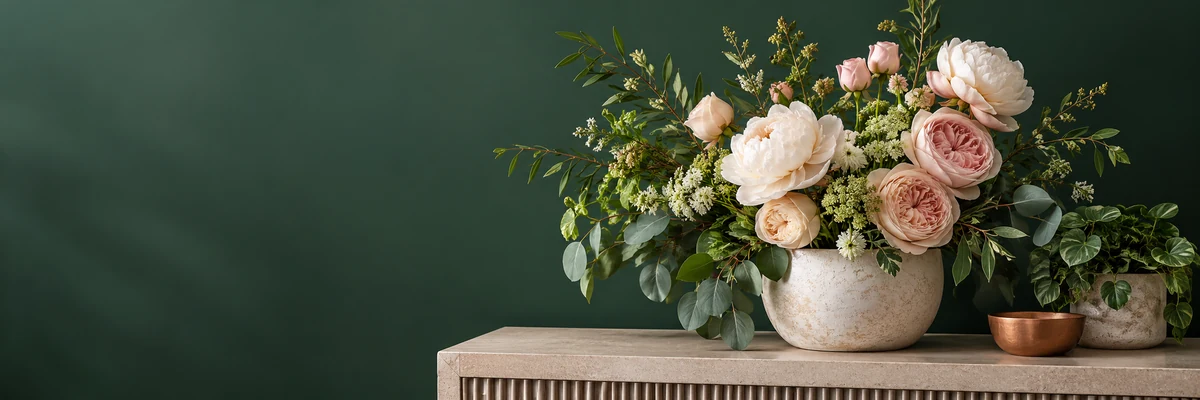
To make artificial flowers look expensive, prioritize high-quality silk or real-touch materials. Choose refined, often muted, color palettes. Emphasize realistic details such as natural color variations, varied petal shapes, and authentic-looking stems. Utilize elegant, premium containers. Arrange them with care, allowing for natural spacing, and maintain their cleanliness.
Creating an expensive look with artificial flowers involves more than just selecting pretty blooms. It requires a deliberate approach to material quality, color, and presentation.
Prioritizing High-Quality Materials
The perceived value of artificial flowers starts with their construction.
- Material Excellence: Opt for premium materials like high-grade silk, latex, or specialized real-touch fabrics. These materials accurately mimic the look and feel of fresh flowers.
- Attention to Detail: Examine petals for subtle color shifts, natural veining, and realistic imperfections. These details are crucial for authenticity.
- Naturalistic Stems: Ensure stems are not made of shiny plastic. Look for wrapped wire stems, or those with realistic texture and color variation.
Sophisticated Color Palettes
Color choice significantly influences the perceived cost and elegance.
- Muted and Earthy Tones: Soft, muted, or pastel shades often appear more luxurious than overly bright or saturated colors.
- Monochromatic or Analogous Schemes: Using varying shades of a single color or colors adjacent on the color wheel creates a sophisticated, cohesive look.
- Rich Jewel Tones: For a dramatic and opulent feel, deep jewel tones like emerald green, sapphire blue, or ruby red can convey luxury when used thoughtfully.
| Aspect of Luxury | "Inexpensive" Look Characteristics | "Expensive" Look Characteristics |
|---|---|---|
| Flower Material | Shiny plastic, visible molding lines | High-grade silk, real-touch, natural matte finish |
| Color Depth | Flat, uniform, artificial vibrancy | Subtle gradients, natural variations, deep hues |
| Petal Realism | Identical shapes, smooth edges | Varied shapes, delicate textures, visible veins |
| Stem Construction | Bright green plastic, stiff wire exposure | Wrapped, flexible, naturalistic coloration |
| Arrangement Style | Overcrowded, symmetrical, stiff | Organic, airy, varied dimensions, strategic spacing |
| Container Quality | Basic glass, mass-produced ceramic | Hand-blown glass, textured ceramic, metallic finishes |
Thoughtful Arrangement and Presentation
Even the finest artificial flowers need expert arrangement and display.
- Minimalism and Space: An arrangement that allows flowers room to breathe often appears more upscale than an overstuffed one.
- Texture Variety: Combine different textures—smooth petals, textured foliage, matte berries—to add richness and visual interest.
- High-Quality Vessels: The container is vital. Use elegant vases made of ceramic, cut glass, brushed metal, or unique artisanal pieces.
- Strategic Lighting: Display arrangements in soft, natural light if possible. Harsh overhead lighting can sometimes expose artificiality.
- Regular Maintenance: Keep artificial flowers clean and dust-free. Dust accumulation makes them look neglected and cheap.
A subtle technique is to gently bend and shape petals and leaves. This adds a more organic, less rigid appearance.
My insights: Elevating Your Wedding with Faux Flowers
Dreaming of stunning wedding florals without the wilting worries or sky-high costs? Fake flowers can be incredibly beautiful! Learn how to make them look absolutely real and luxurious for your big day.
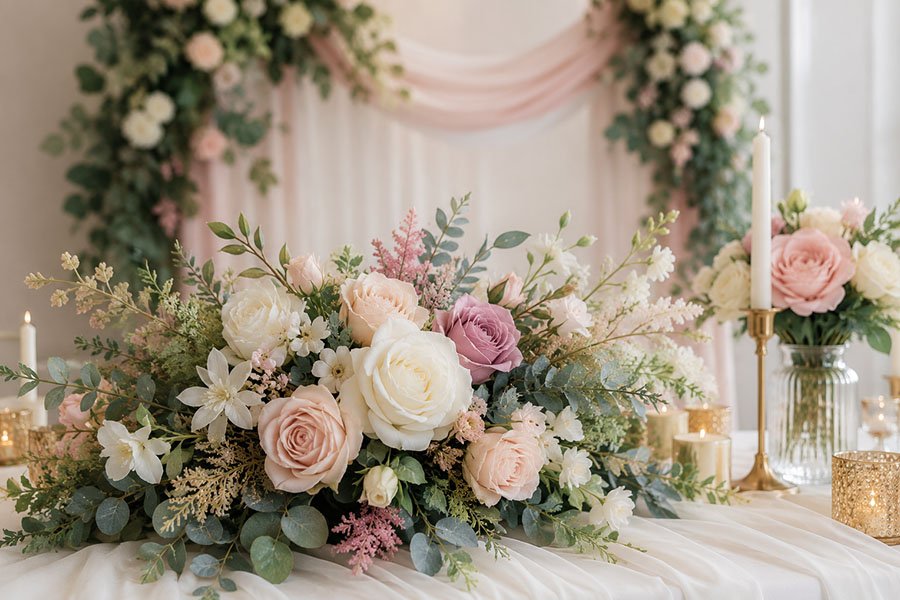
To successfully use fake flowers for a wedding, prioritize high-quality, realistic materials, and vary their types, sizes, and textures for natural dimension. Incorporate real greenery or strategically mix with fresh blooms, and fluff and shape stems to avoid stiffness. Thoughtful placement in key areas like arches, centerpieces, and backdrops ensures maximum impact and elegance.
Mastering the Art of Faux Floral Design
Utilizing fake flowers for your wedding can be a smart and beautiful choice, offering durability and reusability without sacrificing elegance. The key lies in strategic selection and thoughtful styling to maximize their realistic appeal.
Selection and Realism
- Invest in Quality: Opt for "real touch" or silk flowers with subtle color variations and natural textures. Avoid overly vibrant or plastic-looking options.
- Mix and Match: Combine different types, sizes, and textures of blooms, just as in nature. Integrate varied greenery to enhance the organic feel.
- Color Palette: Stick to natural, muted tones (soft whites, blushes, greens) that blend seamlessly into wedding décor.
Styling and Arrangement
- Fluff and Shape: Artificial stems are often compressed. Bend wires, spread petals, and trim excess leaves to give them a looser, more natural shape.
- Strategic Placement: Use faux flowers in areas where durability is crucial or close-up scrutiny is less likely. Excellent for:
- Ceremony arches and backdrops
- Hanging installations
- Table centerpieces and runners
- Photo booth areas
- Bouquets and boutonnieres (especially for destination weddings or long events)
- Add Real Elements: Blend in real greenery like eucalyptus or ferns, or even a few fresh focal flowers in bouquets, to instantly elevate realism and add natural fragrance.
- Securely Assemble: Use floral foam, tape, or wire to ensure arrangements maintain their shape during transport and throughout the event.
Enhancements and Practicality
- Scented Sprays: Consider light floral sprays to mimic the fragrance of real flowers, adding a sensory dimension.
- Lighting: Soft lighting, such as candles or string lights, can enhance the warmth and beauty of artificial flowers, making them appear even more realistic.
- Reuse and Keepsakes: Faux flowers make wonderful keepsakes, centerpieces for future events, or home décor.
| Tip Category | Do’s | Don’ts |
|---|---|---|
| Selection | Choose "real touch" or silk; vary sizes & textures | Buy cheap, shiny plastic flowers; stick to uniform blooms |
| Styling | Fluff stems; mix with real greenery; use varied heights | Keep stems stiff; omit natural elements; make arrangements too rigid |
| Placement | Arches, backdrops, centerpieces; high-traffic areas | Expect them to perfectly fool everyone up close for bridal bouquets (unless very high quality) |
| Enhancements | Add subtle fragrance sprays; use soft lighting | Over-spray with strong scents; use harsh, direct lighting |
Conclusion
Artificial flowers offer a versatile and practical option for weddings. By choosing high-quality materials, arranging them thoughtfully, and avoiding common pitfalls, you can create stunning and elegant floral displays that enhance your special day.