
Are you seeking long-lasting beauty without the constant upkeep of fresh blooms? The quest for durable and versatile floral decor often leads to a practical solution many overlook.
Artificial flowers provide numerous advantages over fresh options, delivering sustained aesthetic appeal, significant cost savings, and remarkable versatility for various settings. Their inherent durability and minimal maintenance requirements establish them as a practical choice for enhancing any environment without the typical challenges associated with natural flora.
The evolution of artificial floral design has transformed perceptions, proving that beauty can be both enduring and practical. This exploration will detail the key benefits that make artificial flowers a compelling choice for both personal and professional decoration.
What Are the Disadvantages of Artificial Flowers?
Considering artificial flowers for your decor needs, but concerned about potential drawbacks? It is common to evaluate all aspects before making a decision, and understanding any limitations is an important part of this process.
While artificial flowers offer many benefits, they do have some disadvantages, such as the absence of natural fragrance and potentially higher initial purchasing costs. However, these points are frequently offset by their extended lifespan, consistent appearance, and the convenience of requiring very little care over time.
A balanced perspective is essential when comparing artificial and natural flowers. While they excel in many areas, acknowledging their specific limitations helps in making informed decisions for any decorative project.
Initial Investment vs. Long-Term Value
A primary consideration for artificial flowers is their initial purchase price. This can be higher than a single fresh bouquet. However, this perspective often shifts when considering long-term use. For settings requiring continuous floral displays, such as event venues or commercial spaces, the repeated cost of fresh flowers accumulates rapidly. Artificial flowers represent a one-time investment that can endure for many years, eliminating recurring expenses.
| Aspect | Fresh Flowers | Artificial Flowers |
|---|---|---|
| Initial Cost | Lower | Higher |
| Maintenance Cost | High (replacement, care) | Very low (dusting) |
| Longevity | Days to a week | Years |
| Overall Value | Short-term aesthetic | Long-term investment |
Absence of Natural Scent
A distinct characteristic of fresh flowers is their natural fragrance, which artificial flowers cannot replicate. For individuals who value the aromatic experience of natural blooms, this can be a notable difference.
- Complementary aromas: Integrating scented diffusers or candles near artificial arrangements can introduce desired fragrances into a space.
- Visual priority: For many decorative applications, particularly in large public spaces or retail environments, the visual impact and aesthetic appeal are the primary objectives.
Perception of Authenticity
Some individuals may harbor concerns that artificial flowers lack genuine appearance or convey a less sophisticated impression. This perception often stems from lower-quality products of the past. Modern manufacturing techniques have significantly improved realism.
- Material innovation: Contemporary artificial flowers utilize advanced materials designed to mimic natural textures and appearances closely.
- Craftsmanship details: High-quality artificial flowers feature meticulous design, including natural color variations, realistic petal shapes, and authentic leaf textures.
Environmental Considerations
While advancements are made in using eco-friendly materials, the production process for any manufactured item has an environmental footprint. However, contrasting this with the environmental impact of fresh flower cultivation—including water consumption, extensive transportation, and the disposal of decaying blooms—offers a broader view. The longevity of artificial flowers reduces the frequency of replacement, thereby minimizing long-term waste.
- Sustainable material focus: Many manufacturers prioritize environmentally conscious materials and production methods.
- Reduced waste over time: The extended lifespan of artificial flowers contributes to less frequent disposal, lessening overall waste.
Which Fake Flower Looks the Most Real?
Are you seeking artificial flowers that genuinely appear authentic and are difficult to distinguish from natural blooms? There is often skepticism regarding the realism of artificial flora, yet advancements in design have yielded remarkably lifelike options.
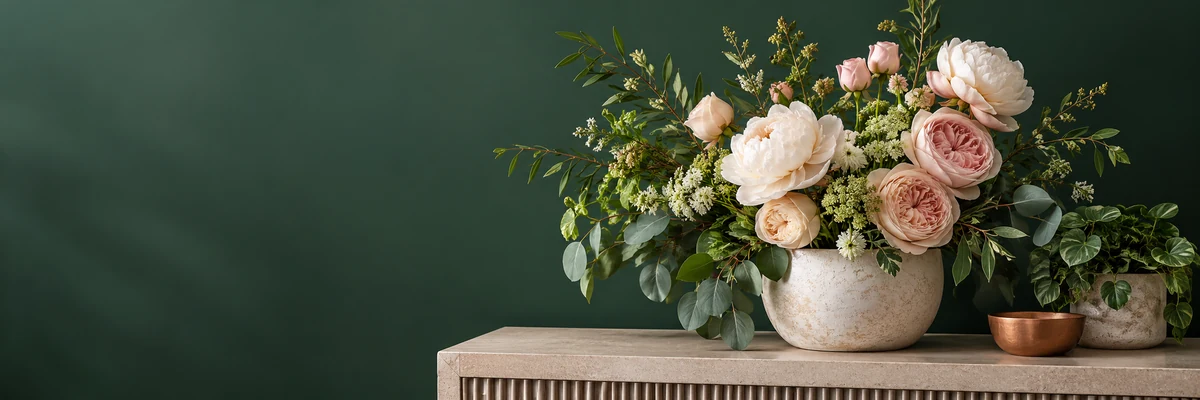
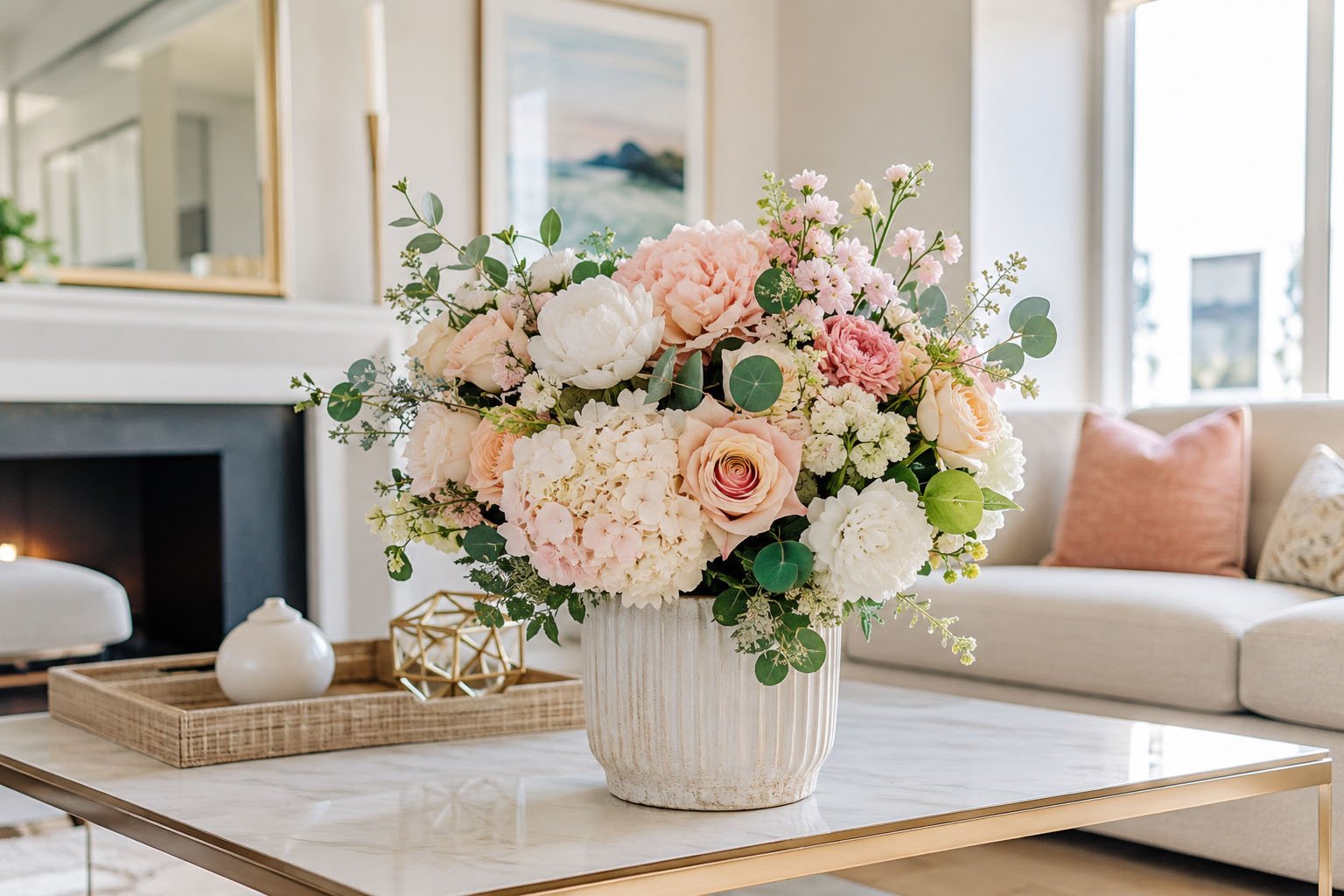
The most realistic artificial flowers are typically crafted from high-grade silk or "real touch" materials, such as latex and polyurethane, meticulously engineered to replicate natural textures and subtle imperfections. Flowers like roses, orchids, hydrangeas, and peonies frequently achieve an impressive level of authenticity, making them nearly indistinguishable from their living counterparts.
Achieving high realism is a key focus in modern artificial floral design. The goal is to provide visual impact that mirrors nature’s intricate beauty without its inherent impermanence.
The Innovation of "Real Touch" Materials
"Real touch" technology represents a significant advancement in artificial flower realism. These materials, including latex, silicone, and polyurethane, are designed to emulate not only the visual characteristics but also the tactile feel of fresh petals.
- Polyurethane (PU) and Latex: These materials impart a soft, pliable, and slightly waxy texture to petals, closely mirroring natural flowers. They also exhibit excellent shape retention.
- High-Quality Silk: When processed with multiple layers and detailed hand-painting, premium silk flowers can achieve remarkable lifelike qualities, often incorporating subtle color variations found in nature.
Leading Examples of Realistic Artificial Flowers
Certain flower species are particularly well-suited for artificial replication due to their distinct textures and forms, allowing for highly convincing representations.
Roses
Artificial roses have seen substantial improvements in realism. Modern designs incorporate intricate petal structures, natural color gradients, and even subtle textual details on stems and leaves to enhance authenticity.
| Feature | High-Quality Artificial Roses | Real Roses |
|---|---|---|
| Petal Texture | Soft, real-touch material | Delicate, varied textures |
| Color Variation | Natural gradients | Slight natural differences |
| Stem Details | Realistic textures, leaves | Natural stems, fresh leaves |
| Lifespan | Years | Days |
Orchids
With their naturally waxy petals and elegant structures, orchids are excellent candidates for artificial replication. The inherent stiffness of their petals translates effectively into high-quality artificial materials, resulting in highly convincing displays.
- Phalaenopsis Orchids: These are often rendered with stunning accuracy, capturing their delicate forms and vibrant hues.
- Cymbidium Orchids: Their characteristic clustered blooms also appear very natural in high-quality artificial versions.
Hydrangeas
The full, clustered appearance of hydrangeas makes them ideal for artificial reproduction. When crafted with quality silk, individual florets combine to create a lush, voluminous bloom that is often indistinguishable from its natural counterpart.
- Consistent Fullness: Artificial hydrangeas maintain a consistent volume and shape over time.
- Color Stability: Unlike fresh hydrangeas that can wilt or change color, artificial versions retain their original vibrant hues.
Peonies
Known for their abundant, layered petals, peonies are another flower that achieves remarkable realism when produced artificially. The numerous layers of silk or real-touch material create a luxurious and full bloom.
- Multi-layered Petals: High-quality artificial peonies feature many layers, closely mimicking their natural voluminous structure.
- Classic Appeal: They convey the same romantic and opulent aesthetic as fresh peonies, without being limited by seasonality.
Identifying High-Quality Artificial Flowers
When selecting artificial flowers, specific details can indicate superior quality and realism.
- Material Inspection: Look for materials such as silk, latex, or polyurethane. Avoid overtly shiny or cheap plastics.
- Color Blending: Observe if colors show subtle gradations, replicating natural variations found in real flowers.
- Stem and Leaf Detail: Stems should exhibit natural variations in thickness and texture, and leaves should feature visible veins and organic curves.
- Craftsmanship: Examine for clean finishes, securely attached components, and an absence of visible glue or manufacturing flaws.
How Long Do Artificial Flowers Last?
Are you wondering about the durability of artificial flowers and how long they can maintain their aesthetic appeal? It is a common query, as the expectation for "fake" items is sometimes a short lifespan, which contrasts with the reality of modern artificial flora.
High-quality artificial flowers, particularly those manufactured from resilient materials like treated silk or advanced real-touch fabrics, can retain their beauty and vibrancy for many years, often exceeding a decade, with appropriate care. This exceptional longevity positions them as a cost-effective and sustainable decorative choice, consistently enhancing environments without the need for frequent replacement.
The extended lifespan of artificial flowers is a key benefit, differentiating them from natural blooms that are inherently temporary. Understanding the factors that contribute to this durability helps in appreciating their long-term value.
Factors Influencing Longevity
The duration for which artificial flowers remain pristine is influenced by several elements, including the quality of their materials, their exposure to environmental conditions, and the level of care they receive.
Material Quality
The foundational material used is the most significant determinant of an artificial flower’s lifespan.
- Silk: Good quality silk, often treated for UV resistance, can maintain its appearance for 5-10 years when kept indoors without significant fading.
- Real Touch (PU, Latex, Silicone): These materials exhibit exceptional durability, capable of lasting 10 or more years, even with some exposure to light.
- High-Grade Plastics: When used for outdoor greenery, high-quality plastics are engineered to endure extreme weather conditions for several years.
Environmental Exposure
The placement of artificial flowers significantly impacts their longevity.
- Indoor Placement: When protected from direct, prolonged sunlight and extreme temperature fluctuations, artificial flowers can preserve their aesthetic for many years.
- Outdoor Placement: For exterior use, UV-resistant options are recommended. While outdoor elements will eventually cause wear, these products are designed to withstand sun, rain, and wind for extended periods.
Extending the Lifespan of Artificial Flowers
Simple and consistent care practices can significantly prolong the life and appearance of artificial floral arrangements.
Regular Dusting
Dust accumulation is a primary concern for artificial decor.
- Gentle tools: Employ a soft cloth, a feather duster, or a soft-bristled brush for routine dust removal.
- Targeted cleaning: Compressed air can effectively clear dust from intricate areas and crevices.
Occasional Cleaning
Beyond dusting, periodic deeper cleaning may be necessary.
- Mild solution: For silk flowers, a light wipe with a damp cloth containing a small amount of mild soap can remove grime. Ensure complete air drying.
- Chemical avoidance: Harsh chemical cleaners should be avoided as they can damage materials and cause discoloration.
Strategic Positioning
Thoughtful placement helps protect artificial flowers from degrading elements.
- Indirect sunlight: Although products are often color-fast, sustained direct sunlight can lead to gradual fading over many years. Choose locations with indirect light.
- Away from heat: Excessive heat from radiators or direct heating vents can impact certain materials over prolonged periods.
Benefits of Longevity for Commercial Applications
For businesses such as event planners, interior designers, and retail establishments, the longevity of artificial flowers translates into significant operational advantages.
- Cost Efficiency: Eliminates the continuous expenditure on replacing perishable decor.
- Sustainability Contribution: Reduces consumption and waste, aligning with eco-conscious business practices.
- Consistent Branding: Ensures a uniform and high-quality aesthetic is maintained across all displays and events over time.
What Flowers Should Not Be Mixed Together?
Are you curating a floral arrangement and concerned about creating a cohesive and aesthetically pleasing display? Many wonder if certain flowers are visually incompatible, a valid consideration for harmonious design.
While artificial flowers lack the biological incompatibilities of real plants, the concept of "not mixing" refers primarily to aesthetic clashes in style, color, or perceived quality. Avoiding combinations that starkly contrast in their design era (e.g., modern with overly traditional) or quality can help ensure the overall arrangement appears unified and visually appealing.
Successful artificial floral arrangements prioritize visual balance and design consistency. It is about creating a deliberate aesthetic statement rather than merely assembling various blooms.
Aesthetic Incompatibilities in Artificial Arrangements
With artificial flowers, the principles for mixing focus on visual harmony and preventing jarring juxtapositions. The aim is to avoid combinations that appear disorganized or unprofessional.
Style Disparities
Combining artificial flowers from dramatically different aesthetic categories can result in a discordant appearance.
- Contemporary vs. Classic: A sleek, minimalist artificial calla lily might visually clash with a highly ornate, antique-style silk rose.
- Rustic vs. Formal: Artificial wildflowers presented with a rustic burlap wrap may not integrate seamlessly with sophisticated, crystal-embellished orchids.
- Resolution: Establish a clear theme for the arrangement. If the decor is rustic, select flowers that complement that aesthetic. If it is modern, favor clean lines and contemporary forms.
Discrepancies in Perceived Quality
Mixing artificial flowers of significantly different quality levels can diminish the overall impression of the arrangement.
- Premium with Low-Grade: Placing a highly realistic "real touch" peony next to a poorly constructed, overtly plastic daisy will highlight the inferior quality and detract from the beauty of the premium item.
- Resolution: Ensure all components within an arrangement adhere to a consistent standard of quality. This promotes a cohesive and sophisticated look.
Excessive Color Combinations
While artificial flowers offer boundless color choices, integrating too many strong, contrasting colors without careful consideration can create an overwhelming visual effect.
- Uncoordinated Hues: An arrangement featuring numerous bright primary colors without a unifying element can appear chaotic rather than vibrant.
- Resolution:
- Color Scheme: Select a dominant color and 1-2 complementary or analogous colors to build the palette.
- Neutral Elements: Incorporate ample green foliage and neutral tones (such as whites or creams) to soften intense color combinations.
- Example: A vibrant mix of artificial red poppies, blue cornflowers, and yellow sunflowers might appear busy without sufficient green foliage or white accents to balance the strong hues.
Practical Considerations for Artificial Mixes
Beyond purely aesthetic considerations, practical aspects can also influence how well different artificial flowers "mix" within an arrangement.
Scale and Proportion
Mixing flowers with vastly different sizes and proportions without thoughtful arrangement can lead to an unbalanced visual.
- Disproportionate Sizes: A very large artificial sunflower could visually overpower delicate artificial lily-of-the-valley if not arranged with skilled precision.
- Resolution: Vary the heights and depths of the flowers. Utilize larger blooms as focal points and smaller ones as fillers to create a natural and harmonious visual flow.
Stem Flexibility and Structural Weight
The flexibility and weight of artificial flower stems vary, which can impact their stability and positioning within an arrangement.
- Heavy Heads on Weak Stems: A large, heavy artificial flower head supported by a very thin, flexible wire stem may tend to droop.
- Resolution: Employ floral wire, supportive foam, or other structural aids to ensure all flowers remain upright and in their intended positions, which is crucial for dynamic, multi-flower displays.
My Insights: The Enduring Charm of Artificial Flowers
Tired of wilting bouquets and constant upkeep? Discover why artificial flowers are a smart, beautiful, and sustainable choice for every space.
Artificial flowers offer numerous advantages, including zero maintenance, long-lasting beauty without wilting, cost-effectiveness over time, and year-round availability. They are also allergy-friendly, versatile for any environment, pet-safe, and provide immense creative freedom, making them a practical and aesthetically pleasing alternative to fresh blooms.
Why Faux Blooms Flourish: A Deeper Look
Artificial flowers have evolved significantly, now offering stunning realism coupled with unparalleled practicality. Their benefits extend beyond mere aesthetics, providing solutions for various decorative challenges and lifestyle needs.
Unmatched Longevity and Low Upkeep
| Feature | Real Flowers | Artificial Flowers | Advantage of Artificial |
|---|---|---|---|
| Lifespan | Days to weeks | Years | No wilting, fading, or drooping; consistent beauty |
| Maintenance | Daily watering, trimming, sunlight, vase changes | Occasional dusting | Saves time, effort, and resources |
| Cost | Recurring expense | One-time purchase | More economical over time for sustained decor |
Health, Safety, and Versatility
Artificial flowers are a superior choice for environments where real plants might struggle or pose issues. Their inert nature makes them ideal for sensitive individuals and households with pets.
- Allergy-Friendly: Completely pollen-free and odorless, eliminating concerns for allergy sufferers.
- Pet-Safe: A non-toxic alternative, preventing accidental poisoning of curious pets.
- Adaptable Placement: Thrive in any setting—low-light areas, bathrooms, or even outdoors (with UV-resistant varieties) where real flowers wouldn’t survive. This flexibility ensures a vibrant touch in otherwise barren spaces.
Creative Freedom and Consistent Aesthetics
With artificial flowers, your decorative vision knows no bounds. You gain complete control over your arrangements, allowing for endless possibilities in design and display.
- Year-Round Availability: Access any flower variety, color, or style, regardless of the season, ensuring your favorite blooms are always at hand.
- Design Flexibility: Easily mix and match different types, reshape stems, and rearrange without fear of damage. This allows for personalized, evolving decor.
- Consistent Decor: Maintain a perfect, unchanging look in homes, offices, and event spaces, crucial for branding or long-term ambiance.
- Sustainable Choice: Many modern artificial flowers are crafted from durable, sometimes recyclable materials, reducing the environmental impact associated with the frequent harvesting and transportation of fresh flowers.
Conclusion
Artificial flowers offer substantial advantages, including lasting beauty, minimal maintenance, and extensive customization options, positioning them as an excellent choice for diverse decor requirements. They represent a cost-effective and environmentally conscious solution that consistently delivers enduring aesthetic appeal.