
Are you seeking to enhance your indoor or outdoor spaces with greenery that remains vibrant and flawless without constant care? The challenges of maintaining live plants, from watering schedules to light requirements, can often outweigh their aesthetic benefits.
In 2025, purchasing the best artificial silk plants or trees requires focusing on exceptional realism, long-term durability, and customizable options from reputable manufacturers. Prioritize detailed craftsmanship, high-quality materials, and efficient logistics to ensure your decorative investment provides lasting appeal in any environment.
Choosing high-quality artificial plants and trees is not just a matter of convenience; it is about creating aesthetically pleasing and functional spaces. These products offer a consistent visual impact, free from the common issues associated with natural foliage.
Who Sells the Most Realistic Fake Plants?
Are you looking for artificial plants that are nearly indistinguishable from their natural counterparts, capable of truly enhancing a space? Concerns about artificial plants appearing obviously fake or cheap often deter potential buyers from considering them as a viable decor option.
The most realistic fake plants are sold by specialized producers that emphasize botanical accuracy, premium materials, and intricate detailing. Leading manufacturers invest in advanced production techniques to replicate the textures, colors, and subtle imperfections found in natural foliage, ensuring a lifelike appearance.
Achieving realism in artificial plants involves a deep understanding of natural botanical structures and advanced material science. Manufacturers committed to realism meticulously study leaf venation, stem patterns, and natural color variations. They utilize high-grade materials and specialized processes to mimic these characteristics. For instance, multi-tonal painting and precise molding techniques allow for the replication of subtle growth patterns and tactile qualities. This dedication ensures that the products meet the high standards required for diverse applications, from residential decor to commercial installations.
Key Factors in Realism:
-
Material Composition: What materials best replicate natural plant features?
- High-Grade Silk: Provides a soft, natural touch and allows for nuanced color application.
- Advanced Latex: Used for leaves and stems, offering flexibility and a lifelike feel.
- Specialized Plastics: Engineered to replicate bark textures or succulent forms with precision.
- Internal Wiring: Allows for custom shaping and positioning, mirroring natural plant growth.
-
Color Gradation: Why are subtle color variations crucial for authenticity?
- Natural plants exhibit diverse color shifts, from new growth to mature leaves, and sun exposure variations.
- Sophisticated manufacturers employ multi-stage coloring and hand-painting to reproduce these natural hues and gradients.
- This technique adds depth and avoids the uniform, artificial look.
-
Botanical Accuracy: How precisely do the artificial plants mirror real species?
- Exact replication of leaf shapes, vein patterns, and stem structures is essential.
- The attachment points of leaves to stems and the branching patterns must be botanically correct.
- Attention to these details ensures the plant’s overall form is convincing.
-
Textural Replication: Can the texture enhance the illusion of reality?
- High-quality artificial plants accurately simulate the varied textures of natural elements, such as rough bark or smooth petals.
- Some even incorporate minor natural imperfections or slight surface variations to heighten realism.
| Feature | Low-Quality Artificial Plants | High-Quality Realistic Artificial Plants |
|---|---|---|
| Materials | Basic plastic, coarse fabric | High-grade silk, latex, engineered PVC |
| Coloring | Solid, uniform, often bright | Multi-tonal, nuanced, hand-applied |
| Details | Visible molds, rough edges | Intricate veining, naturalistic flaws |
| Feel | Stiff, overtly plastic | Soft, flexible, natural texture |
| Longevity | Prone to fading, quick wear | Durable, color-stable, long-lasting |
Are Fake Plants Out of Style in 2025?
Is there a concern that incorporating artificial greenery might make a space appear dated or unfashionable? The apprehension that fake plants might diminish a modern aesthetic often prevents individuals from exploring contemporary, low-maintenance decor solutions.
No, artificial plants are not out of style in 2025; they are increasingly embraced within modern interior design, driven by significant advancements in realism, environmental considerations, and evolving lifestyle preferences. Their low maintenance, hypoallergenic properties, and ability to provide consistent beauty make them a highly sought-after decorative element in various settings.
The current landscape of interior design shows a strong trend towards artificial plants as a sophisticated decor choice. This shift is largely due to vast improvements in manufacturing quality, which now allows for products that are highly realistic and visually appealing. Designers and consumers value the practical benefits, such as freedom from care and suitability for any environment, regardless of light or temperature conditions. The global market reflects this growing acceptance, with artificial plants being utilized in diverse applications, from residential homes to large commercial projects. This sustained demand underscores their enduring relevance and stylish integration into contemporary spaces.
Why Artificial Plants Remain Stylish:
-
Improved Realism: How have advancements transformed their appearance?
- Contemporary artificial plants are crafted with meticulous attention to detail.
- They replicate natural textures, colors, and growth patterns so accurately that they are frequently mistaken for real plants.
- This enhanced realism positions them as a sophisticated addition to any decor scheme.
-
Sustainable Considerations: How do these products align with eco-friendly practices?
- Durable artificial plants offer a sustainable alternative by reducing the need for continuously harvested fresh cut flowers.
- They eliminate resource consumption such as water, pesticides, and fertilizers, common with live plants.
- Many manufacturers are also moving towards using more environmentally friendly materials in their production processes.
-
Lifestyle Adaptability: Why do modern lifestyles favor artificial plants?
- Demanding schedules often leave little time for plant care. Artificial plants require no watering, pruning, or specific environmental conditions.
- They are ideal for challenging locations like dimly lit offices, inaccessible areas, or environments where consistent maintenance is impractical.
- This convenience allows for sustained aesthetic appeal without effort.
-
Design Versatility: How do artificial plants expand decorative possibilities?
- Artificial plants can be placed in virtually any location, independent of light, humidity, or temperature constraints.
- This flexibility enables designers to introduce greenery into spaces where live plants would not thrive, enriching the visual environment.
- They also provide consistent aesthetic quality, ensuring a decor scheme maintains its intended look year-round.
| Factor | Live Plants | Artificial Plants (High-Quality) |
|---|---|---|
| Maintenance | High (watering, light, pruning) | Very Low (periodic dusting) |
| Longevity | Limited, sensitive to environment | Indefinite, robust |
| Allergies | Potential allergen source | Hypoallergenic |
| Cost (Long-term) | Ongoing expense for replacement, care | Initial investment, minimal recurring |
| Design Flexibility | Constrained by environmental requirements | Unlimited placement, consistent aesthetic |
| Environmental Impact | Water usage, chemical treatments, transport | Reduced resource consumption in use |
Who Has the Most Realistic Fake Trees?
Are you considering integrating the majestic presence of a tree into an indoor or outdoor setting without the complexities of live tree maintenance? A common concern is that artificial trees might look obviously synthetic, diminishing the overall aesthetic of a well-designed space.
The most realistic fake trees are provided by suppliers specializing in large-scale botanical reproductions, with a strong focus on authentic bark textures, intricate branch formations, and varied foliage density. Top manufacturers utilize advanced material combinations and expert craftsmanship to replicate the imposing presence of natural trees, achieving a lifelike appearance from the base to the topmost leaves.
Creating highly realistic artificial trees demands a sophisticated approach to design and manufacturing. This includes meticulous attention to the trunk’s surface, which should accurately mimic the texture, color, and natural irregularities of real bark. The branching structure is equally important, requiring varied thicknesses and organic growth patterns that can often be shaped by hand. Manufacturers dedicated to realism integrate these features through specialized molding, painting, and assembly techniques. This comprehensive approach ensures that even large artificial trees contribute significantly to a space’s visual impact, providing grandeur without the associated upkeep.
Elements of a Realistic Artificial Tree:
-
Trunk and Branches Detailing: What features contribute to an authentic base?
- Natural Textures: The trunk should exhibit a realistic bark texture, avoiding a smooth, artificial finish.
- Varied Proportions: Real tree trunks taper, and branches vary in thickness; these details are crucial for realism.
- Hand-Applied Finishes: Subtle color variations and shading on the trunk add depth and an aged appearance.
- Organic Branching: Branches should extend in natural, slightly asymmetrical patterns, not rigid or perfectly uniform lines.
-
Foliage Quality and Distribution: How do the leaves create a natural illusion?
- Leaf Material Excellence: High-grade silk or latex leaves with accurate veining and subtle color transitions are fundamental.
- Appropriate Density: The tree should have sufficient foliage to appear lush, but not so dense that it looks unnatural or overwhelming.
- Leaf Size Variation: Incorporating slight variations in leaf sizes, similar to natural trees, enhances authenticity.
-
Overall Structural Silhouette: Does the tree’s form replicate a natural shape?
- The overall shape and spread of the artificial tree should closely mimic its natural botanical counterpart.
- Consider how light interacts with the leaves and branches, creating natural shadows and highlights that deepen the illusion.
- A well-designed artificial tree possesses a balanced, organic, and visually convincing form.
| Tree Component | Key Realism Indicators | What to Avoid |
|---|---|---|
| Trunk/Stem | Realistic bark texture, nuanced coloring, natural taper | Smooth plastic, uniform color, obvious seams |
| Branches | Varied thickness, organic patterns, malleable internal wire | Stiff, perfectly straight, overly symmetrical |
| Leaves/Foliage | Premium silk/latex, accurate veining, varied shades, natural drape | Cheap plastic, solid color, identical shapes, excessive sheen |
| Base/Pot | Weighted, stable, natural-looking filler (e.g., moss) | Lightweight, unstable, plain plastic base, no filler |
| Overall Shape | Organic, slightly asymmetrical, mimics natural growth | Too symmetrical, rigid, unnatural spread |
Who Has the Best Silk Plants?
Are you seeking to introduce elegance and vibrant natural aesthetics into your environment with the practical benefits of artificial decor? A common misconception is that "silk plants" evoke images of outdated, low-quality items. This often leads to overlooking the sophisticated, high-end options available today.
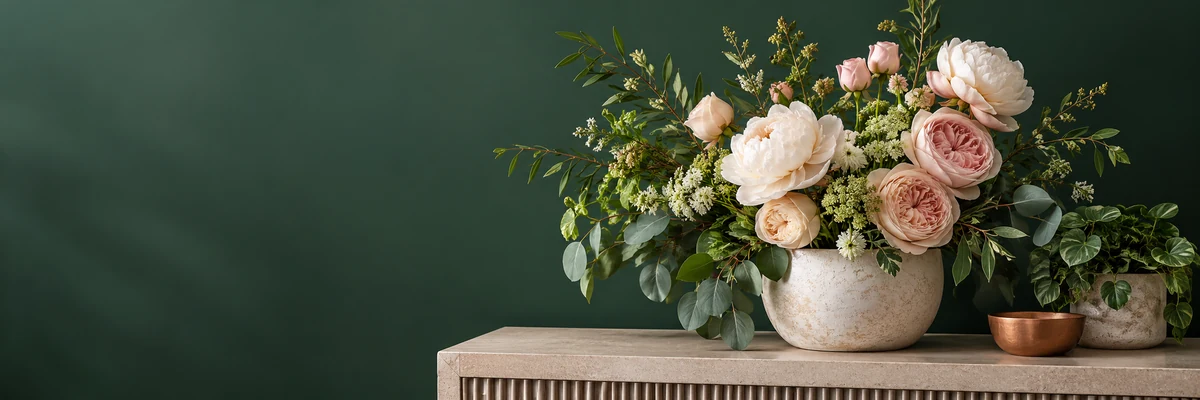
The best silk plants are sourced from premier manufacturers that employ high-grade silk and advanced production methods to achieve exceptional realism, rich and enduring colors, and intricate botanical detail. These products offer a luxurious, soft-touch aesthetic, making them highly suitable for upscale interior design, event decor, and commercial spaces where superior quality is paramount.
The term "silk plant" now represents a category of artificial greenery that emphasizes superior quality and refined aesthetics. Manufacturers committed to this standard utilize premium silk fabrics and sophisticated techniques, including specialized dyeing and hand-finishing, to accurately reproduce the delicate textures and vibrant hues of real flowers and foliage. This dedication ensures that each piece not only looks authentic but also provides a pleasant tactile experience. Such high-quality silk plants are essential for designers and businesses that require durable, visually impactful decor capable of elevating any setting and maintaining its pristine appearance over extended periods.
Hallmarks of Superior Silk Plants:
-
Premium Silk Material: What distinguishes high-quality silk in artificial plants?
- High-grade silk fabric offers a soft, pliable texture that authentically mimics real petals and leaves.
- This material excels in absorbing dyes, enabling richer, more natural color variations and gradients.
- It is significantly more durable and less prone to fraying compared to lower-quality fabrics.
-
Intricate Detailing: How much craftsmanship is invested in each component?
- Examine for fine veining, subtle edge imperfections, and realistic stem attachments.
- Many superior silk plants undergo hand-assembly and individual hand-painting, ensuring unique variations in every piece.
- These deliberate, subtle imperfections are crucial for achieving an authentic, non-mass-produced appearance.
-
Color Stability and Durability: Will the aesthetic quality endure over time?
- The finest silk plants feature colorfast dyes that resist fading, even when exposed to indirect light.
- Their construction is robust, designed to withstand handling and maintain structural integrity over many years.
- This longevity is particularly important for commercial applications requiring consistent visual appeal.
-
Versatile Applications: Where do these high-quality silk plants excel?
- Silk plants are ideal for elegant environments such as weddings, formal corporate events, and sophisticated residential or commercial interiors.
- Their refined appearance significantly enhances any space, offering a touch of luxury without the continuous care of fresh flowers.
- They are also perfect for permanent installations where a lasting, flawless display is desired.
| Feature | Economical Silk Plants | Premium Silk Plants |
|---|---|---|
| Material Quality | Stiff, often shiny polyester | High-grade silk, soft, matte finish |
| Color Application | Flat, uniform, conspicuously artificial | Multi-tonal, hand-painted, natural gradients |
| Texture & Feel | Coarse, plasticky, easily creased | Soft, pliable, smooth, natural to the touch |
| Detailing | Simplistic, generic shapes, visible adhesive | Intricate veining, realistic imperfections |
| Durability/Longevity | Prone to fraying, rapid fading | Colorfast, robust construction, enduring |
| Overall Appearance | Clearly artificial, lacks sophistication | Highly realistic, luxurious, elegant |
My insights: Top Destinations for Lifelike Artificial Silk Trees and Plants in 2025
Struggling with dying houseplants or tacky-looking plastic fakes? Don’t let poor-quality greenery ruin your decor. Our 2025 guide reveals the best retailers for ultra-realistic, maintenance-free silk plants.
For the most realistic artificial plants in 2025, Nearly Natural and Afloral are top-tier for botanical accuracy. Walmart and Amazon lead in budget-friendly olive and ficus trees, while West Elm and Petals offer premium, designer-grade options. For B2B or bulk needs, Silk Plants Direct remains the industry standard.
Choosing Quality: From Budget Finds to Designer Statement Pieces
In 2025, the artificial greenery market has bifurcated into specialist botanical brands and lifestyle retailers. To achieve a high-end look, the key is identifying "Real Touch" textures and natural wood trunks. While budget options from Walmart or IKEA are perfect for corners, focal points—like a 6-foot Olive or Ficus—benefit from the horticultural precision of brands like Nearly Natural or Petals.
Evaluating Realism and Durability
True "silk" plants are now often high-tech polymers that mimic the cellular structure of leaves. When shopping, prioritize asymmetrical branch patterns and weighted bases. For outdoor use, ensure the product is specifically rated for UV resistance to prevent fading.
The Professional Styling Secret
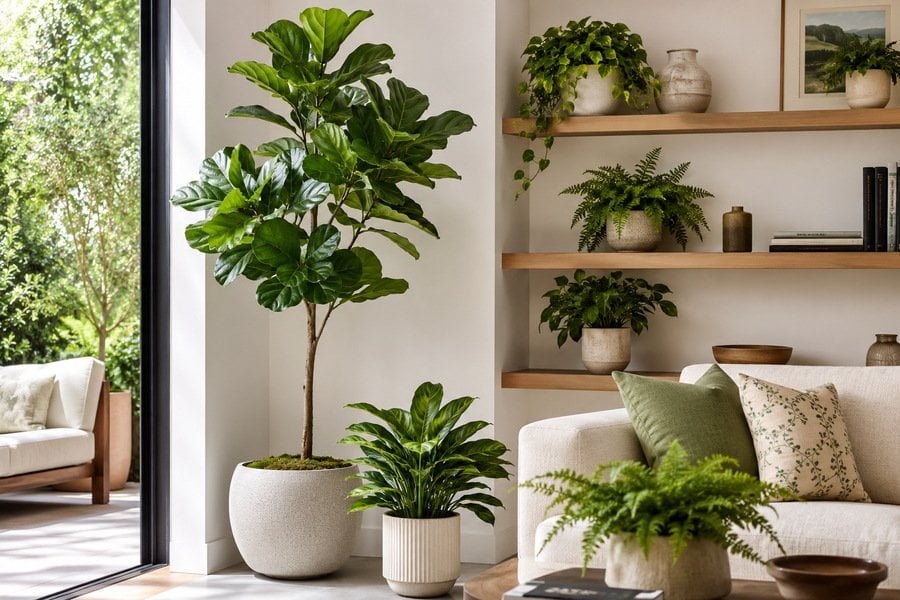
A common mistake is leaving a faux tree in its "nursery pot." To elevate any 2025 purchase, transplant the tree into a heavy ceramic or stone planter and cover the base with real dried moss or river rocks. This grounding effect, combined with manual "fluffing" of branches to mimic natural sun-reaching growth, bridges the gap between fake and flourishing.
| Category | Recommended Retailer | Top Perk for 2025 |
|---|---|---|
| Best Overall Realism | Nearly Natural | Horticultural accuracy & wood trunks |
| Designer Aesthetic | Afloral / West Elm | Trend-forward silhouettes (Olive/Fig) |
| Best Budget Value | Walmart / Wayfair | Affordable multi-packs and sets |
| Commercial/B2B | Fest Wholesale / Silk Plants Direct | Bulk pricing & fire-retardant options |
| Premium Handcrafted | Petals | Assembled in the USA; luxury quality |
Conclusion
Identifying the best artificial silk plants or trees in 2025 involves seeking exceptional realism, durability, and customization potential. Prioritizing manufacturers dedicated to detailed craftsmanship and high-quality materials ensures a lasting and visually appealing decorative solution for any space.