
Are you wondering if artificial flowers can elevate cake designs effectively? Many seek stunning, cost-effective, and safe methods for cake adornment. Discover how fake flowers offer a practical solution, enhancing cakes beautifully and efficiently.
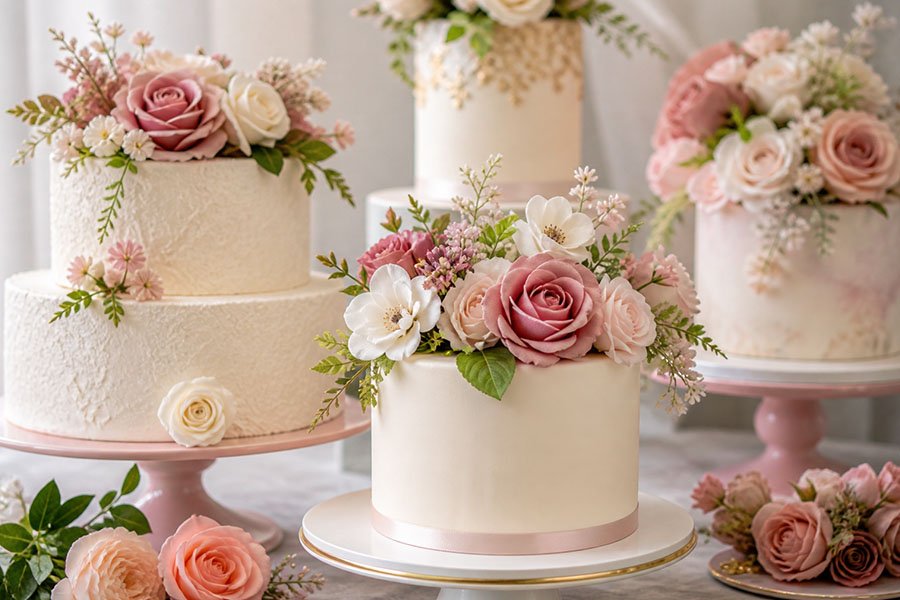
Yes, artificial flowers are frequently chosen for cake decoration due to their practicality, safety, and aesthetic appeal. They offer a beautiful alternative to fresh blooms, eliminating concerns about allergens, pesticides, or wilting. This makes them ideal for intricate designs and durable displays, simplifying cake ornamentation for professionals and enthusiasts alike.
When crafting visually appealing cakes, every decorative element holds significance. The right decor can transform a simple cake into a memorable centerpiece. Let’s explore why artificial flowers are increasingly favored for exquisite cake decorations.
Do people use fake flowers on cakes?
Do concerns about fresh flowers wilting or carrying unwanted substances on cakes trouble you? Many decorators face this challenge, balancing visual impact with safety and longevity. Understand how artificial flowers provide a worry-free and visually appealing solution.
Indeed, artificial flowers are widely used on cakes for compelling reasons. They mitigate issues related to pesticides, allergens, and wilting, offering a safe and resilient decorative option. This enables detailed, pre-planned designs that maintain their perfect appearance throughout any event, providing creative freedom and dependability in cake decorating.
The adoption of artificial flowers in cake decoration represents a practical and strategic choice. Instances where fresh flowers have wilted prematurely during events highlight the significant advantages artificial alternatives offer. They ensure meticulous planning and a consistently flawless presentation of the cake.
Why Artificial Flowers for Cakes?
- Safety Assurance: Fresh flowers may introduce pesticides, toxins, or allergens. Artificial flowers remove these concerns, ensuring the cake remains safe for consumption.
- Durability and Stability: Unlike fresh flowers that quickly deteriorate, artificial blooms maintain their pristine condition for extended periods, making them suitable for prolonged events.
- Cost Efficiency: While the initial expenditure might be comparable, artificial flowers can often be repurposed for other projects or decorations, providing greater long-term value.
- Constant Availability: Artificial flowers are not subject to seasonal restrictions. Any desired bloom can be sourced at any time, allowing for boundless creative options.
- Design Consistency: Each artificial flower exhibits uniform perfection, facilitating the achievement of a consistent and polished aesthetic.
| Feature | Fresh Flowers | Artificial Flowers |
|---|---|---|
| Safety | Potential for contaminants | Non-toxic, food-safe options |
| Durability | Prone to wilting | Long-lasting appearance |
| Availability | Seasonal, often limited | Year-round, extensive selection |
| Cost | Can be high, single-use | Reusable, long-term economic |
| Consistency | Natural variation | Uniformity, controlled aesthetics |
Guidelines for Using Artificial Flowers on Cakes
Incorporating artificial flowers effectively requires adherence to specific practices to ensure both beauty and hygiene.
- Hygiene Protocol: Always gently clean artificial flowers with a food-safe wipe before positioning them on a cake.
- Protective Barriers: Employ floral tape or food-safe barriers (e.g., plastic wrap, parchment paper) around stems if they will make direct contact with the cake.
- Strategic Placement: Carefully consider where flowers will be situated. For direct contact with edible sections, utilize food-grade artificial flowers or ensure adequate barriers are in place.
- Balance and Harmony: Arrange flowers in a manner that complements the cake’s design without overshadowing it.
By following these guidelines, the full potential of artificial flowers can be harnessed to create captivating and safe cake decorations.
What is the 3:5:8 rule for flowers?
Do you struggle with creating balanced and visually appealing floral arrangements? Many find it challenging to determine the appropriate number of flowers for a professional-looking design, avoiding sparse or overcrowded outcomes. Discover the 3:5:8 rule, a straightforward principle that can significantly enhance floral displays for various applications, including cake decor.
The 3:5:8 rule is a floral design principle advocating for the use of three distinct types of flowers in specific counts: three dominant blooms, five secondary flowers, and eight accent or filler flowers. This rule assists in achieving depth, texture, and visual harmony, preventing arrangements from appearing either insufficient or excessive. It is a valuable tool for both experienced florists and those undertaking DIY projects.
This rule is a foundational principle in floral design, recognized for its simplicity and effectiveness. Initially, achieving a full yet elegant arrangement presented a challenge for many. This rule provides a structured approach, aiding in the creation of arrangements with visual impact. It is applicable beyond traditional bouquets, extending its utility to cake toppers to ensure a cohesive aesthetic.
Understanding the 3:5:8 Rule
The 3:5:8 rule is a well-established principle in floristry that offers a clear framework for constructing aesthetically pleasing arrangements. Its core focus is on creating visual weight and fluid movement.
- 3 Dominant Flowers: These serve as the focal points. They should be the largest or most striking elements, immediately attracting attention. Examples include large roses, peonies, or hydrangeas.
- 5 Secondary Flowers: These blooms support and complement the dominant flowers. They are typically smaller but still substantial, contributing to the arrangement’s volume and depth. Examples include smaller roses, carnations, or lilies.
- 8 Accent/Filler Flowers: These constitute the smallest components, such as sprigs of foliage, tiny blooms, or delicate fillers. They introduce texture, soften outlines, and unify the entire arrangement, imparting a natural and complete appearance. Examples include baby’s breath, eucalyptus, or small berries.
Applying the 3:5:8 Rule to Cake Decorations
Applying this rule to cake decoration ensures that floral accents are appropriately scaled and balanced. This approach helps in preventing a cake from appearing either too sparse or excessively adorned with elements.
- Centerpiece Topper: For a prominent cake topper, utilize 3 larger artificial roses as dominant flowers, 5 slightly smaller blooms (e.g., ranunculus) as secondary elements, and 8 sprigs of delicate eucalyptus or small berries as accents.
- Cascading Design: When creating a cascading effect, strategically place clusters adhering to the 3:5:8 pattern at various points. This maintains visual continuity and balance as the flowers descend the cake.
- Tiered Cakes: For multi-tiered cakes, a larger 3:5:8 cluster might be used at the apex, with smaller, simplified versions or only dominant/secondary flowers positioned around the base of each tier.
Advantages of the 3:5:8 Rule
- Achieves Balance: This rule naturally fosters proportion and harmony, resulting in professionally executed arrangements.
- Adds Depth: Utilizing flowers of varying sizes and types creates layers and visual interest, preventing a flat appearance.
- Guides Selection: It streamlines the flower selection process, providing clear numerical targets for each type.
| Element | Description | Example for Cake Topper |
|---|---|---|
| 3 Dominant | Largest, most striking blooms, focal point | Large artificial peonies or roses |
| 5 Secondary | Support dominant flowers, add volume | Medium artificial dahlias or hydrangeas |
| 8 Accent/Filler | Smallest elements, add texture, fill gaps | Small artificial berries, eucalyptus sprigs |
Employing the 3:5:8 rule enables consistent creation of visually stunning artificial floral decorations that enhance the overall aesthetic of cakes, whether for grand events or intimate celebrations.
Are fake flowers tacky for home decor?
Do you hesitate to incorporate artificial flowers into home decor, fearing they might appear inexpensive or outdated? Many associate fake flowers with dust accumulation or unrealistic imitations, questioning their capacity to impart elegance to contemporary interiors. Explore how advancements in design and materials have transformed artificial flowers into sophisticated, stylish decorative elements that elevate any home, debunking the notion of tackiness.
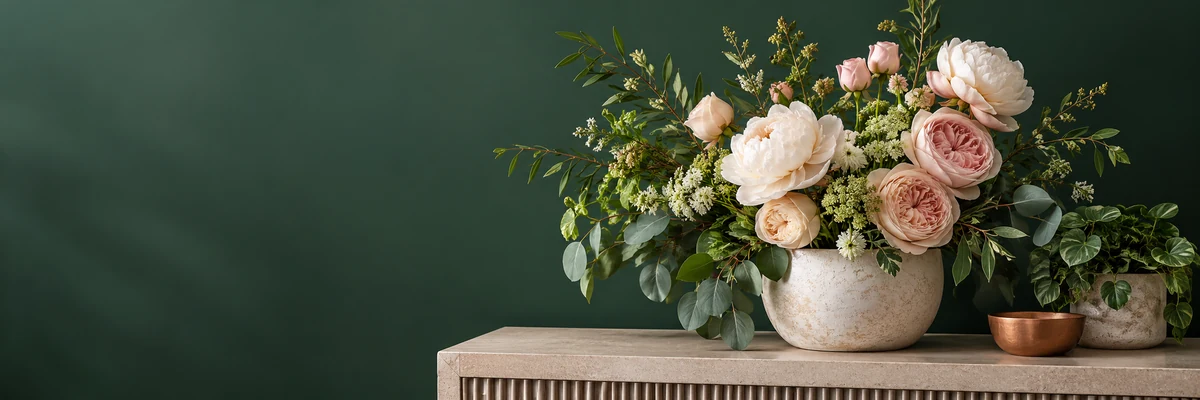
No, artificial flowers are not inherently tacky for home decor. Modern artificial flowers are highly valued for their realistic appearance, durability, and adaptability. With significant improvements in materials and craftsmanship, they now offer sophisticated, low-maintenance elegance that can enhance any interior design without concerns about allergens, wilting, or frequent replacement. They represent a practical and stylish choice for contemporary homes.
The perception of artificial flowers has undergone substantial evolution. The era of overtly artificial, brightly colored plastic blooms is largely past. The industry has seen considerable advancement in realism and design quality.
The Evolution of Artificial Flowers
The understanding and acceptance of artificial flowers have changed significantly over time.
- Material Innovation: Contemporary artificial flowers are crafted from high-quality silks, latex, and advanced plastics that meticulously replicate the delicate texture and appearance of natural petals and leaves.
- Realistic Detailing: Manufacturers now prioritize intricate details, reproducing natural imperfections, subtle color variations, and even the fine veins in leaves, rendering them remarkably lifelike.
- Sophisticated Design: Modern artificial floral arrangements are designed by skilled professionals who understand principles of balance, color theory, and natural arrangement, creating pieces that rival their natural counterparts.
Why Choose High-Quality Artificial Flowers for Home Decor?
Opting for high-quality artificial flowers provides numerous benefits for home decor.
- Enduring Beauty: They do not wilt, droop, or shed petals, maintaining their vibrant appearance throughout the year. This ensures a perpetually fresh and inviting home environment.
- Hypoallergenic Properties: For individuals with allergies, artificial flowers offer aesthetic beauty without triggering allergic reactions, allowing broader enjoyment of floral decor.
- Minimal Maintenance: They require no watering, pruning, or specific lighting. A simple dusting is sufficient to maintain their optimal appearance.
- Versatile Placement: Artificial flowers can be placed in any location—in dimly lit corners, sun-drenched windows, or even bathrooms where live plants might not thrive.
- Long-Term Value: While the initial investment may exceed that of a single fresh bouquet, artificial flowers endure for years, offering economic benefits over time.
| Aspect | Historical Perception of Fake Flowers | Modern Reality of Artificial Flowers |
|---|---|---|
| Appearance | Often artificial, unrealistic | Highly realistic, detailed, lifelike |
| Materials | Typically low-grade plastic | High-quality silk, latex, fabric |
| Maintenance | Prone to dust accumulation | Requires minimal dusting |
| Value | Seen as disposable, temporary | Durable, long-lasting investment |
| Style | Perceived as tacky, outdated | Sophisticated, elegant, versatile |
Integrating Artificial Flowers into Modern Decor
To ensure artificial flowers enhance, rather than detract from, a home’s aesthetic, consider these recommendations:
- Discerning Selection: Invest in high-quality items that exhibit realism. Look for natural colors and textures.
- Strategic Combination: Mix different types of artificial flowers and consider adding fresh greenery (e.g., eucalyptus sprigs) to augment their authenticity.
- Appropriate Containers: Display them in suitable vases and containers. A well-chosen vase can elevate even a simple artificial arrangement.
- Regular Cleaning: Periodically dust artificial flowers to maintain their fresh and vibrant appearance.
- Seasonal Refresh: Rotate artificial arrangements seasonally to keep decor dynamic and current, mirroring practices with fresh flowers.
By acknowledging advancements in artificial floral design and adhering to these guidelines, artificial flowers can be seamlessly integrated into home decor, creating stunning and lasting visual appeal without any perception of tackiness.
Do fake plants attract negative energy?
Are you concerned that artificial plants might introduce negative or stagnant energy into your living space? Many cultural beliefs associate live plants with positive energy, prompting questions about whether artificial versions could have an adverse effect. This section explores this common inquiry to clarify whether artificial plants genuinely attract negative energy or if this is primarily a matter of perception.
No, artificial plants do not inherently attract negative energy. This belief typically originates from spiritual or cultural traditions that value living plants for their natural energy and life force. From a practical and contemporary decor standpoint, artificial plants are simply decorative elements that enhance aesthetics without emitting or attracting any specific energy. Their impact is largely contingent on individual perception and belief systems, rather than an intrinsic energetic property.
The core purpose of artificial flowers and greenery in decor is to introduce beauty and vitality into spaces. The question of negative energy is frequently encountered, highlighting the influence of cultural beliefs on decorative choices. From a practical perspective, the ambiance of a space is shaped by its occupants, its cleanliness, and its overall aesthetic coherence, not by whether a plant is real or artificial. A well-maintained and attractive artificial plant can positively contribute to an inviting environment.
The Origin of the Belief
The notion that artificial plants attract negative energy often stems from various spiritual traditions, such as Feng Shui, which emphasizes the flow of "chi" or life force.
- Living Energy: In many spiritual practices, living plants are valued for their capacity to purify air, symbolize growth, and emit vibrant, living energy. They are regarded as active contributors to their environment.
- Stagnation: Conversely, artificial plants, devoid of life, are sometimes associated with stagnation or "dead energy" within these belief systems. They do not exhibit growth, respiration, or natural change in the same manner as living organisms.
- Historical Context: Historically, artificial plants were often inferior imitations made from low-quality materials. This might have contributed to a perception of them being "lesser" or unaesthetic, thereby linking them with undesirable qualities.
A Modern Perspective on Energy and Decor
While respecting traditional beliefs, it is valuable to approach this topic from a modern viewpoint, especially regarding contemporary interior design.
- Aesthetic Contribution: The primary role of artificial plants in modern decor is aesthetic enhancement. They introduce color, texture, and a natural element without the maintenance demands of live plants.
- Personal Connection: The perceived energy of a space often reflects how one experiences it. If a well-chosen and attractive artificial plant brings joy and makes a space feel welcoming, its energetic impact is likely positive.
- Cleanliness and Maintenance: A dusty, neglected artificial plant might contribute to a sense of stagnation, not because it is artificial, but because it is poorly maintained. Like real plants, artificial ones require care to maintain their best appearance.
Redefining "Positive Energy" in Decor
Instead of focusing on whether a plant is alive, consider these factors for fostering a positive energetic environment:
- Visual Harmony: Does the plant (real or artificial) integrate well with the existing decor? Does it contribute to the overall sense of tranquility and beauty?
- Cleanliness: A clean, well-maintained space conveys a lighter and more positive atmosphere. Regularly dust artificial plants.
- Personal Preference: Select plants and decor that are genuinely appealing. An individual’s positive connection to an object significantly influences its perceived energy.
- Quality: High-quality artificial plants are designed to closely emulate the beauty of nature, dispelling any notion of them being "dead" in appearance.
| Factor | Traditional Belief about Artificial Plants | Modern Decor Perspective |
|---|---|---|
| Energy Source | Associated with stagnant, dead energy | Neutral, primarily aesthetic |
| Symbolism | Lack of growth, artificiality | Represents beauty, convenience, lasting freshness |
| Impact on Space | Believed to attract negative chi | Enhances visual harmony, personal well-being |
| Material Quality | Often perceived as cheap, unnatural | Characterized by high realism, durability, sophistication |
Ultimately, the "energy" attributed to an artificial plant in a home is largely influenced by individual beliefs and how it is perceived and maintained. If a lifelike artificial plant enhances a space and contributes to a positive feeling, its impact is beneficial.
My Insights: Why Are Fake Flowers a Popular Choice for Cake Decoration?
Leading Paragraph:
Dreaming of a flawless floral cake? Fresh flowers can disappoint. Discover why fake flowers are the smart, stunning choice for cake decoration.
Snippet Paragraph:
Fake flowers are a popular choice for cake decoration primarily because they remain vibrant and unwilted throughout an event, regardless of temperature. They eliminate concerns about pesticide contamination or toxicity associated with fresh blooms, offer year-round availability and cost-effectiveness, and provide consistent aesthetic appeal that perfectly matches any cake theme or color palette.
Dive Deeper: The Unseen Advantages of Faux Florals on Cakes
While fresh flowers have a natural charm, artificial flowers offer a suite of practical benefits that make them increasingly favored by professional bakers and event planners. These advantages extend beyond mere aesthetics to encompass safety, consistency, and cost-effectiveness.
Food Safety and Consistency
The use of fresh flowers on cakes introduces several potential risks that fake flowers inherently avoid, making them a safer and more reliable option.
- Elimination of Contaminants: Fresh flowers often carry pesticide residues or can be naturally toxic, posing a food safety risk if they come into direct contact with edible parts of the cake. Artificial flowers, when properly prepared (e.g., stems wrapped), bypass this concern entirely.
- Allergen Avoidance: Fake flowers prevent allergic reactions from pollen or strong fragrances, ensuring a more inclusive and comfortable experience for all guests, particularly in enclosed event spaces.
- Predictable Appearance: Unlike fresh flowers which can wilt, droop, or change color due to heat, humidity, or time, artificial flowers maintain their pristine appearance from the start of an event to its conclusion, ensuring photo-perfect results.
Versatility and Practicality for Cake Decorators
Beyond safety, fake flowers provide decorators with unparalleled flexibility and economic benefits.
| Feature | Description | Baker’s Benefit |
|---|---|---|
| Year-Round Availability | Not subject to seasonal growth patterns; always in stock. | Ensures specific floral choices regardless of wedding date. |
| Cost-Effectiveness | Often cheaper than fresh flowers for a lush look; many are reusable. | Reduces overall decoration budget; sustainable option. |
| Customization & Design | Available in a vast array of colors, sizes, and types to match any theme. | Unlimited creative freedom; perfect color matching. |
| Ease of Use | Lightweight, durable, and easy to position without damaging the cake. | Simplifies decoration process; less fragile than fresh blooms. |
While fake flowers are not edible, their visual impact and practical advantages far outweigh this single trade-off, especially when high-quality "silk" or "foam" varieties are chosen for their realistic appearance.
Conclusion
Artificial flowers provide a safe, adaptable, and attractive solution for cake decoration, delivering enduring beauty without the typical concerns of fresh blooms. For home decor, modern artificial designs, characterized by realism and durability, are far from tacky. The "energy" they bring is primarily a matter of individual perception, establishing them as a practical and appealing choice for diverse settings.