
Buying Wholesale Artificial Flowers Online? Start Here
A flower can look right on your screen, yet leave you unsure about its actual color, size, finish, and fit for your collection.
When buying wholesale artificial flowers online, start with a showroom overview, narrow your selection with individual product photos, and check physical samples. Confirm colors, dimensions, selling units, and packing before approving your bulk order.
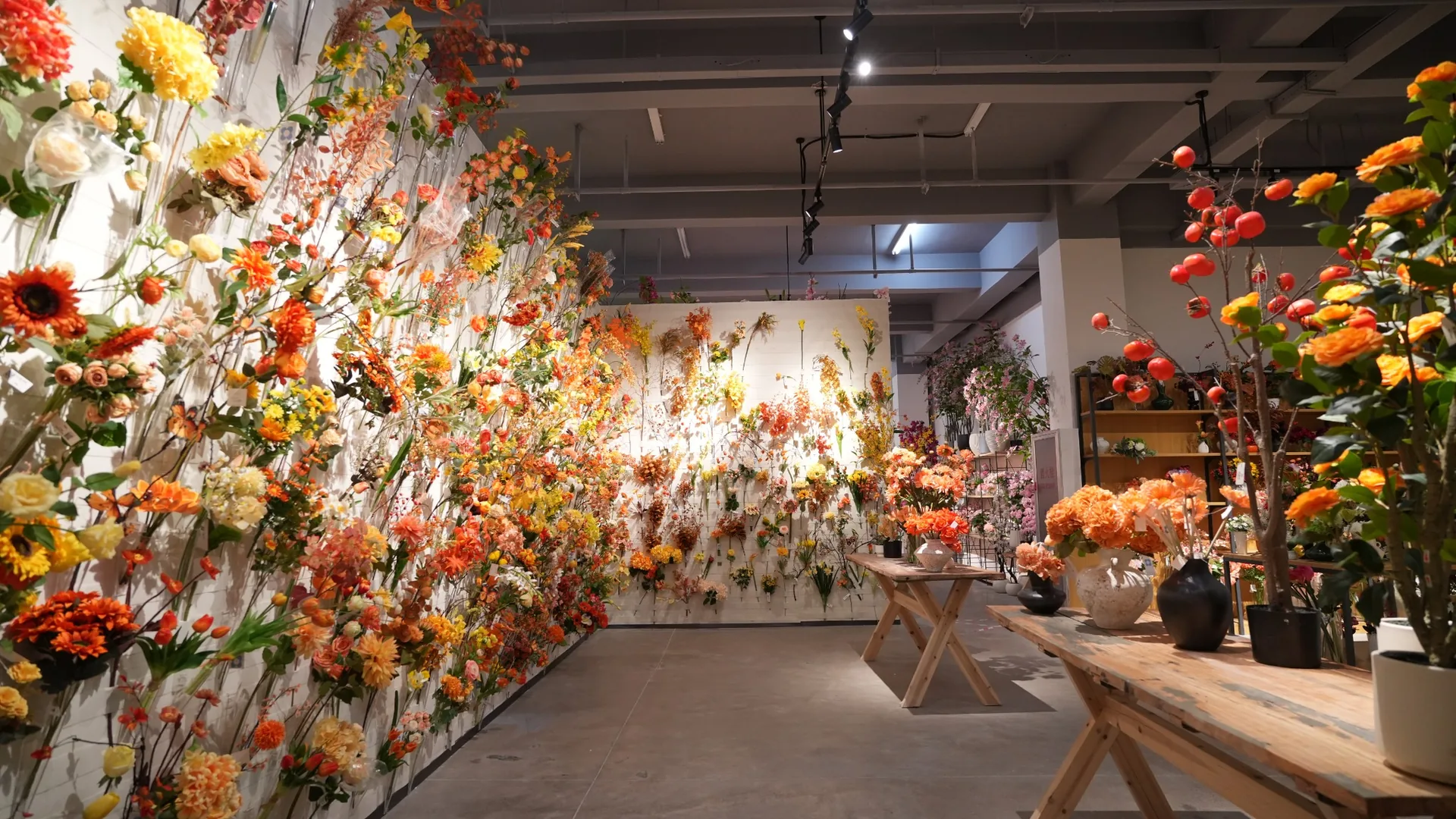
Explore different flower shapes and shades before choosing individual products for closer review.
https://www.youtube.com/watch?v=Hr6AzTFHFGg
This guide focuses on selecting artificial flowers. If you’re sourcing greenery or finished pieces, send us a screenshot from the tour and tell us how you plan to use them. We can confirm the item details and discuss the measurements, containers, packing, and sample information you need.
The tour also takes you through our artificial greenery, flowering trees, finished floral displays, and warehouse areas.
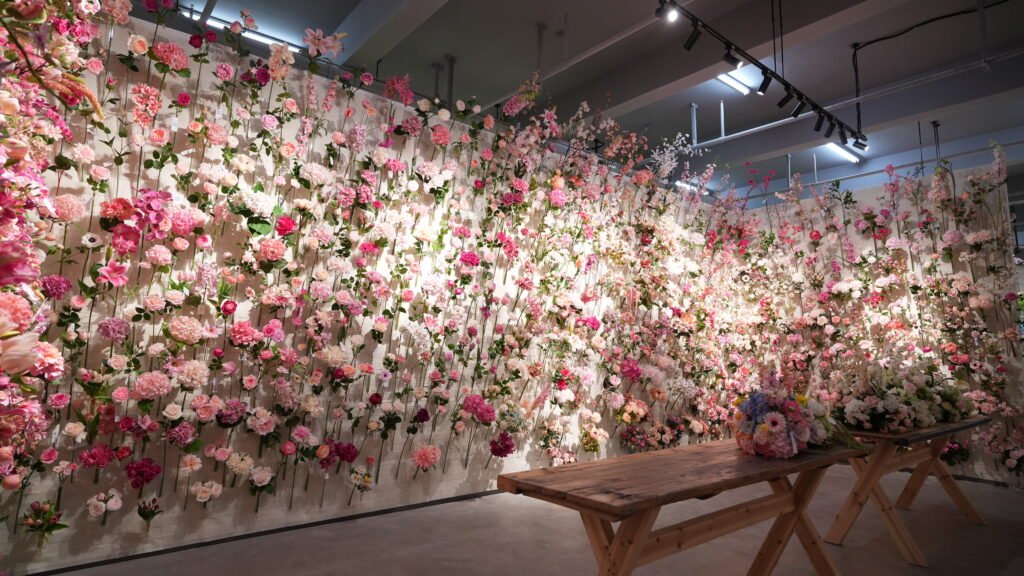
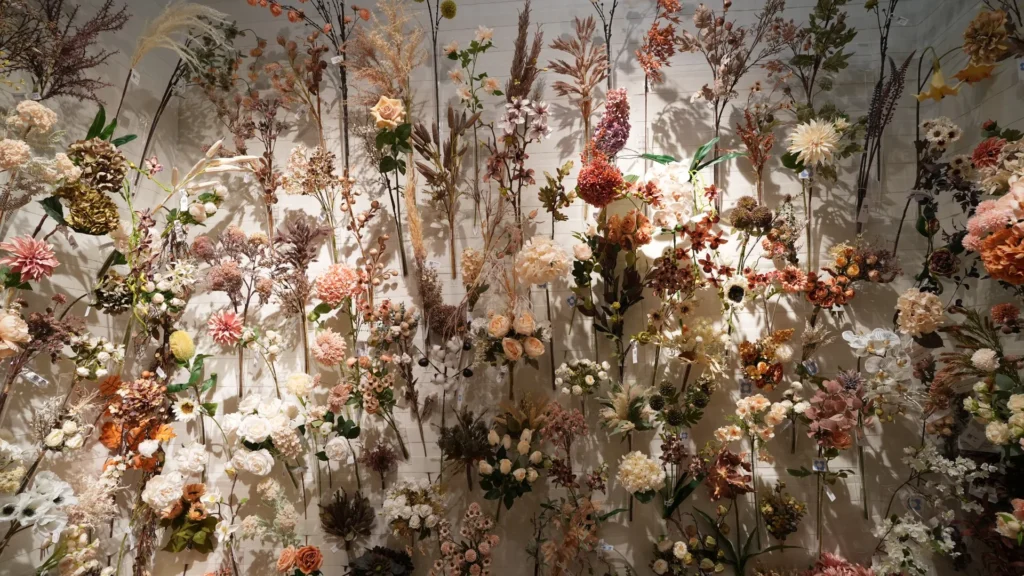
At Botanic Blossoms, we’ve been arranging our showroom by color. Pink flowers sit together, white flowers and greenery share a display area, and other sections bring together blue, purple, neutral, yellow, orange, and red tones.
For you, these displays offer a starting point. You can look across a color family, notice shapes that suit your business, and decide which flowers deserve a closer look.
You don’t need to read the product numbers in the photos or video. Take a screenshot, circle the flowers you like, or share a video timestamp. We can then identify the items and provide individual photos and specifications.
This guide explains how to turn that first showroom visit into a clear product selection.
1. How Can a Showroom Help You Choose Wholesale Artificial Flowers?
A showroom wall holds many styles. The useful question is which of them belongs in your collection or project.
Use an artificial flower showroom to compare the range, overall shapes, and color families. Choose a small group for further review, then request individual photos and dimensions before making purchasing decisions.
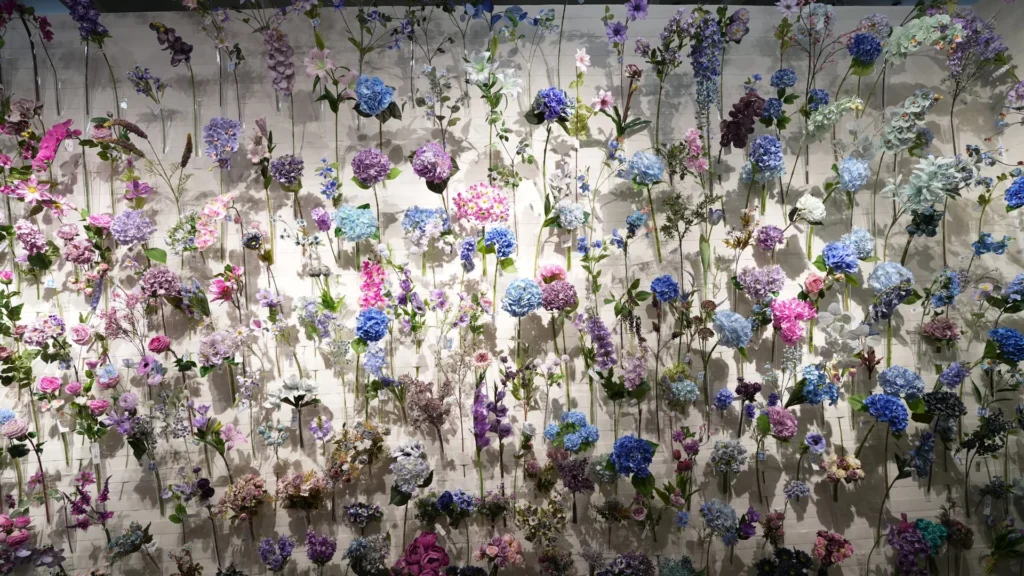
Compare flower shapes and stem styles when planning a coordinated home décor collection.
Start with how you will use the flowers
Before browsing, decide what the flowers need to do for your business.
If you sell individual stems, the flower should make sense as a standalone item. You may need a clear silhouette, a suitable stem length, and photos that show exactly what your customer receives.
If you create event arrangements, think about how the flowers will work together. Large blooms can provide the main shape, while smaller flowers and branches can fill gaps or extend the outline.
For a home décor collection, consider the vessels you plan to use. A flower that looks balanced in a tall vase may overwhelm a small tabletop container.
Your intended use gives you a reason to select one style over another.
Look at shape as well as color
When several flowers share a color family, it becomes easier to compare their forms.
Look for differences in:
- Rounded and open flower heads.
- Upright and trailing stems.
- Large focal flowers and smaller supporting flowers.
- Dense foliage and more open branching.
- Soft outlines and stronger, more structured shapes.
A wall of pink flowers does not mean every pink flower serves the same purpose. Choose a combination that gives your collection useful variety.
Make your screenshots easy to discuss
Circle the specific flower you like. If several stems overlap, include a wider screenshot and a closer crop.
Add a short note about what attracted you: the shape, shade, flower size, or branching. That helps us understand which details matter when identifying the item or discussing alternatives.
You can also browse our artificial flower collection alongside the showroom images.
The next step is to confirm the individual product. A showroom display shows a selection of samples; availability and order details still need to be checked for your chosen items.
2. How Do You Choose Colors That Work Together?
“Pink” can mean pale blush, warm peach pink, dusty rose, or a much deeper shade. A broad color name leaves room for misunderstanding.
Choose a clear reference palette, compare shortlisted flowers together, and approve physical samples under your own lighting. Use showroom photos to explore combinations, then confirm the exact shades for the products you plan to order.
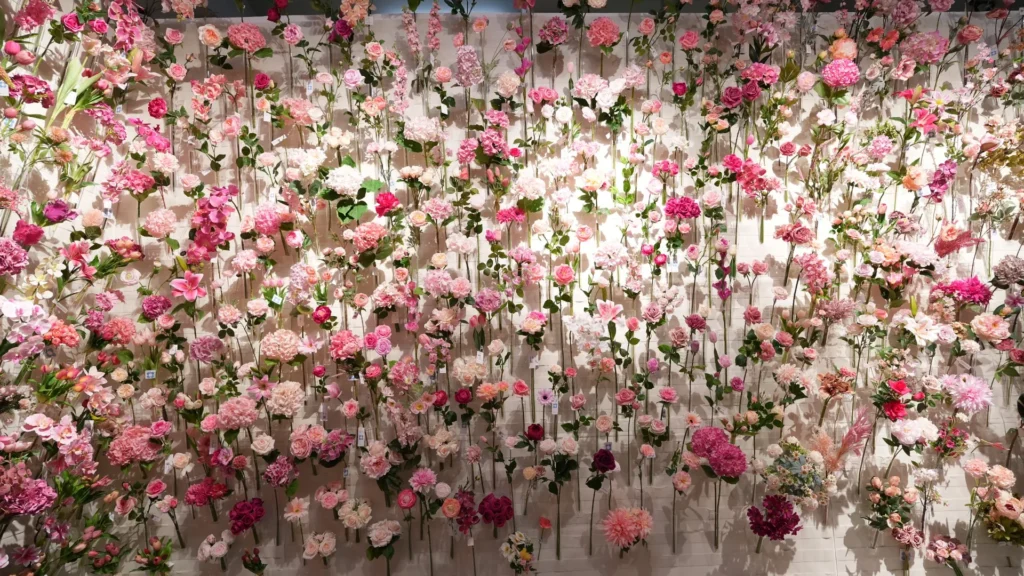
Explore variations within a pink palette before selecting samples for your collection.
Give your palette a clear direction
Start with a reference image or a few color examples. Explain which shades should lead and which should only appear as accents.
For example, a purchasing brief might describe mostly pale blush and cream flowers, with a smaller amount of deeper pink. Another collection might need cooler pinks with purple accents.
These are different directions, even though both could be described as pink collections.
You should also identify colors to avoid. A short note such as “no strong peach tones” can be more useful than a long list of general preferences.
Compare the actual products together
A flower viewed alone may seem suitable. Place it beside the other selected flowers, and you may notice a difference in warmth, brightness, or finish.
Ask for a group photo of your shortlisted items under the same lighting. This can help you decide which products to sample together.
Include the greenery in that comparison. Leaf color and density affect the overall look, especially in arrangements with fewer flower heads.
For retail collections, consider whether the products need to coordinate on a shelf or work together in one vase. Those goals may lead to different selections.
Use physical samples for final color approval
Phone cameras, showroom lights, and screens can change how a shade appears. Photos help narrow the choice, but you should check important colors in person.
Review samples near the setting where they will be used or photographed. If you sell online, take your own product photos before approving the collection.
Keep a record of the selected item and color reference. For repeat purchases, discuss how the next order will be compared with the approved sample.
A useful approval note identifies the product, the selected shade, and any agreed limits on variation. This gives both sides something specific to review.
Explore Neutral and Earth-Tone Combinations
If your collection needs softer colors, explore cream, beige, peach, and brown together. Our showroom brings these shades into one display so you can compare flower shapes, foliage, and branching within a similar palette.
For your shortlist, decide whether you want a light cream base, warmer peach accents, or deeper brown details. Review the selected stems together and check physical samples alongside your intended vases or other décor.
Compare Red and Burgundy Shades
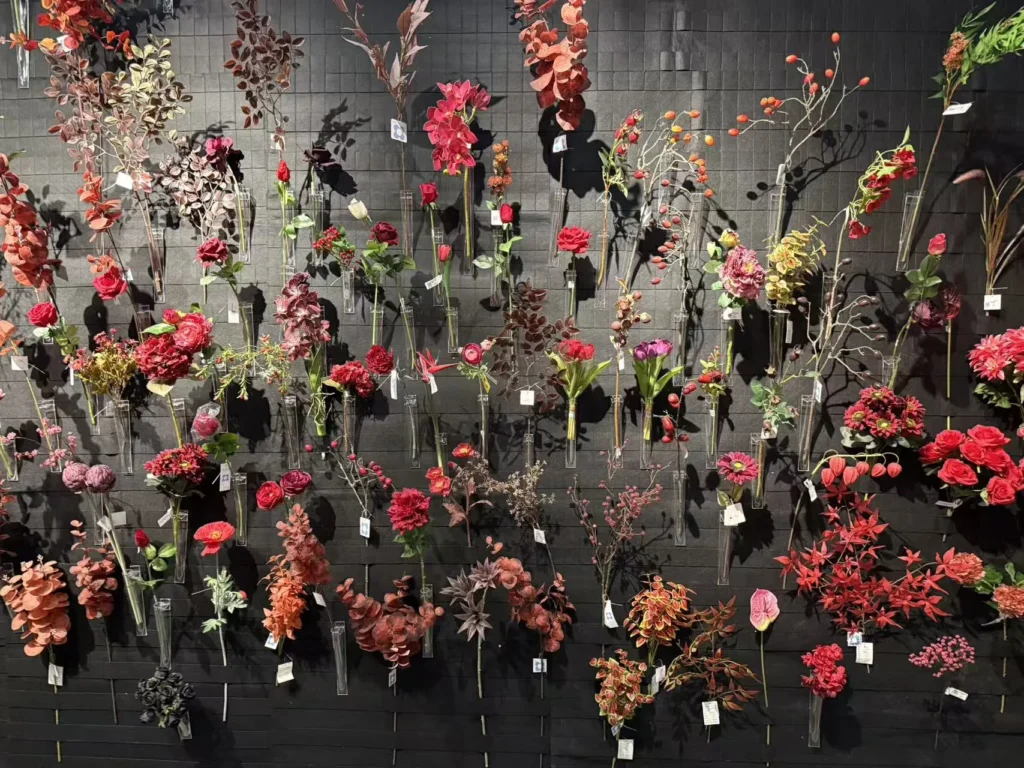
For a red collection, compare bright red and deeper burgundy flowers together. Decide which shade should lead and whether you want a consistent red palette or a mix of lighter and darker tones.
Look at the foliage and stem colors too. These details affect how the flowers work with your intended vases, packaging, or event setting. Request samples of the selected shades before approving the combination.
3. What Should You Check When Your Flower Samples Arrive?
A sample gives you the chance to inspect details that a wide showroom photo cannot show.
Check the flower from the front, side, and back. Review petals, leaves, stem finish, attachment points, and dimensions. Then try the sample in its intended setting before deciding whether it meets your purchasing requirements.
Inspect the details that will remain visible in your finished arrangement or retail display.
Review the whole stem
Begin with the overall shape. Does the flower look balanced from different angles? Does the head size suit the stem length? Is the amount of foliage right for your use?
Next, look closely at the petals and leaves. Check their shape, edges, finish, and visible connections.
Turn the sample around. The back of a flower may remain visible in a retail display, an open arrangement, or a design viewed from several directions.
Also examine the lower stem. It may be exposed above a vase, held by your team during installation, or shown in your product photography.
Check the features that matter to your project
Different buyers notice different details.
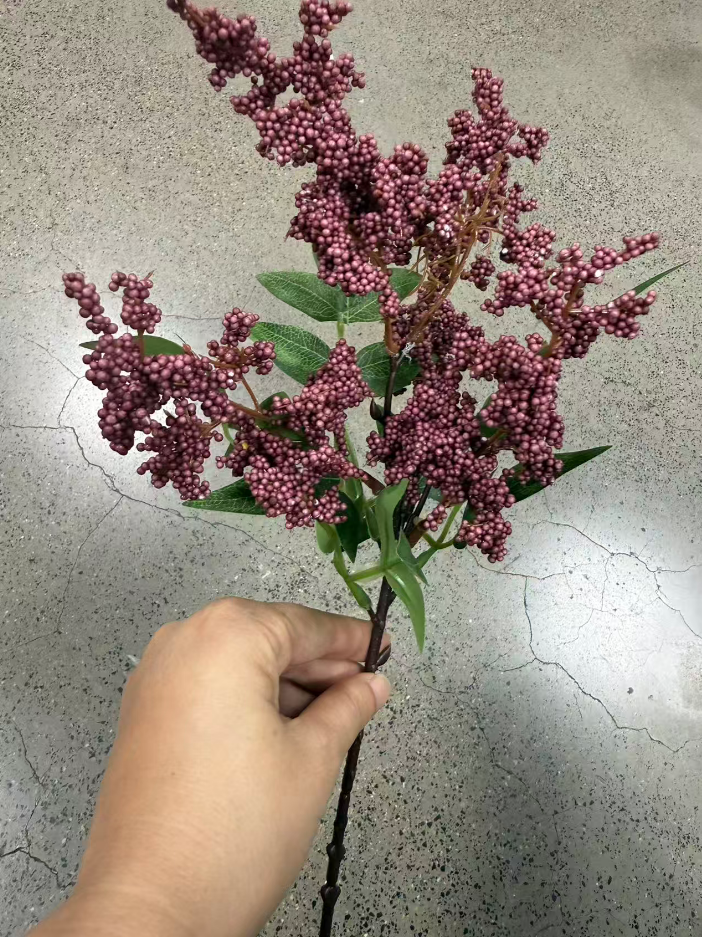
In one berry branch development project, a customer sent us a reference sample. The stem’s realistic appearance mattered more to them than the berry color. We went through three rounds of stem sampling before the customer was satisfied, including a weathered effect.
That experience is a useful reminder: tell your supplier which feature you will judge most closely.
For your selection, it might be the petal shape, the stem texture, the leaf finish, or the way the branches sit. Put that priority in writing before discussing changes.
For flowers or berry stems with attached components, inspect the connection areas. If attachment strength is important, agree on a practical sample check with the supplier. A close-up photo alone cannot prove how an item will perform during handling.
Try the sample in its intended use
Measure the stem and flower head, then test them in your vase, arrangement, or display.
Notice how much shaping is needed after unpacking. Ask for handling guidance before bending, cutting, cleaning, or applying heat.
If the product will be used outdoors, near heat, or in another demanding setting, confirm suitability for that specific item.
Keep the approved sample and a short record of your comments. Clear approval details help when you review the eventual bulk order.
4. What Should You Confirm Before Comparing Wholesale Quotes?
Two flower quotes can look similar while covering different sizes, quantities, or selling units.
Compare quotations using the same product specification and selling unit. Confirm dimensions, what each item includes, packing details, currency, and the price basis. Add transport costs before deciding which option suits your business.
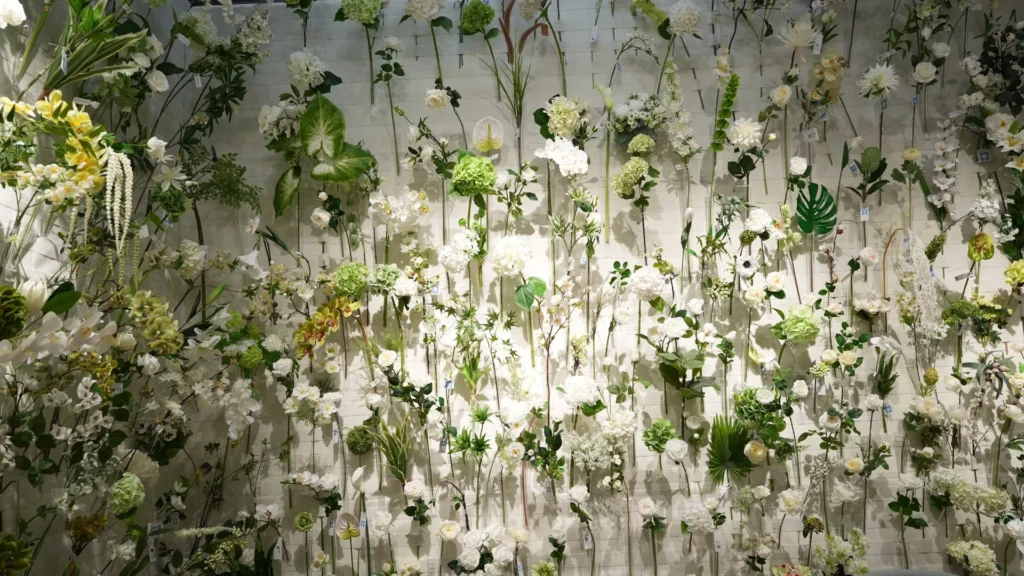
Identify individual styles first, then confirm their specifications and selling units.
Define what one item includes
A stem, bush, bunch, and finished arrangement are different products. Make sure the quotation clearly states which one you are buying.
A display photo may show several stems together. The vase may be part of the showroom styling rather than part of the quoted item.
Ask for an individual product image and a written description. Confirm whether the price covers one stem, one bunch, one pot, or a complete arrangement.
For finished floral designs, distinguish the number of completed pieces from the number of stems used inside each piece. Neither figure should be assumed to be the minimum order quantity.
Compare the dimensions and construction
Record the measurements that affect your use:
- Overall height.
- Flower head size, where relevant.
- Number of branches or flower heads.
- Approximate spread after shaping.
- Included container or accessories, if any.
A lower price may relate to a smaller flower head, a shorter stem, or a different amount of foliage. You need these details to judge the offer.
If you have approved a sample, refer to it clearly in the quotation and order documents. Record any agreed changes separately.
Ask how the products will be packed
Packing affects how the flowers arrive and how much work your team needs to do after unpacking.
Confirm the quantity per carton, carton dimensions, and any inner packing. Ask whether stems will be straight, bent, or compressed, and what shaping may be needed on arrival.
For retail supply, discuss labels or individual packaging if those form part of your requirements. Their feasibility and cost should be confirmed for the selected products.
Finally, check the currency, price basis, destination, and transport arrangements. Ask for the estimated production schedule and order minimums for your actual selection.
A useful comparison includes the product, freight, and any destination charges that apply. It also considers the preparation work needed before you can sell or install the flowers.
5. What Should You Send to Get a Useful Product Shortlist?
You may know the look you want without knowing the flower names or product numbers. That is enough to begin the conversation.
Send a reference photo or a marked showroom screenshot, your preferred palette, and the intended use. We can identify relevant products and share individual photos and specifications before discussing samples and a detailed quotation.
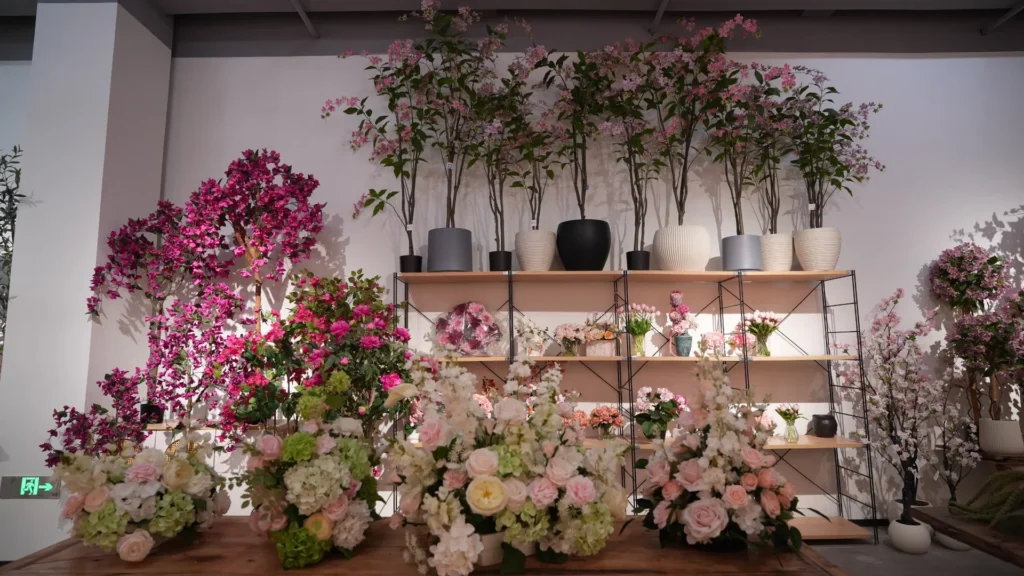
Use a reference style to discuss the individual flowers needed for your collection or project.
Begin with a simple buying brief
You do not need a complete specification for every flower at the first stage.
Start with three things:
- A reference image or selected showroom screenshot.
- Your preferred colors.
- How you plan to use or sell the flowers.
For example, a home décor importer may need individual stems for a coordinated vase collection. An event florist may need flowers for table arrangements and larger installations.
Those uses affect the products worth reviewing, even when the color palette is similar.
If you already have a target stem length, container size, or budget range, include it. Otherwise, identify those details as open for discussion.
Explain what can change
Tell us which part of your reference matters most.
You may want the same soft palette while being flexible about flower varieties. You may need a particular flower shape but be open to several shades. Or you may want us to check whether a closer match can be developed.
This helps us suggest relevant options without assuming every feature of the reference must be copied.
In one customer selection, a pink reference gave us a starting point. We gathered individual styles from that color family and filmed them for comparison. The purpose was to help the customer review possible flowers before moving on to individual product details.
Your shortlist can follow the same process: compare, comment, and narrow the selection.
Add quantities and destination when you are ready for pricing
For a detailed quotation, share estimated quantities, the destination, and any required arrival date.
If quantities are still undecided, say so. Separate your first trial order from possible later purchases rather than treating an estimate as a commitment.
You can begin with a message like this:
“We’re selecting artificial flowers for a home décor collection. We like the blush and cream styles circled in these screenshots. Please share individual photos, dimensions, and sample options.”
That gives us a clear place to start. Once you have reviewed the products, we can discuss the information needed for a suitable wholesale quotation.
Conclusion
Use showroom displays to explore, individual photos to narrow your choice, and samples to approve details before confirming your wholesale specifications and order.
B2B FAQ
1. Can I choose flowers if I cannot read the product numbers?
Yes. Send a screenshot with the flowers circled, or share a video timestamp. We can identify the items and confirm their details with you.
2. Can I send my own reference photo?
Yes. Tell us which features matter most, such as the color, flower shape, size, or stem appearance. We can then discuss relevant products or development requirements.
3. Can I request individual product photos?
Yes. After identifying the styles you like, you can request individual photos and dimensions for a closer review.
4. Can I review several colors together?
You can ask us to check options within your preferred palette. Confirm the available styles and sample selection before arranging shipment.
5. Are samples free?
Our sample policy covers sample costs, while buyers pay courier charges. Confirm your selected items and any custom development requirements before shipment.
6. Will the colors look exactly like the showroom photos?
Lighting, cameras, and screens can affect their appearance. Approve physical samples when color matching is important to your order.
7. Are all showroom products available for immediate shipment?
Availability needs to be checked for each selected item. A showroom sample does not confirm current stock or a delivery date.
8. Can you customize colors or packaging?
Send your requirements for review. Feasibility, sample arrangements, quantities, costs, and timing need to be confirmed for the specific products.
9. How should I clean or reshape artificial flowers?
Ask for care and shaping guidance for the selected item. Confirm suitable methods before using water, cleaning products, or heat.
10. What information do you need for a wholesale quote?
Share the selected products, estimated quantities, and destination. Include size, packaging, and arrival requirements if you already know them.
Get a Product Shortlist for Your Collection or Project
Send us a screenshot with your preferred styles circled, together with your target colors and intended use. We’ll help identify the items and share individual photos, dimensions, and sample options. If you’re ready for pricing, include your estimated quantities and destination.