
Cast iron can make a home feel warm, detailed, and timeless, but too many heavy metal pieces can leave rooms looking dark, crowded, or old-fashioned.
Cast iron home decor works in almost every room through practical accents such as wall hooks, shelf brackets, candleholders, bookends, drawer pulls, and decorative planters. The best approach is to match each piece to the room’s function, furniture, and colors while choosing suitable finishes, secure mounting, and proper maintenance.
I prefer to introduce cast iron through a few useful objects rather than redesign an entire room around metal. Its textured surface and solid appearance create contrast with wood, glass, textiles, and greenery. I can use that contrast in a farmhouse kitchen, modern living room, or commercial interior without making every space look industrial.
Where Can You Use Cast Iron Home Decor in Every Room?
A beautiful cast iron decoration can feel out of place when its size, style, or purpose does not match the room. Good placement matters as much as the object itself.
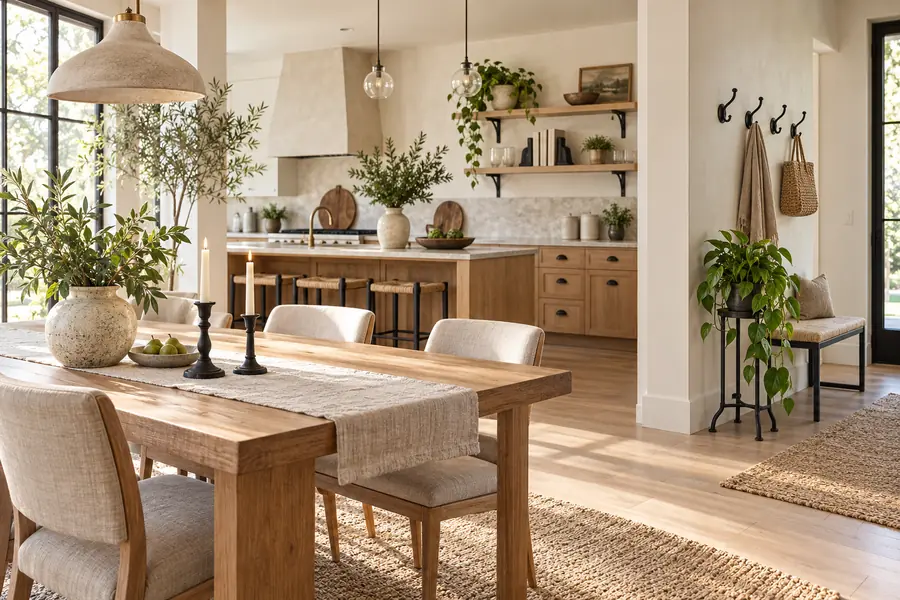
I use cast iron home decor in entryways, living rooms, dining rooms, kitchens, bedrooms, bathrooms, home offices, hallways, laundry rooms, and outdoor spaces. Small functional pieces work best in compact areas, while larger decorative accents suit open spaces. Each room benefits from a different balance of texture, function, and visual weight.
1. Entryway: Install Decorative Cast Iron Wall Hooks
The entryway offers a practical place to introduce decorative metalwork. I would start with a cast iron wall hook rack for coats, keys, hats, or lightweight bags.
A matte black finish creates strong contrast against a light wall. An antique bronze or distressed finish works well with wooden furniture and traditional farmhouse decor.
I prefer simple hooks for narrow entrances. Decorative shapes, such as leaves, birds, or vintage-style patterns, can add personality when the surrounding furniture is understated.
For a coordinated appearance, I would pair the hooks with a wooden console table, a small mirror, and a woven basket.
The installation is important. I check the manufacturer’s rated load, the wall material, and the specified fasteners before using hooks for heavy items. A sturdy-looking cast iron hook is not useful if its wall fixing fails.
2. Living Room: Add Cast Iron Bookends and Sculptural Accents
A living room usually contains soft materials, including cushions, rugs, curtains, and upholstered furniture. Cast iron offers a different texture that can make these materials feel more balanced.
I would place a pair of decorative cast iron bookends on a wooden shelf or use a small animal-inspired cast iron sculpture on a console table.
These accents work especially well with neutral colors. Cream, beige, walnut brown, and soft gray provide a calm background for dark metal.
I avoid filling every shelf with iron objects. One or two carefully placed decorations usually create a stronger visual effect than a crowded display.
For modern interiors, I select clean shapes and restrained finishes. For traditional rooms, I might choose more detailed patterns or antique-inspired ornaments.
I also use protective pads beneath heavy metal objects to prevent scratches on delicate furniture.
3. Dining Room: Create a Cast Iron Candleholder Centerpiece
Cast iron candleholders can give a dining table a traditional or rustic character without requiring large furniture changes.
I would choose two or three candleholders with different heights and arrange them alongside greenery, ceramic accessories, or seasonal flowers.
The contrast between dark metal and natural decorative materials helps create a layered centerpiece.
A simple black candleholder can suit a contemporary dining room. A more decorative design may fit an antique or farmhouse dining setting.
I keep the centerpiece low enough for people to see one another across the table. Tall candleholders can also work on a sideboard instead of the main dining surface.
If I use real candles, I choose holders intended for that purpose and follow basic fire safety rules. I keep flames away from dried flowers, artificial foliage, curtains, and other combustible decorations. LED candles offer another option for displays that require less supervision.
4. Kitchen: Use Cast Iron Shelf Brackets and Utility Accessories
The kitchen benefits from decorative items that also serve a practical purpose.
I would use cast iron shelf brackets to support suitable wooden shelves or place decorative cast iron hooks beneath cabinets for aprons and dish towels.
Dark shelf brackets can provide an attractive contrast against light wood, white tiles, and natural stone.
For farmhouse kitchens, I prefer traditional curved brackets. For industrial kitchens, I would choose straightforward geometric shapes.
The shelf and bracket assembly must be designed for the expected load. I check the complete system, including the wall structure, fasteners, shelf material, and manufacturer specifications.
I also keep decorative iron accessories away from areas with frequent standing water.
A decorative cast iron object is not automatically suitable for direct food contact or cooking. I would only use trivets, cookware, or serving accessories for those purposes when the manufacturer confirms their intended use and finish suitability.
5. Bedroom: Introduce Cast Iron Drawer Pulls and Doorstops
A bedroom usually benefits from a softer visual atmosphere. I prefer small cast iron details rather than large, heavy-looking metal installations.
Decorative drawer pulls are a simple starting point. Replacing suitable handles on a wooden dresser can change its appearance without replacing the furniture.
A small cast iron doorstop can also introduce a vintage touch when its weight, shape, and placement are appropriate.
I particularly like the contrast between cast iron hardware and natural oak, painted wood, or warm neutral furniture.
For a traditional bedroom, ornate floral or antique-style pulls can add detail. For a modern bedroom, simple rounded or linear shapes are easier to coordinate.
I make sure that handles feel comfortable in daily use. Sharp edges, rough casting marks, and unstable fittings are not acceptable simply because the product looks decorative.
6. Bathroom: Choose Protected Cast Iron Towel Accessories
Cast iron towel rings, hooks, and small wall accessories can create a distinctive bathroom design.
I would combine a dark metal towel ring with white tiles, wooden shelves, and simple ceramic fittings.
The contrast works well in rustic bathrooms and traditional powder rooms.
However, bathrooms present a greater corrosion risk because of humidity, splashes, and cleaning products.
I would only choose products whose coating and installation are suitable for the intended bathroom location. A decorative indoor finish may not perform well beside a shower or frequently wet sink.
I also check whether the hardware has exposed edges where water could accumulate.
Good ventilation, regular drying, and appropriate maintenance can help preserve the finish. I would avoid assuming that a black coating alone makes a product rustproof.
7. Home Office: Style Shelves With Cast Iron Paperweights
A home office often needs a clean and organized appearance. Small cast iron accessories can add character without taking up much space.
I would choose a decorative paperweight, compact sculpture, or cast iron bookend for a desk or bookshelf.
A traditional cast iron paperweight works well on a solid wooden desk. A minimal geometric design may be more appropriate for a contemporary workspace.
I prefer objects that serve a purpose. A heavy paperweight can keep loose papers in place, while decorative bookends can help arrange books and files.
I also consider the texture of the surface. Rough or unfinished iron can scratch desks and shelves, so felt pads or another suitable protective layer may be necessary.
I would not place a heavy iron decoration near the edge of a desk where it could fall onto people or electronic equipment.
8. Hallway: Display Cast Iron Wall Art and Decorative Plaques
Hallways often have limited floor space, making wall decorations a practical choice.
I would use a small cast iron wall plaque, decorative house number, or traditional metal ornament to add interest to an otherwise plain wall.
For long hallways, I prefer a consistent visual rhythm. Two or three related pieces can look more intentional than many unrelated decorations.
Cast iron wall decor works well against white plaster, warm beige paint, brick, and wood paneling.
I also consider the viewing distance. A highly detailed ornament may look beautiful up close but lose its character when placed high on a wall.
Because cast iron can be heavy and brittle, I check the condition of the casting and use mounting hardware appropriate to its weight and supporting wall.
9. Laundry Room or Mudroom: Organize With Cast Iron Utility Hooks
Laundry rooms and mudrooms need storage that is easy to reach and simple to maintain.
I would use a small row of decorative cast iron hooks for laundry bags, cleaning cloths, or lightweight accessories.
The functional character of these products makes them suitable for farmhouse and industrial-style interiors.
A consistent finish across hooks, shelves, and cabinet hardware can help the room appear organized.
I prefer hooks with rounded edges because people may frequently reach past them in narrow spaces.
The mounting position also matters. Hooks should be easy for the intended users to reach and should not interfere with doors or walkways.
Since laundry spaces may become humid, I choose an appropriate protective coating and check for condensation or moisture exposure.
10. Patio or Garden: Add Weather-Suitable Cast Iron Plant Supports
Cast iron decorations can also create attractive accents on patios, balconies, and in gardens.
I would consider a decorative plant stand, wall-mounted planter support, or small garden ornament when the product is designed for outdoor conditions.
Dark cast iron can create a strong contrast with green foliage, terracotta pots, and natural stone.
Traditional plant stands may suit cottage gardens. Simpler designs can complement modern outdoor furniture.
Outdoor exposure requires more careful material selection. Rain, humidity, salt, and damaged coatings can contribute to corrosion.
I would check the protective finish, mounting requirements, drainage, and expected maintenance before choosing a product.
Heavy freestanding pieces also need stable placement. Balcony and wall-mounted installations must be checked against applicable structural limits.
| Room | Recommended cast iron decoration | Main design benefit |
|---|---|---|
| Entryway | Wall hooks | Organization and character |
| Living Room | Bookends or small sculptures | Visual contrast |
| Dining Room | Candleholders | Decorative centerpiece |
| Kitchen | Shelf brackets | Functional detailing |
| Bedroom | Drawer pulls or doorstops | Subtle vintage accents |
| Bathroom | Towel rings or hooks | Hardware contrast |
| Home Office | Paperweights | Compact functional decor |
| Hallway | Wall plaques | Decorative focal point |
| Laundry Room | Utility hooks | Practical storage |
| Patio or Garden | Plant stands and supports | Outdoor visual interest |
How Do You Style Cast Iron Decor Without Making a Room Feel Dark?
Cast iron is often associated with black finishes, industrial spaces, and traditional furniture. These associations can make homeowners think the material only belongs in rustic interiors.
I make cast iron decor feel balanced by combining it with lighter colors, natural wood, soft textiles, ceramics, and greenery. I also control the number and size of metal accents. A few well-chosen pieces can create structure and contrast without making the room look heavy or outdated.
Match Cast Iron With the Existing Interior Style
I begin by identifying the dominant design style before selecting the decoration.
In a modern farmhouse interior, I would combine simple black cast iron hooks with light oak, linen, and cream-colored walls.
In an industrial room, darker metal finishes can work alongside brick, concrete, and exposed wood.
For traditional interiors, I would choose more decorative castings with floral motifs, scrollwork, or antique-inspired details.
In minimalist rooms, I avoid elaborate designs and select objects with clean outlines.
Balance Dark Metal With Softer Materials
Cast iron often creates a strong visual contrast. I use that contrast deliberately rather than repeating dark metal throughout the room.
A black cast iron candleholder looks softer on a light wooden dining table. An iron sculpture can feel more balanced when placed next to a ceramic vase or green foliage.
I also pay attention to scale. Small rooms usually benefit from restrained accessories, while large rooms can accommodate a more prominent decorative object.
Choose a Finish That Matches the Space
| Interior style | Cast iron finish | Complementary materials |
|---|---|---|
| Modern Farmhouse | Matte black | Oak, linen, white ceramics |
| Rustic | Distressed black or brown | Weathered wood, stone |
| Industrial | Dark or textured finish | Brick, concrete, leather |
| Traditional | Antique-inspired finish | Dark wood, patterned textiles |
| Contemporary | Smooth matte finish | Glass, light wood, neutral colors |
| Cottage | Subtle distressed finish | Floral fabrics, woven baskets |
I avoid assuming that every metal decoration is cast iron. Many products described as iron decor are manufactured from steel or other metal constructions.
Those materials can look similar, but they may differ in weight, manufacturing methods, strength, and finishing requirements.
The manufacturing material should be confirmed separately from the visual style.
Is Cast Iron Home Decor Suitable for Kitchens, Bathrooms, and Outdoor Areas?
Cast iron is durable in many applications, but that does not mean every decorative product can withstand moisture, heat, heavy loads, or outdoor exposure.
Cast iron home decor can work in kitchens, bathrooms, and outdoor areas when the product has an appropriate finish and is designed for the intended conditions. Moisture protection, cleaning requirements, mounting strength, and product certification matter more than appearance alone. I would never assume that decorative cast iron is automatically rustproof, heat-safe, or food-safe.
Consider Humidity and Corrosion Risk
Bare iron can rust when exposed to moisture and oxygen. Salt contamination and damaged coatings can increase corrosion risk.
I would use painted or otherwise suitably protected decorations in humid areas. I would also inspect products for chips, scratches, and areas where water can collect.
The Canadian Conservation Institute explains that moisture and surface contaminants can promote iron corrosion and that proper care depends on the object’s existing finish.
Check the Product’s Intended Use
A decorative metal item and a functional hardware component may look similar, but they have different requirements.
A decorative shelf bracket must be assessed for load-bearing use. A candleholder must be appropriate for the intended candle. A wall-mounted planter support requires suitable hardware and structural support.
I would also distinguish indoor finishes from exterior coatings.
Outdoor decorative ironwork needs suitable protective coating systems and periodic inspection. The National Park Service’s guidance on architectural cast iron emphasizes the importance of maintaining protective finishes.
Avoid Unverified Material Claims
I would not advertise all cast iron products as waterproof, food-safe, fireproof, or suitable for outdoor use without supporting product information.
For B2B purchasing, I would request technical specifications or test documentation where necessary.
These details become more important for large retail programs, hospitality projects, and commercial installations where consistency and safety requirements are higher.
How Do You Choose, Install, and Maintain Cast Iron Decorations?
Two cast iron ornaments may appear almost identical in product photographs but differ in surface quality, mounting hardware, weight, and durability.
I choose cast iron decorations by checking the actual material, casting quality, finish, size, weight, intended use, and installation method. I maintain them by removing dust, controlling moisture, and following finish-specific cleaning instructions. For commercial purchases, I also review product samples, packaging, and consistency across the order.
Inspect the Casting and Surface Finish
I first examine the product’s visible surfaces.
A decorative casting should have the intended shape and surface texture without unwanted cracks, dangerously sharp edges, or loose components.
I also inspect the coating. Uneven coverage, unprotected spots, and poor adhesion can affect both appearance and service life.
For distressed products, I distinguish intentional decorative aging from uncontrolled corrosion.
Check Size, Weight, and Mounting
Cast iron can be relatively heavy, so I never select a wall decoration based only on its visual size.
I check the product weight, mounting points, recommended fasteners, wall material, and any stated load limits.
Decorative pieces should be installed where they cannot easily be knocked loose.
Freestanding products should have a stable base, especially in spaces used by children, pets, or many visitors.
Clean Cast Iron According to Its Finish
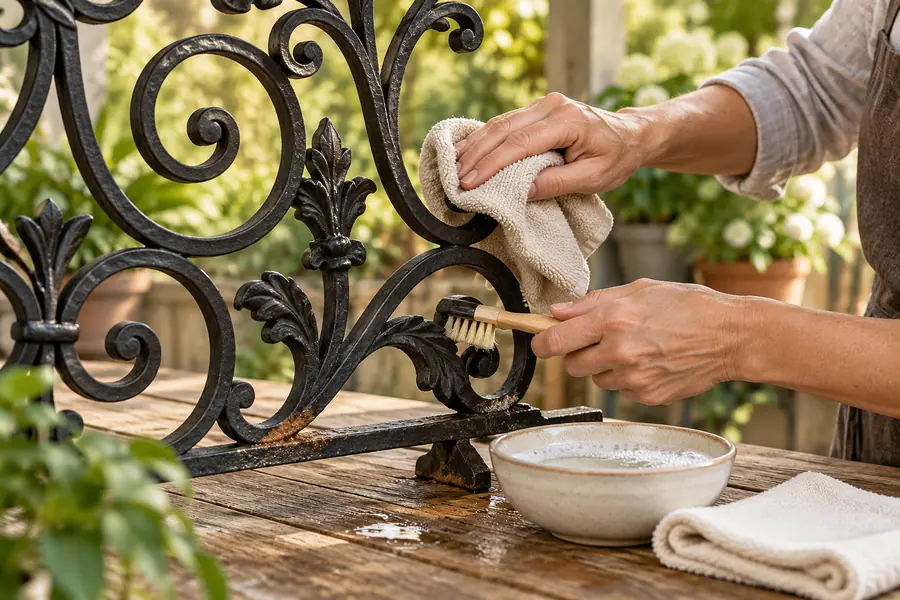
I begin with a soft, dry cloth or brush to remove loose dust.
For a modern coated product, I follow the manufacturer’s cleaning instructions and test any approved cleaning method on a small, hidden area.
I avoid prolonged water exposure and dry suitable modern pieces promptly after cleaning.
For antique, heavily rusted, or historically finished iron, I would not use aggressive abrasives or household acids without expert advice. Removing an old surface can damage the object and reduce its value.
For further guidance, see How to Clean Cast Iron Decorations?.
Evaluate Products for Wholesale or Project Purchasing
When selecting cast iron home decor for resale or interior projects, I would review more than the appearance.
| Evaluation factor | What I would check |
|---|---|
| Material | Cast iron, steel, or another verified metal |
| Design | Shape, decorative details, and intended use |
| Dimensions | Actual size and installation clearance |
| Weight | Handling, installation, and shipping |
| Surface finish | Coating consistency and intended exposure |
| Mounting | Hardware, instructions, and rated loads |
| Packaging | Protection from scratching and breakage |
| Customization | Size, finish, color, and design feasibility |
| Quality control | Sample approval and order consistency |
I would also request the supplier’s minimum order quantity and lead time rather than assuming they are the same for every product.
For product sourcing and customization, the Iron Decorations collection provides examples of decorative metal products. I would confirm the exact material for each item before specifying it as cast iron.
My Insights: How Can Cast Iron Home Decor Work in Every Room
A common decorating mistake is to choose metal accessories only because they match a popular design style. This can result in rooms filled with similar dark objects that offer little practical value.
I believe the most effective way to use cast iron home decor in every room is to give each piece a clear purpose. I prefer hooks where storage is needed, bookends where shelves need structure, decorative hardware where furniture needs detail, and weather-suitable metal accents where outdoor spaces need character.
I Prefer Function Before Decoration
I would start with the problem each room needs to solve.
An entrance may need more hanging space. A bookshelf may need a pair of stable bookends. A wooden dresser may benefit from decorative handles.
I then select a cast iron item that improves the space while adding visual interest.
This approach helps avoid purchasing decorations that look attractive in photographs but have no clear place in the home.
I Use Cast Iron as a Supporting Material
I rarely think every room needs large amounts of dark metal.
Instead, I would introduce a few carefully chosen cast iron accents and let wood, textiles, plants, and ceramics provide the softer elements.
I also believe that consistent finishes create better results than using many unrelated patterns.
A home can have a traditional cast iron hook in the entryway and a minimalist metal sculpture in the living room without repeating the same decorative motif everywhere.
I Evaluate the Actual Product, Not Just Its Design
For individual purchases, I pay attention to the object’s dimensions, coating, stability, and finish quality.
For wholesale or commercial projects, I would also examine samples, installation requirements, packaging, and repeat-order consistency.
I would not automatically prefer cast iron over steel or other metal materials. Cast iron is useful for many decorative forms, but the best manufacturing method depends on the product.
Detailed cast ornaments, fabricated steel decorations, and hand-forged items can each serve different design requirements.
I See Long-Term Value in Adaptable Designs
I prefer decorative shapes that remain useful when furniture, wall colors, or seasonal styling changes.
Simple hooks, brackets, bookends, candleholders, and hardware can often move between different interior styles.
Their continued usefulness depends on sound construction, suitable maintenance, and appropriate installation.
I therefore treat cast iron home decor as a combination of material, design, and practical performance rather than as a single decorative trend.
Conclusion
I use cast iron decor to add texture, function, and character throughout the home. Thoughtful placement, appropriate finishes, and proper maintenance make each piece more useful.