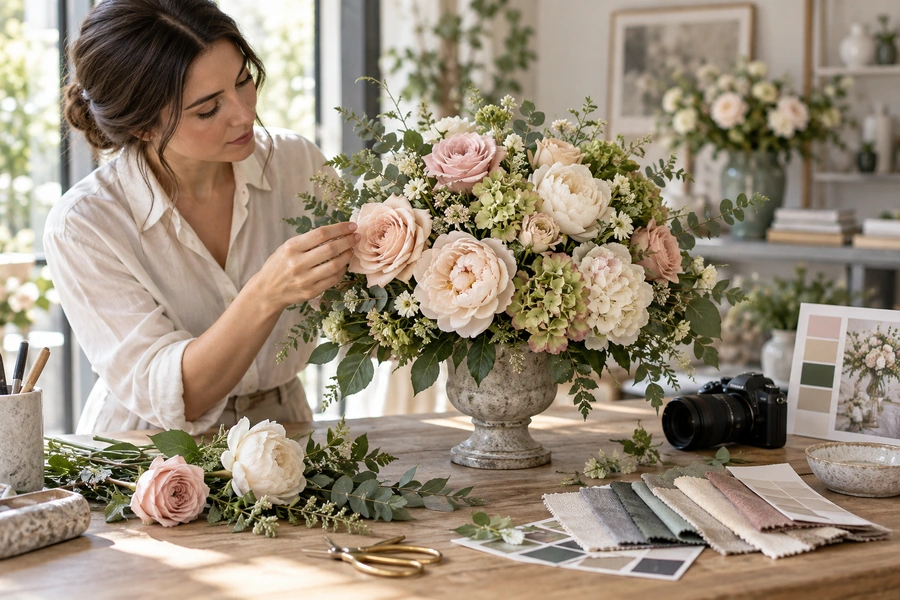

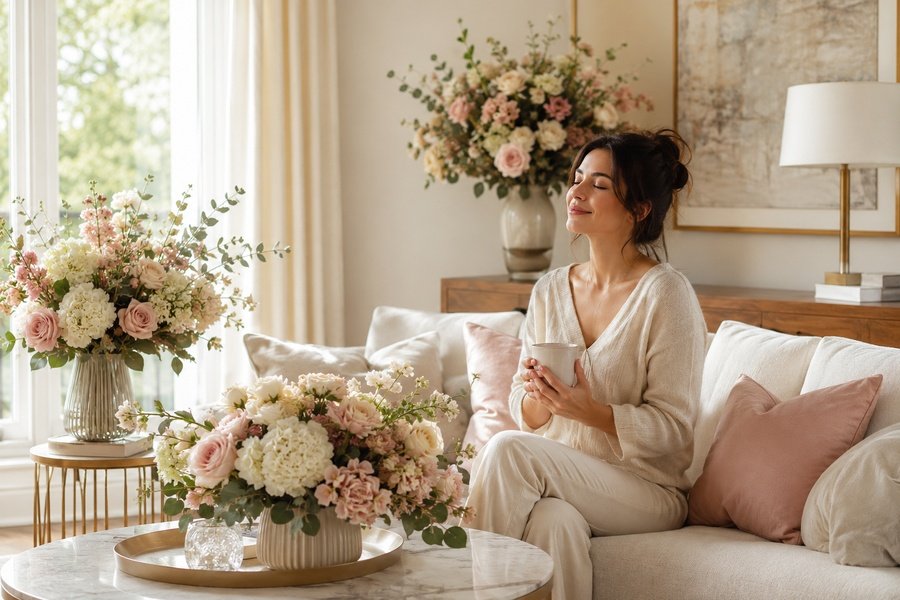
You love the look of fresh flowers, but they die within a week. It feels like throwing money away. High-quality artificial flowers solve this problem by staying beautiful forever.
Yes, high-quality fake flowers can provide the same emotional and psychological benefits as real ones. Modern "real touch" technology mimics nature perfectly. They trigger the same visual relaxation responses in the brain. They offer a sense of permanent beauty and joy without the stress or cost of constant replacement.
I have spent many years working in the floral and décor industry. I have seen how people react when they walk into a room filled with greenery. Most people just want to feel a connection to nature. They do not always care if the plant is biological or high-quality silk. If you are tired of the mess of real plants, you should look at the facts about artificial ones. Many people find that switching to high-end fakes actually makes them happier.
Are fake flowers bad energy?
Some people worry that artificial plants create "dead" or stagnant energy in a home. They think only living things can bring good vibes. This fear often stops people from decorating their space.
No, fake flowers do not bring bad energy if they look realistic and stay clean. In design, energy comes from visual harmony and beauty. A vibrant, high-quality silk arrangement creates more positive energy than a dying real plant. Clean, beautiful décor helps maintain a cheerful and uplifting atmosphere.
The Impact of Visual Vitality
I believe that the energy of a room depends on what you see. If you look at a wilted, brown rose, you feel sad. It represents decay. If you look at a bright, handcrafted artificial peony, you feel joy. The color and shape send a signal to your brain. This signal is about life and growth. In my experience, a well-placed artificial arrangement acts as a permanent "battery" for a room’s mood. It never fades, so the "good vibes" never drop.
Cleanliness and Space Energy
Dust is the enemy of good energy. I tell people that the only way a fake plant becomes "bad" is if it is neglected. A thick layer of dust makes a space feel old and tired. But a clean, crisp artificial plant looks fresh. It makes the room feel cared for. When a space feels cared for, the people inside feel better.
Comparing Energy Sources
| Aspect | Dying Real Flowers | Premium Artificial Flowers |
|---|---|---|
| Visual Message | Loss and ending | Growth and stability |
| Maintenance Stress | High (worrying about water) | Low (simple dusting) |
| Odor | Can smell like rotting water | Neutral or lightly scented |
| Color Longevity | Fades in days | Lasts for years |
Psychological Comfort
Many of my clients use artificial flowers to create a sense of routine. They like knowing that their favorite corner will always look perfect. This stability creates a sense of peace. It is hard to feel "bad energy" when you are surrounded by colors that you love. High-quality materials make a big difference here. If it looks real, your brain treats it as real.
Can immunocompromised people have flowers?
Fresh flowers are a common gift for people who are sick. However, real plants can be a health risk for those with weak immune systems. This makes it hard to bring cheer to a hospital or a recovery room.
Yes, immunocompromised people can have flowers, but they must be high-quality artificial ones. Real flowers carry mold, fungi, and bacteria in the soil and water. Artificial flowers offer the same visual comfort without any biological risks. They are safe, sterile, and perfect for sensitive health environments.
Hidden Dangers in Nature
I have seen many hospitals ban real flowers in certain wards. This is because of "Aspergillus." This is a type of mold often found on real plants. For a healthy person, it is fine. For someone with a low immune system, it is dangerous. Artificial flowers do not have this problem. They do not need water, so there is no stagnant liquid for bacteria to grow in. This makes them the safest choice for recovery.
The Need for Nature in Healing
Being in a sterile room is hard for the mind. Patients need to see life and color. I have found that silk flowers provide a huge mental boost. They make a hospital room feel more like a home. This reduces stress. When stress is lower, the body can focus on healing. Artificial plants provide the "nature fix" without the "nature germs."
Why Artificials are Safer for Health
- No Pollen: They do not trigger hay fever or breathing issues.
- No Water: There is no risk of spilling dirty water on medical equipment.
- No Pests: Real plants can bring in small bugs or gnats.
- Easy to Clean: You can wipe the leaves with a disinfectant cloth.
Safety Comparison for Patients
| Risk Factor | Real Flowers | High-End Artificials |
|---|---|---|
| Mold Spores | High Risk | Zero Risk |
| Water Bacteria | Very High | None |
| Pollen Allergies | Common | Hypoallergenic |
| Maintenance | Needs daily care | Zero care needed |
Do fake plants have the same effect as real plants?
Many people wonder if a "fake" thing can really help them relax. They know that nature is good for the soul. They worry that a replica will feel empty or useless for their mental health.
Yes, fake plants have many of the same psychological effects as real plants. Simply seeing greenery lowers cortisol levels and reduces blood pressure. While they do not clean the air, they fulfill our "biophilic" need for nature. They provide visual comfort and help people feel more relaxed in indoor spaces.
The Power of Biophilic Design
I study how humans react to their surroundings. We have a deep need to be near nature. This is called biophilia. Our brains respond to the colors and patterns of leaves. It does not matter if the leaf is made of cells or high-grade fabric. The visual "shortcut" to the brain is the same. When I place large artificial trees in a dark office, the workers feel less trapped. Their productivity goes up because their environment feels "natural."
Removing the Stress of Care
Real plants are a big responsibility. If you forget to water them, they die. This creates a "failure" loop in your mind. I believe that artificial plants are actually better for some people’s mental health. You get the beauty without the "work." You don’t have to worry about sunlight or fertilizer. This "set it and forget it" beauty allows you to enjoy the space without any guilt.
Key Psychological Benefits
- Focus: Looking at green shapes helps the brain recover from "screen fatigue."
- Mood: Bright floral colors trigger the release of dopamine.
- Softness: Plants break up the hard, cold lines of modern architecture.
- Consistency: The plant looks great every single day, which provides a sense of order.
Comparing the Impact
| Benefit | Live Plants | Premium Replicas |
|---|---|---|
| Stress Reduction | High | High |
| Visual Beauty | Natural but changing | Natural and consistent |
| Air Quality | Small improvement | No change |
| Ease of Use | Difficult for many | Very easy |
Are fake plants trashy?
Some people still think of the shiny plastic flowers from thirty years ago. Those old versions looked cheap and fake. Because of this, some people worry that using artificial plants will make their home look "low-class."
No, fake plants are not trashy if you invest in high-quality versions. Modern manufacturing uses "real touch" coatings and hand-painted details to mimic nature. Today, luxury hotels, high-end weddings, and professional designers use artificial greenery to create sophisticated, expensive-looking spaces that stay perfect in any climate.
The Evolution of Quality
I have watched the technology change over the last decade. We no longer use just cheap plastic. We use silk, specialized resins, and even 3D printing. These materials allow us to copy the texture of a real petal. If you touch a "real touch" tulip, it feels cool and damp, just like a real one. This is not "trashy." This is high-level engineering. When you buy a cheap flower at a grocery store, it looks bad. When you buy a professional-grade replica, it looks like art.
How Designers Use Replicas
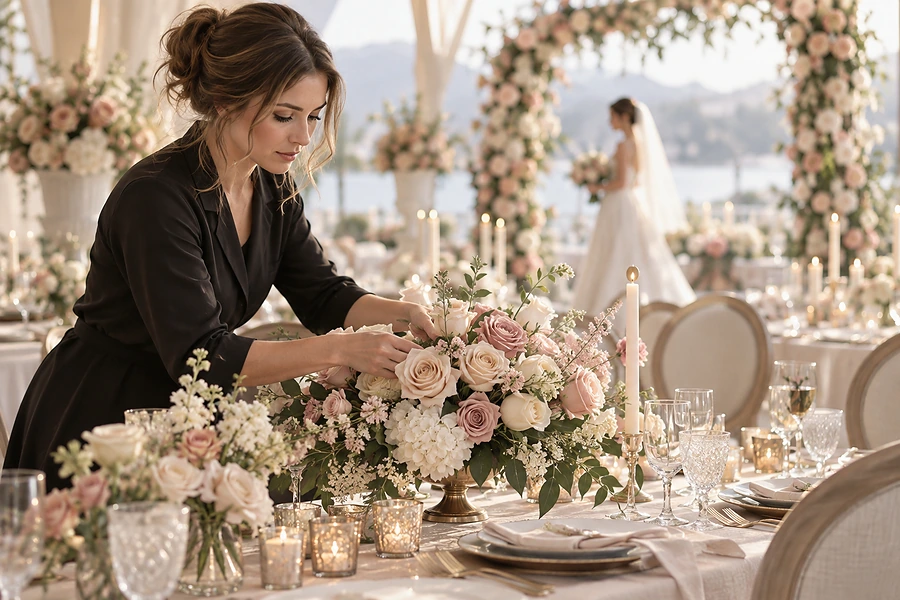
Professional event planners often use artificial flowers for big installations. Why? Because real flowers wilt under hot lights or in the wind. A "trashy" look is a wilted, brown wedding bouquet. A "classy" look is a crisp, perfect arrangement that stays beautiful for the whole event. It is about being practical. Using high-end fakes shows that you value quality and reliability.
How to Identify Quality (Not Trashy) Flowers
- Look for Imperfections: Real flowers are not perfect. High-quality fakes have small "flaws" or color shifts that make them look real.
- Check the Stems: Cheap flowers have neon green plastic stems. Good ones have textured, brown, or multi-toned stems.
- Feel the Leaves: High-end leaves have veins and a matte finish. They are not shiny or thin.
- Weight: Better materials usually have a bit more weight, making them sit naturally in a vase.
Material Comparison
| Material | Look | Durability | Quality Feel |
|---|---|---|---|
| Basic Plastic | Shiny/Fake | High | Low |
| Standard Silk | Good from a distance | Medium | Medium |
| Real Touch (Latex/Resin) | Indistinguishable | High | Very High |
| Hand-Painted Fabric | Artistic/Natural | High | Professional |
My insights: Emotional Resonance vs. Aesthetic Convenience
Craving the joy of nature without the constant upkeep? You might wonder if artificial blooms are soulless. Discover how sensory depth and realism determine if fakes can truly lift your mood.
While high-quality artificial flowers provide a significant visual mood boost and reduce stress, they rarely replicate the full emotional depth of real flowers. Real blooms offer a unique multi-sensory experience—scent, texture, and organic movement—creating a deeper psychological connection to life and the preciousness of transient beauty.
Decoding the Sensory Gap: Why "Living" Still Matters
To understand why real and fake flowers feel different, we must look at the concept of biophilia—our innate tendency to seek connections with nature. Real flowers are not just decorations; they are biological events. Their scent and even their "imperfections" signal a living presence that artificial versions lack. However, the emotional gap narrows when artificial flowers are used strategically for consistency and accessibility.
The Psychology of Transience
The short lifespan of real flowers makes them feel "intentional." Because they will fade, their presence represents a fleeting moment of beauty, which often carries more symbolic weight in gifting or celebrations. In contrast, fake flowers represent "permanence," making them excellent for atmospheric design but less effective for emotional milestones.
When to Choose Each
| Feature | Real Flowers | High-Quality Fake Flowers |
|---|---|---|
| Primary Benefit | Deep sensory and emotional connection. | Low maintenance and long-term beauty. |
| Best Used For | Gifts, weddings, and "living" energy. | Low-light areas, hospitals, and allergies. |
| Sensory Input | Sight, Smell, Touch, Movement. | Sight (Visual mood boost). |
| Cost Value | High emotional value / High cost. | High utility / One-time investment. |
The Hybrid Approach
The most effective way to enhance well-being is often a hybrid strategy: use premium faux florals for year-round environmental "softness" and supplement with fresh, fragrant stems when you need a genuine emotional lift or a sense of seasonal change.
Conclusion
High-quality artificial flowers provide the same beauty and emotional benefits as real ones. They are safe, durable, and stylish. Choose them to create a beautiful, stress-free environment that lasts forever.