
Planning a wedding often involves significant decisions about floral arrangements. Couples frequently seek options that are both beautiful and practical. The challenge lies in balancing aesthetic appeal with budget constraints and longevity. This often leads to questions about alternative floral solutions.
Artificial flowers offer a versatile and practical solution for wedding ceremonies. They provide lasting beauty, cost-effectiveness, and design flexibility. High-quality artificial blooms can create stunning arrangements. These arrangements remain perfect throughout the entire event. They also provide a beautiful keepsake for couples.
The use of artificial flowers in weddings has grown. This is due to advancements in their realism and durability. They provide a reliable option for couples. These flowers ensure that decor remains fresh and vibrant. This is true from the start of the ceremony to the end of the reception.
Is it Tacky to Use Fake Flowers in a Wedding Bouquet?
Many couples consider using artificial flowers for their wedding bouquet. A common concern is whether this choice appears less sophisticated. The fear of artificial flowers looking cheap or unnatural can deter individuals. This hesitation prevents them from exploring a highly versatile and elegant option.
Using artificial flowers in a wedding bouquet is not tacky. Modern artificial flowers offer numerous advantages over fresh blooms. They provide a stunning and long-lasting alternative. Contemporary manufacturing techniques create artificial flowers that are remarkably realistic. This makes them a beautiful and acceptable choice for any wedding.
High-quality artificial flowers now often mimic the look and feel of real flowers. This realism makes them suitable for wedding bouquets. Brides can have a perfect bouquet without concerns about wilting or allergies. These flowers also allow for a permanent keepsake. This becomes a beautiful reminder of the wedding day.
Advantages of Artificial Wedding Bouquets
Artificial bouquets offer several benefits. They present a practical and beautiful choice for wedding ceremonies.
- Cost-Effectiveness: Artificial flowers are often more affordable than fresh ones. This helps manage wedding budgets. Savings can be allocated to other essential wedding elements.
- Durability: They do not wilt or fade. They maintain a perfect appearance throughout the entire event. This is regardless of weather conditions. They are ideal for destination weddings.
- Allergy-Friendly: Artificial flowers produce no pollen. This benefits individuals with allergies. Brides, grooms, and guests can enjoy the decor without allergic reactions.
- Design Flexibility: Any flower type or color can be sourced. This is true even if it is out of season. Couples can design their dream bouquet exactly as desired. This enables unique wedding flower concepts.
- Lasting Keepsake: A wedding bouquet can serve as a permanent memento. It can be kept as a beautiful decoration in a home. It provides a lasting reminder of the special day.
Selecting Realistic Artificial Flowers
Choosing high-quality artificial flowers is crucial for an elegant bouquet. Key factors to consider include:
| Feature | Description |
|---|---|
| Material | Prioritize silk, latex, or "real touch" materials. These offer a realistic feel. |
| Color | Select subtle and natural color variations. Avoid overly bright or artificial hues. |
| Details | Look for natural imperfections and realistic textures. Real flowers are rarely flawless. |
| Construction | Ensure petals and stems are well-made. They should feel sturdy and securely attached. |
| Variety | Incorporate a mix of different flower types and greenery. This adds depth and authenticity. |
By considering these points, individuals can select artificial flowers that enhance a wedding. These flowers will contribute to a sophisticated and memorable aesthetic.
What is the 3-5-8 Rule for Flowers?
Creating balanced and visually appealing floral arrangements can be challenging. Understanding fundamental design principles is essential. Without guidance, selecting and arranging flowers can seem overwhelming. A clear framework helps ensure professional and attractive displays.
The 3-5-8 rule for flowers is a guideline for creating visually pleasing arrangements. It pertains to the number of elements used in a design. This rule helps achieve balance and proportion. It suggests using odd numbers to create dynamic and natural-looking displays. This principle is widely applied in floral design.
This rule serves as a practical tool for designers. It aids in structuring arrangements. It helps to ensure that bouquets and centerpieces appear cohesive. The goal is to guide the viewer’s eye. This creates a sense of harmony. The rule is adaptable to various sizes of floral decor.
Understanding the 3-5-8 Rule
The 3-5-8 rule is a simple guide for visual composition. It promotes grouping elements in odd numbers. This enhances visual interest and dynamic flow.
- Three: Use three primary flowers or focal elements. These should capture immediate attention. They establish the main point of interest.
- Five: Add five secondary flowers or supporting elements. These complement the primary elements. They help to fill the arrangement.
- Eight: Include eight filler elements. These can be smaller flowers, greenery, or accent pieces. They add texture, depth, and complete the design.
This rule encourages natural asymmetry. This makes arrangements appear less rigid. Symmetrical designs can sometimes lack movement. Asymmetrical designs tend to be more engaging.
Applying the Rule to Wedding Flowers
The 3-5-8 rule can be applied to many wedding floral elements.
- Bouquets: A bridal bouquet could feature 3 prominent focal flowers. It could then have 5 medium-sized flowers. Finally, it would include 8 sprigs of greenery or smaller blooms. This achieves a full and balanced appearance.
- Centerpieces: For reception tables, a centerpiece can follow the same concept. Place 3 dominant flowers at the core. Surround them with 5 complementary flowers. Then, add 8 smaller elements. These could be berries or delicate foliage.
- Boutonnieres and Corsages: Even smaller arrangements benefit from this principle. A boutonniere might use 1 main flower, 2 smaller accents, and a touch of greenery. This is a simplified application of odd numbers.
- Aisle Decor: Along the wedding aisle, floral clusters can be arranged. This creates a visual rhythm. For example, groups of 3 artificial rose stems could alternate with spaces.
Tips for Utilizing the 3-5-8 Rule
To effectively use this rule, consider these additional tips:
- Vary Textures: Mix different textures within the arrangement. Combine smooth petals with rough leaves. This adds sensory appeal.
- Incorporate Heights: Avoid making all elements the same height. Taller elements add drama. Shorter ones provide a base and fill gaps.
- Color Distribution: Apply the 3-5-8 rule to color placement. Use a dominant color. Then, introduce secondary and accent colors.
- Greenery’s Role: Greenery is vital, not just filler. It adds freshness and helps define the overall shape.
- Practice and Adjust: Experiment with different combinations. Artificial flowers allow for easy rearrangement. This helps find the most appealing design.
The 3-5-8 rule is a valuable tool for achieving professional floral designs. It applies to both fresh and artificial flowers.
What to Do with My Fake Wedding Flowers?
After the wedding, couples often wonder about the fate of their artificial flowers. The desire to preserve these beautiful items is common. Many feel they should not simply be stored away. The question then becomes how best to enjoy them long after the celebration concludes.
Artificial wedding flowers offer numerous possibilities for reuse. They are ideal for transforming into lasting keepsakes or home decor. Unlike fresh flowers, artificial blooms retain their vibrancy indefinitely. This allows for their creative repurposing. They can serve as constant reminders of a special day.
The durability of artificial flowers makes them highly suitable for long-term enjoyment. They provide value beyond the initial event. This aligns with sustainable practices. Repurposing these items can continue to enhance spaces.
Repurposing Wedding Flowers into Home Decor
Artificial wedding flowers can be seamlessly integrated into home decor.
- Dining Table Centerpiece: Use the main bouquet or table arrangements. Place them in a suitable vase. They will serve as a beautiful centerpiece. This requires no maintenance.
- Shelf and Mantel Decor: Arrange smaller groupings of flowers on shelves or mantels. Combine them with photographs or other decorative items. This adds a personal touch to living spaces.
- Bedroom Accent: A small bouquet can adorn a bedside table. A single bloom in a delicate vase can add a romantic touch. This enhances the room’s ambiance.
- Bathroom Decor: Artificial flowers are well-suited for bathrooms. They introduce softness without concerns about humidity affecting live plants.
- Wall Art: Frame individual blooms or create a floral collage. This results in unique and personal wall art.
Creative DIY Projects
Engage in creative projects with artificial flowers.
- Wreaths: Use the flowers to craft a personalized wreath. This can be displayed on a door or within the home. It celebrates the wedding day year-round.
- Shadow Boxes: Design a shadow box display. Include select flowers, the wedding invitation, and a cherished photograph. This creates a beautiful visual memory.
- Holiday Decorations: Incorporate wedding flowers into seasonal holiday decor. Add festive elements to give them new life each year.
- Gift Embellishments: Use individual flowers to adorn gifts. This adds a special, personalized touch. It makes presents more memorable.
Gifting and Sharing
Consider sharing the enduring beauty of these flowers.
- Bridal Party Gifts: If surplus flowers are available, gift them to bridesmaids. They can serve as personal mementos.
- Donations: Certain organizations accept artificial flowers. They use them for events or to decorate community spaces. Check with local charities for opportunities.
Artificial wedding flowers provide endless opportunities for reuse. Their lasting beauty ensures that wedding memories remain vibrant. They can enrich a home for many years.
What Flowers Not to Use for a Wedding?
Choosing flowers for a wedding can be complex. There are many beautiful options. However, some flowers are less suitable for wedding use. Certain choices can lead to issues. These problems can range from high costs and rapid wilting to allergic reactions.
When planning wedding florals, identifying flowers that pose challenges is beneficial. Some flowers are excessively expensive. Others have a short lifespan or can trigger allergies. Awareness of these factors helps in making informed decisions. This ensures wedding flowers are beautiful, durable, and cost-effective.
Considerations for flower selection include budget, longevity, and guest comfort. Avoiding problematic flowers helps streamline the planning process. It also ensures the chosen decor remains impeccable throughout the event. This proactive approach leads to a more successful floral display.
Flowers to Avoid Due to Cost and Availability
Certain fresh flowers can significantly impact a wedding budget.
- Peonies (Out of Season): Peonies are beautiful. However, their availability is limited to a short season. Outside of this period, they become very costly. Artificial peonies present an excellent alternative.
- Lily of the Valley: These delicate flowers are highly sought after. They carry a very high price. They are also quite fragile.
- Orchids (Specific Varieties): Some exotic orchid types are rare. This makes them expensive. They also require precise care to maintain freshness.
- Gardenias: These fragrant flowers are visually stunning. Yet, they bruise easily. Their lifespan is also short once cut.
High-quality artificial versions of these flowers can be a practical choice. They offer a beautiful and realistic alternative. These options often come at a more favorable price.
Flowers to Avoid Due to Fragrance and Allergies
Strong scents or high pollen counts can affect wedding guests.
- Lilies: Many lily varieties possess a strong fragrance. Some individuals find this scent overpowering. They also contain pollen. This can stain clothing and cause allergic reactions.
- Hyacinths: These flowers are attractive and fragrant. However, their scent can be very intense. It might be too strong for an indoor wedding environment.
- Ragweed: This plant is a significant allergen. While not typically a wedding flower, its presence should be noted in outdoor settings.
- Baby’s Breath (in large quantities): Often used as a filler, large amounts can release pollen. This might cause irritation for some guests.
| Flower Type | Reason for Caution | Recommended Solution |
|---|---|---|
| Strongly Scented | Can induce headaches or allergic responses | Opt for low-scent flowers or artificial alternatives. |
| High Pollen Content | Causes stains, triggers allergies | Use artificial flowers or choose de-pollinated options. |
| Fragile Nature | Bruises easily, wilts rapidly | Select artificial versions for enhanced durability. |
| Seasonal/Expensive | High cost, restricted availability | Consider high-quality artificial options for value. |
Flowers to Avoid Due to Durability and Logistics
Some flowers simply do not withstand long events well.
- Hydrangeas: These flowers are appealing. However, they wilt very quickly without constant hydration. They require frequent water access. This makes them challenging for extended events.
- Delicate Wildflowers: While charming, many wildflowers are not suited for cutting. They often wilt rapidly once picked.
- Tropical Flowers (in cold climates): In colder regions, maintaining the freshness of tropical flowers is difficult. They demand warm and humid conditions.
Mindful consideration of these factors helps in selecting appropriate flowers. This ensures they maintain their beauty throughout the wedding day. Artificial flowers can resolve many of these common issues. They offer beauty without the usual upkeep.
My Insights: What Are the Uses of Artificial Flowers in Wedding Ceremonies?
Struggling with unpredictable fresh flowers for your wedding? Artificial flowers offer durability, flexibility, and lasting beauty, perfect for matching themes, reducing stress, and preserving cherished memories.
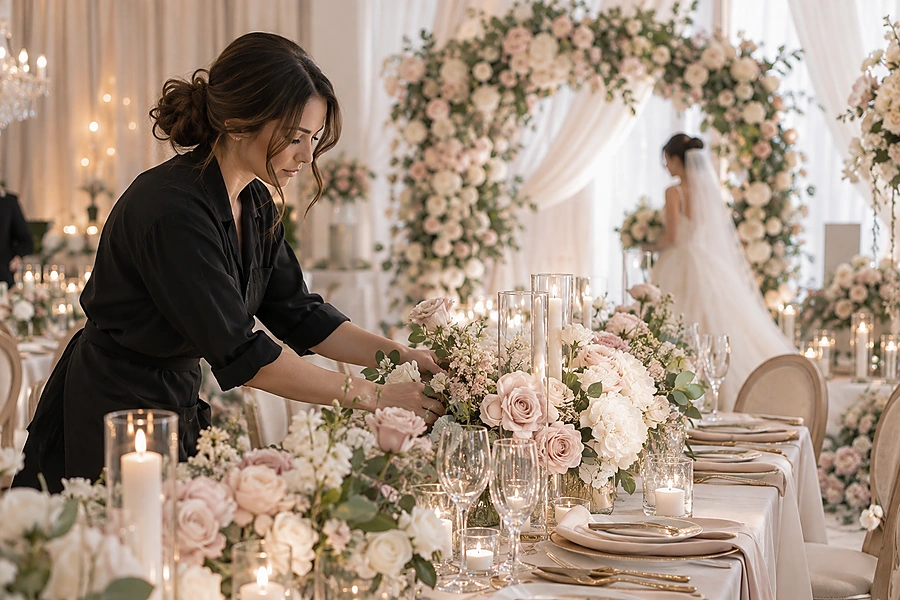
Artificial flowers are used in bridal bouquets, venue arches, table centerpieces, and photo backdrops for weddings. They offer durability, ease of transport, and reusability, making them ideal for destination ceremonies, outdoor setups, and keepsakes. Customizable faux arrangements also eliminate seasonal limitations and prevent wilting even during long celebrations.
Exploring the Versatility and Value of Artificial Flowers in Wedding Décor
Artificial flowers are an increasingly popular choice for weddings due to their versatility, convenience, and ability to match any theme. Here’s how they enhance different parts of the celebration:
1. Multi-Use Applications in Weddings
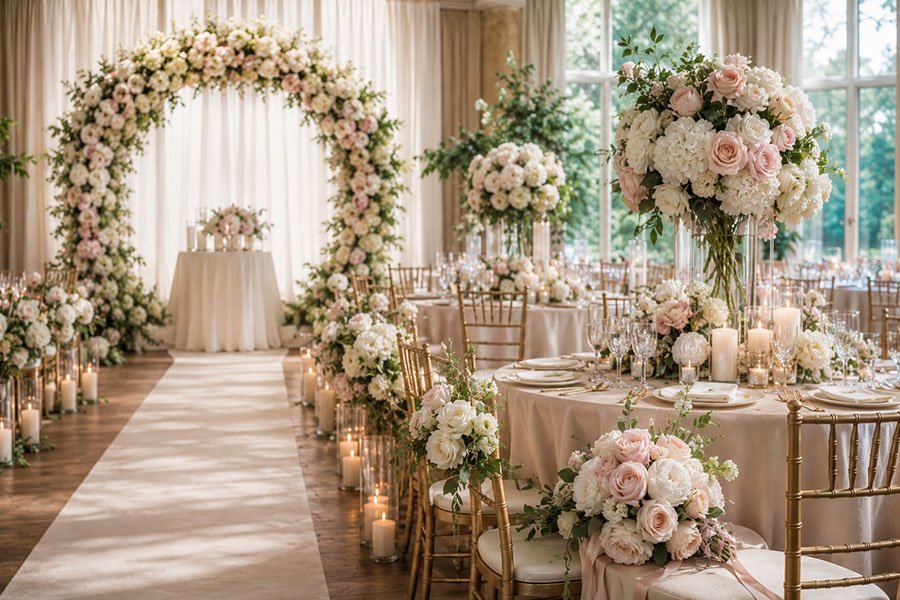
From the bridal bouquet to venue décor, artificial flowers provide long-lasting elegance without worrying about freshness. Their flexibility enables creative displays like floral arches, aisle runners, or intricate photo backdrops, while remaining visually perfect throughout the ceremony and reception.
| Wedding Décor Element | Use of Artificial Flowers | Advantages |
|---|---|---|
| Bridal Bouquets | Durable faux arrangements for the bride and bridesmaids | Long-lasting, reusable as keepsakes |
| Ceremony Arches | Faux floral arches at entrances or altars | Dramatic, weatherproof décor |
| Table Centerpieces | Faux floral designs for dinner tables | Consistent aesthetics, allergy-friendly |
| Photo Backdrops | Flower walls for guest portraits | Instagram-worthy, reusable setups |
| Aisle Decorations | Garlands or faux greenery to line pathways | Cost-effective, easy transport |
2. Why Couples Opt for Faux Flowers
Artificial flowers excel for destination weddings due to their transportability and versatility, allowing venues anywhere to maintain consistent visual themes. For allergy-sensitive guests, faux options are a safer and more inclusive choice. They’re also ideal for couples wanting elaborate installations or year-round blooms without worrying about seasonality or sourcing.
3. Budget-Friendly and Stress-Free
Fresh flowers can be costly, fragile, and temperamental, adding stress to the planning process. Artificial flowers can be prepared months in advance, reused across multiple wedding elements, and still look flawless on the big day. Their durability makes them especially practical for outdoor ceremonies or extended events.
4. Keepsake Value
Faux floral arrangements offer sentimental value that extends beyond the wedding day. Couples can transform bouquets and centerpieces into décor for their home, allowing cherished memories to live on as lasting keepsakes.
The Practical Magic of Artificial Flowers in Wedding Design
1. Fulfilling Aesthetic and Functional Needs
Artificial flowers combine beauty with practicality, adhering to the couple’s chosen color palette without seasonal restrictions. They can also effortlessly match décor themes like rustic, modern, or whimsical, ensuring cohesion from the ceremony to the reception. Their adaptability makes them indispensable for DIY weddings and complex installations like arches.
2. Reducing Stress and Expenses
Fresh flowers demand specialized care, generate recurring costs, and are prone to damage or wilting. Artificial blooms solve all these problems, offering budget predictability and a stress-free planning process. They stay perfectly poised through outdoor ceremonies, long receptions, and even mishaps during transportation.
With endless possibilities for customization and remarkable durability, artificial flowers empower couples to design their dream wedding without compromise—blending aesthetic excellence with practical value for a truly memorable celebration.
Conclusion
Artificial flowers offer practical and beautiful solutions for wedding ceremonies. They address common concerns such as cost, wilting, and allergies effectively. Furthermore, they provide lasting keepsakes that extend the joy of the special day. Thoughtful selection ensures artificial flowers enhance any wedding aesthetic.